Extreme heat shuts down Great American State Fair on National Mall
Extreme heat forced a Friday shutdown of the Great American State Fair on the National Mall, with temperatures near 102 and a heat index above 110.

Extreme heat forced organizers to temporarily close the Great American State Fair on the National Mall on Friday, shutting down part of a free America 250 celebration that was drawing families, vendors and performers between the U.S. Capitol and the Washington Monument. The fair was expected to reopen at 5 p.m. after Washington temperatures climbed to around 100 to 102 degrees Fahrenheit and the heat index rose above 110.
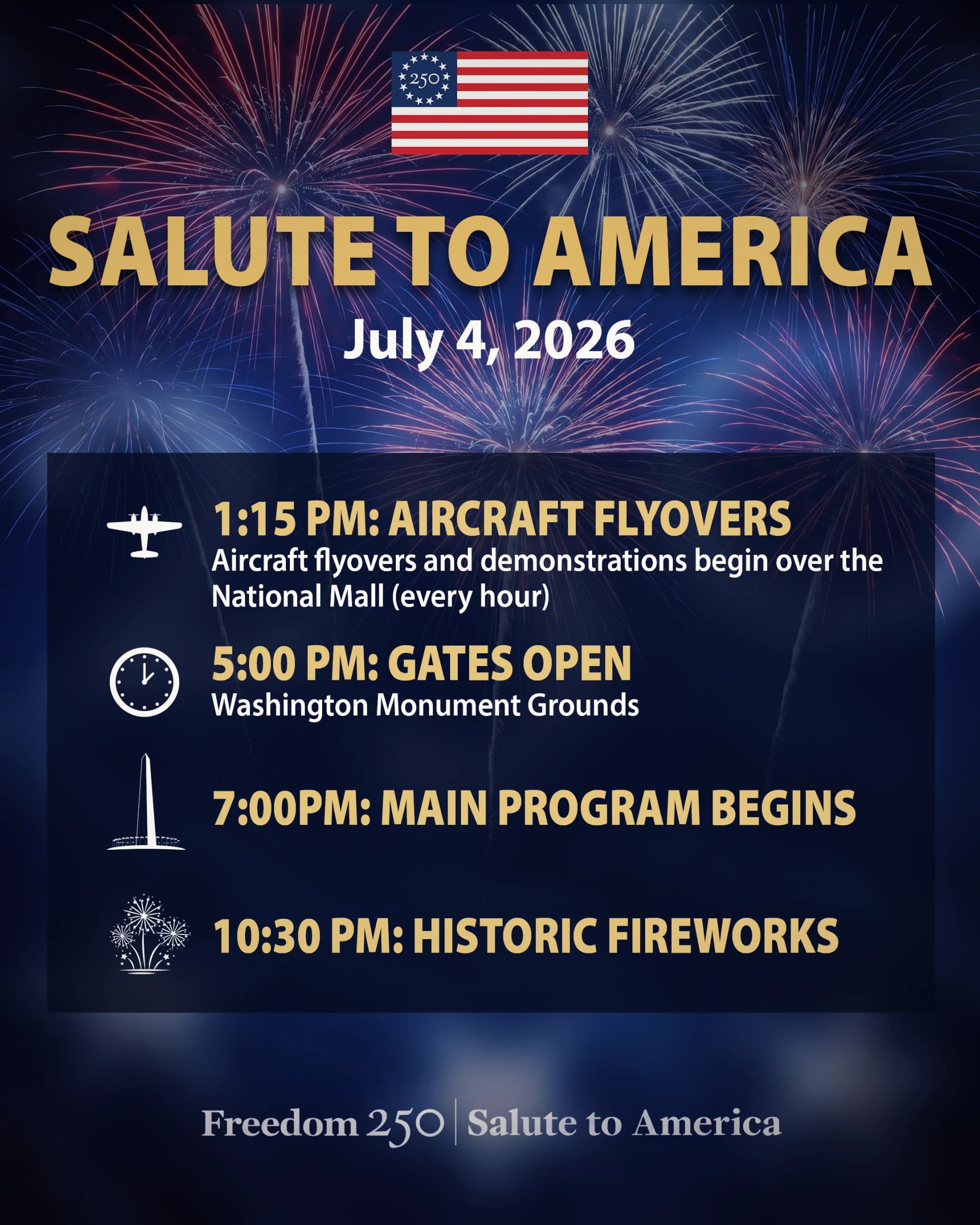
The Great American State Fair is one of Freedom 250’s signature events, a 16-day national exposition running from June 25 through July 10, 2026. Freedom 250 describes it as a modern-day World’s Fair with more than 150 exhibits from all 56 states and territories, along with rides, performances and an iconic Ferris wheel spread across the National Mall.
The National Weather Service had an Extreme Heat Warning in effect for the District of Columbia on July 3 and July 4, and forecasters warned the region could face one of its hottest July Fourth stretches on record. The shutdown made that warning immediate and visible: guests, volunteers, performers, vendors and staff were all pulled back as organizers moved to protect public safety.

The closure came in the middle of a broader heat wave that disrupted other July Fourth and America 250 events around the country, with some celebrations canceled or postponed. The National Mall event had already drawn attention earlier in the week as attendees tried to cope with the heat during the fair’s opening days, underscoring how quickly extreme weather can unsettle even highly choreographed public celebrations.
Organizers said the temporary shutdown was driven by the safety and well-being of everyone working and visiting the fair. The planned reopening at 5 p.m. pointed to a familiar new reality for summer civic gatherings: heat contingencies are no longer a backup plan, but a central part of keeping major public events running.
This article was produced by Prism’s automated news system from verified source data, official records, and press releases, then run through automated quality and moderation checks before publishing. The system is built and supervised by the people who set the standards it runs under. Read our full AI policy.
Did this article answer your question?