Extreme heat strains power grids and slows train services
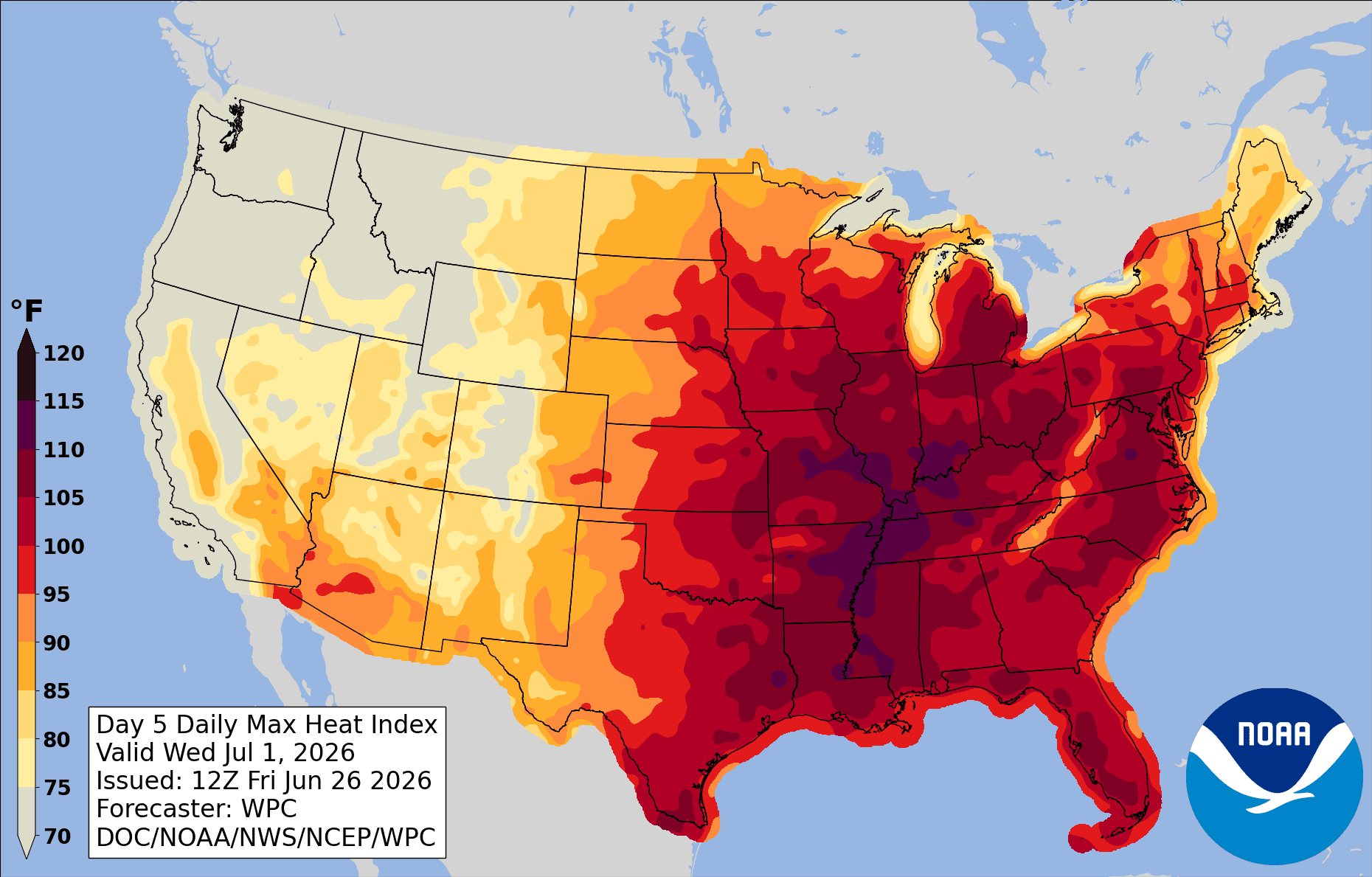
Heat waves pushed PJM and ISO New England to multiyear highs and drove U.S. demand to 745 gigawatthours, exposing grids and rail lines alike.

Electric demand in PJM Interconnection and ISO New England reached multiyear highs on June 23 and June 24, 2025, as a June heat wave pushed the Eastern United States into a familiar stress test. The U.S. Energy Information Administration said the hotter weather lifted power use sharply as air-conditioning loads rose, putting added pressure on equipment built to deliver electricity through hotter-than-normal afternoons.
That strain is no longer limited to one region. The Energy Information Administration said U.S. electricity demand in the Lower 48 states peaked at about 745 gigawatthours at 6 p.m. EDT on July 15, 2024, a level that underscored how quickly broad heat waves can push the system toward its limit. In Texas, the agency also recorded record-breaking electricity demand during the late June and July 2022 heat wave, another sign that extreme heat is now testing the grid repeatedly, not occasionally.
The North American Electric Reliability Corporation warned in its 2025 Summer Reliability Assessment that wide-area heat waves and abnormal weather conditions carried an elevated risk of supply shortfalls. It also forecast that aggregated peak demand across its 23 assessment areas would rise by 10 gigawatts in 2025, driven in part by new data centers, electrification and industrial activity. The Department of Energy moved on June 24, 2025, issuing a Section 202(c) emergency order to address potential grid shortfall issues in the Southeast as temperatures climbed and demand surged.

Rail systems are under the same pressure. Amtrak says extreme heat causes rail, bridge and overhead wires to expand, forcing lower train speeds and possible delays. In its July 2025 heat-preparations materials, Amtrak said those heat restrictions are a standard safety practice and that the thresholds vary depending on who owns the tracks. The U.S. Department of Transportation says extreme heat can also deform rail tracks and runways and stress bridge expansion joints, turning a weather event into a transportation reliability problem.
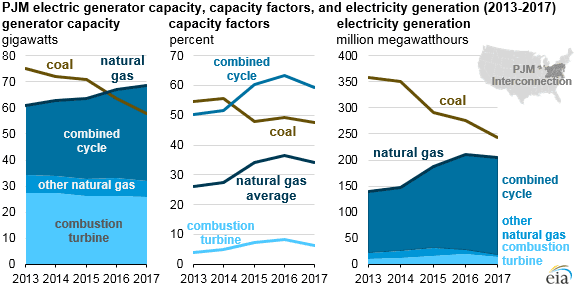
The common thread is infrastructure designed for a cooler climate, then asked to operate through hotter peaks with little margin. Federal agencies have increasingly framed grid modernization and climate resilience as necessary to keep power flowing and trains moving when heat hits hardest.
This article was produced by Prism’s automated news system from verified source data, official records, and press releases, then run through automated quality and moderation checks before publishing. The system is built and supervised by the people who set the standards it runs under. Read our full AI policy.
Did this article answer your question?