Exxon Says Ready to Assess Return to Venezuela Oil Operations
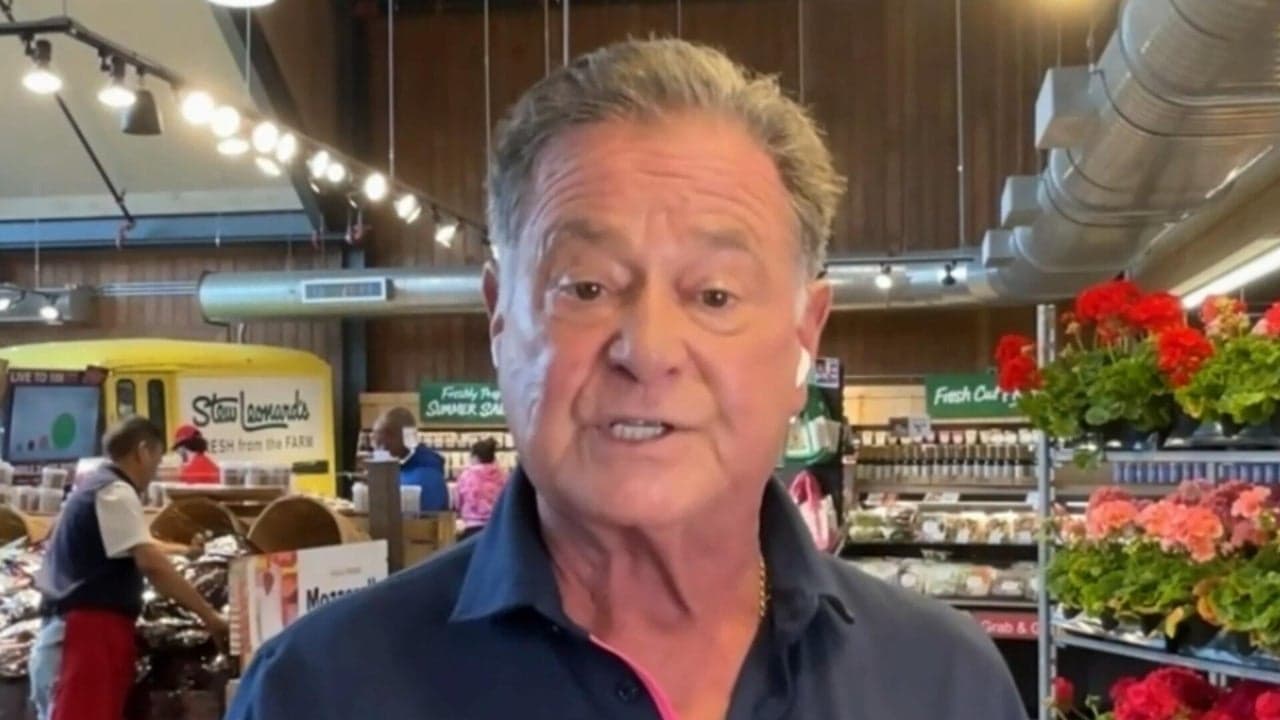
Exxon Mobil’s CEO Darren Woods told reporters after a White House meeting that the company could “hit the ground running” to evaluate returning to Venezuela and that it was “absolutely critical” to send a technical team to assess the state of the country’s oil industry. The announcement raises the prospect of U.S. firms reengaging with one of the world’s largest oil reserves, but legal seizures, security shortfalls and demands for durable investment protections mean any return would be complex and slow.
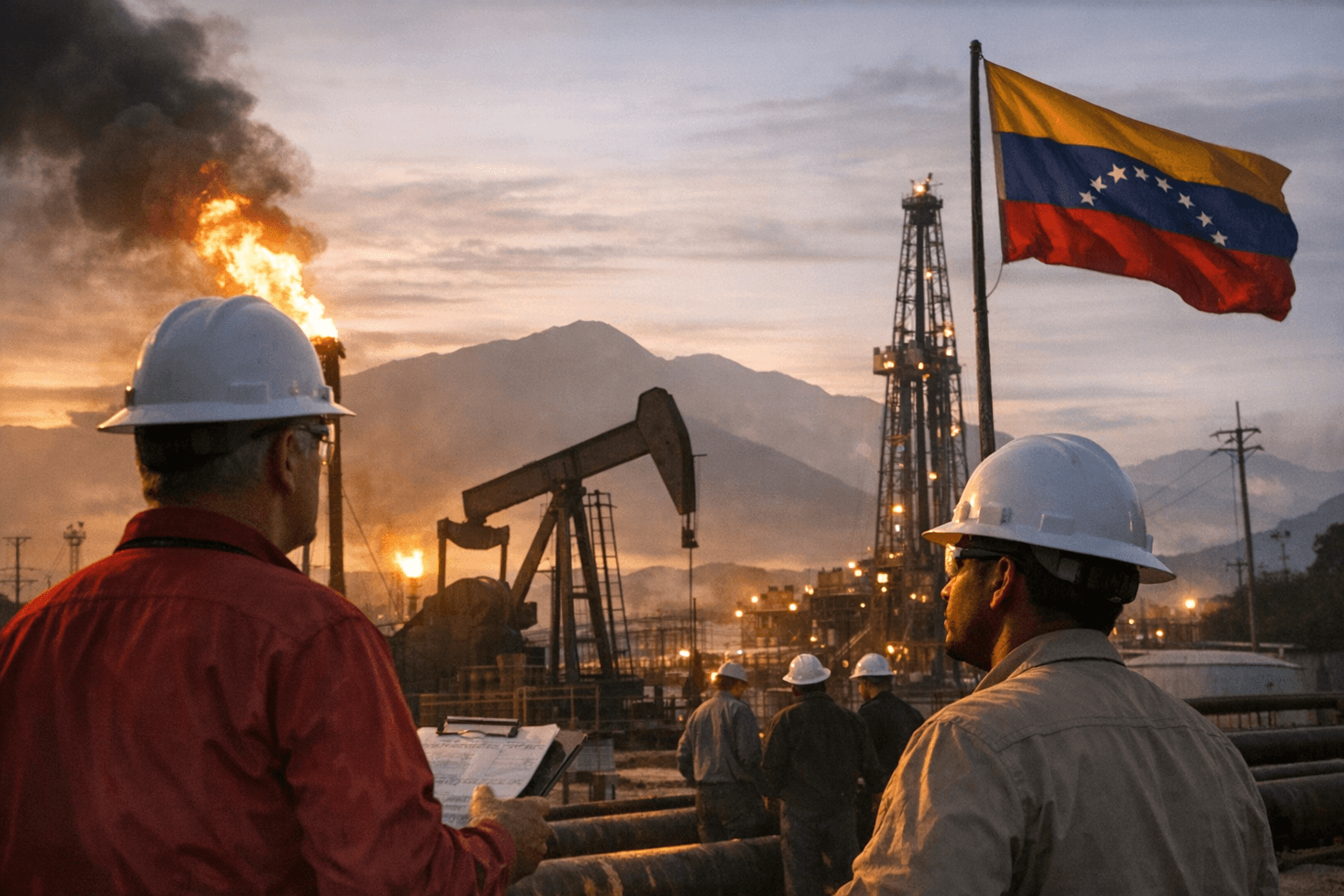
Exxon Mobil signaled a potential pivot back into Venezuela’s oil sector on Jan. 9, 2026, when Chief Executive Darren Woods said the company could “hit the ground running” and described it as “absolutely critical” to deploy a technical team to assess the current state of the industry. His comments followed a White House meeting in which President Trump and senior oil executives discussed the prospects for U.S. industry involvement in Venezuela’s hydrocarbon sector.
Woods warned that Venezuela is “uninvestable” under present conditions unless authorities put in place “durable investment protections” and overhaul commercial and hydrocarbon laws. He reminded listeners that Exxon had assets seized twice in the past, most recently in 2007, and said re-entering a third time would require “pretty significant changes.” Company officials said a technical assessment team could be assembled in the coming weeks to evaluate fields, pipelines and refining capacity on the ground.
The White House session brought senior executives from a range of oil companies, and comments at the meeting underscored both opportunity and caution. Chevron remains the only major U.S. operator with a substantive on-the-ground presence in Venezuela, with roughly 3,000 employees and a share that accounts for about one-fifth of the country’s current oil output. Repsol indicated it was producing roughly 45,000 barrels per day. Other firms and independent drillers expressed enthusiasm for exploration upside, but also emphasized that large-scale capital deployment would depend on legal certainty and physical security.
President Trump told executives the United States would take control of between 30 billion and 50 billion barrels of Venezuelan oil and said companies would “more than earn their money back” by investing to upgrade infrastructure. He also reportedly told industry leaders they would “start with a ‘clean slate’” and not be reimbursed for past write-offs, a stance that complicates claims from companies that lost assets under prior expropriations. ConocoPhillips, for example, has previously cited write-offs valued at about $12 billion.
Analysts and company officials say multiple constraints make an immediate surge of investment unlikely. Venezuela’s legal framework for hydrocarbons, fiscal terms, and physical security for staff and assets would need overhaul to attract large-scale foreign capital. Without explicit investment guarantees and a predictable tax and royalty regime, companies will not commit tens of billions of dollars to upstream redevelopment or refinery upgrades.
Market implications would be significant if U.S. firms returned at scale. Venezuela holds a vast endowment of heavy crude that could relieve demand for other heavy-sour barrels and influence global crude differentials, but rehabilitating production would require years and large capital outlays. For investors and policymakers, the episode highlights a broader tension in the energy transition era: the lure of high-return conventional oil assets in politically risky jurisdictions versus the need for stable policy frameworks and long-term climate and market planning.
This article was produced by Prism’s automated news system from verified source data, official records, and press releases, then run through automated quality and moderation checks before publishing. The system is built and supervised by the people who set the standards it runs under. Read our full AI policy.
Did this article answer your question?