FAA caps Chicago O'Hare summer flights to curb delays and congestion
The FAA cut O’Hare to 2,708 daily flights, aiming to stop summer delays from spreading through airline networks and pushing fares and connections under pressure.
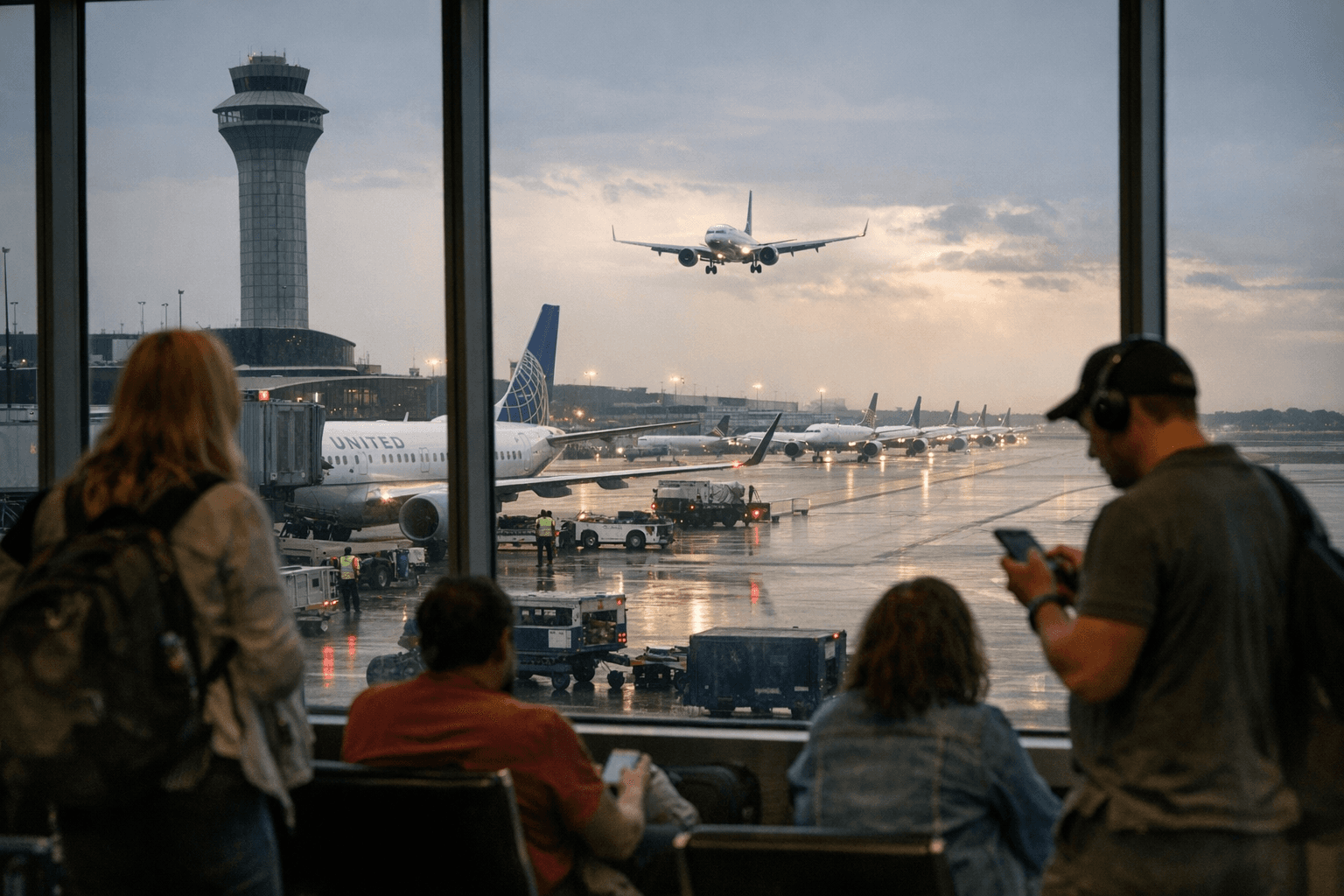
The Federal Aviation Administration moved to hold Chicago O’Hare International Airport to 2,708 daily arrivals and departures this summer, a sharp brake on airline expansion at one of the country’s most important connecting hubs. The cap, in effect from May 17 through October 24, came after carriers had planned about 3,000 flights a day on peak summer dates, a level that officials said would have pushed congestion and delays past last year’s already weak performance.
The limit landed nearly 400 flights below what airlines had scheduled and was the product of weeks of negotiations. Bloomberg reported that the final number split the difference between an FAA proposal for 2,608 daily flights and O’Hare’s request for 2,800. That compromise reflected a simple problem: the airport could not absorb that much growth while it remained clogged by construction, crowded taxiways and a schedule that was already running hot.
Last summer, only about 56% of departures and 58% of arrivals left on time at O’Hare, according to Reuters. At a hub of O’Hare’s size, that kind of unreliability does not stay local. Missed connections can spread into airline networks nationwide, forcing rebookings in Chicago, Denver, Dallas, Atlanta and other hubs that depend on tight banked schedules. For travelers, the cap may mean fewer of the worst bottlenecks. It may also mean fewer seats on some routes and higher fares on busy days, especially as airlines trim schedules to fit the new ceiling.
The fight over the airport also underscored how much of Chicago aviation is concentrated in two carriers. Joe Schwieterman of DePaul University said O’Hare is unusual because United Airlines and American Airlines operate major hubs side by side at the same airport, a setup that makes capacity disputes far more intense. American Airlines CEO Robert Isom blamed United for reckless scheduling, while United CEO Scott Kirby welcomed federal intervention. The FAA’s decision effectively told both carriers that reliability would come before growth.
The move fit a broader spring campaign by the U.S. Department of Transportation and the FAA to protect safety and reliability in a stressed airspace system, including a temporary 10% reduction in flights at 40 high-traffic airports nationwide. The agency has also warned that runway and taxiway construction can create hazards and disrupt air traffic control operations, a warning that rang true at O’Hare as airlines tried to add flights into an airport already stretched by weather, staffing and construction. For summer travelers across the country, the message was clear: regulators were no longer willing to let airlines overschedule past what the system could realistically handle.
This article was produced by Prism’s automated news system from verified source data, official records, and press releases, then run through automated quality and moderation checks before publishing. The system is built and supervised by the people who set the standards it runs under. Read our full AI policy.
Did this article answer your question?

