FAA investigates Marine One safety incident in Washington
The FAA opened a probe after Marine One lifted off from the White House while commercial flights were still moving at Reagan National Airport. The timing raised separation questions.
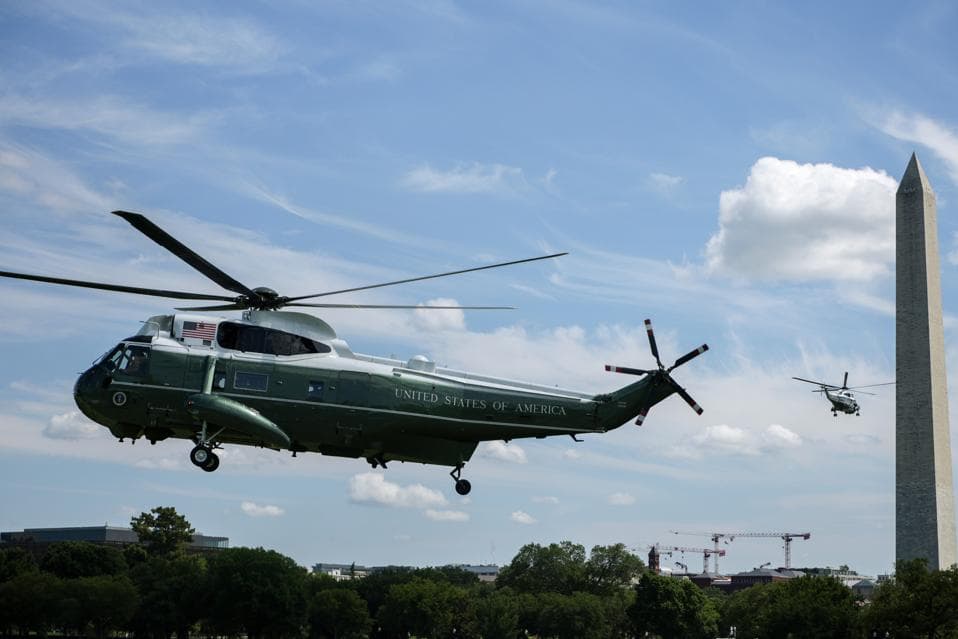
The Federal Aviation Administration opened an investigation after Marine One took off from the White House while commercial traffic was still operating at Reagan National Airport, putting one of Washington’s most tightly controlled air corridors under scrutiny. The incident involved President Donald Trump’s helicopter and unfolded on Aug. 4 in the airspace around the capital.
Marine One is the helicopter used to transport the U.S. president, and that makes even a brief timing error a serious matter when it happens over Washington, D.C. Restrictions in the city’s airspace can shift quickly when the president is moving between the White House, military bases and nearby facilities, and any mistake can ripple through civilian operations at Ronald Reagan Washington National Airport, also known as DCA.
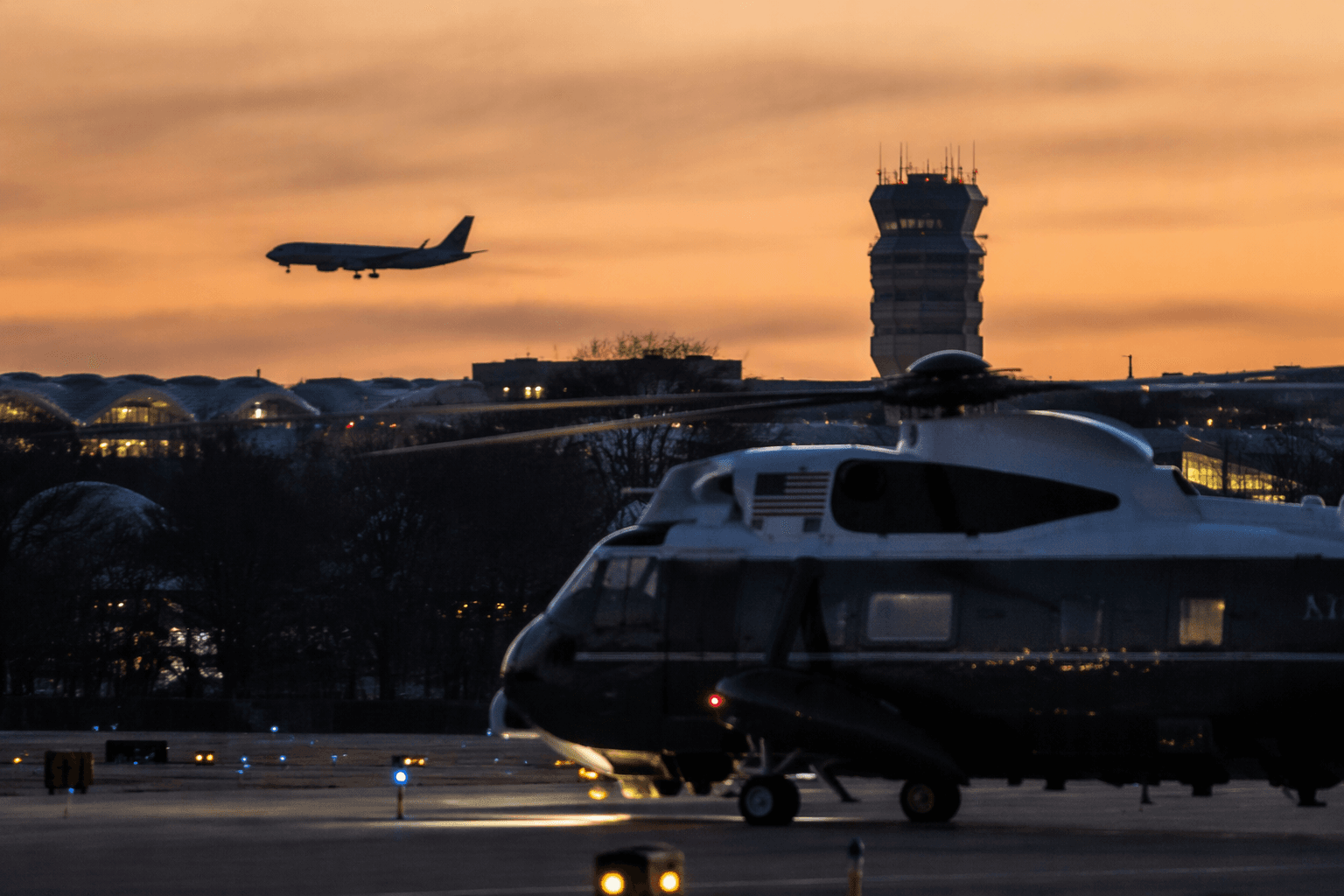
The FAA’s review is centered on coordination and separation procedures, including whether the correct flight paths were followed, whether other aircraft were where they were supposed to be, and whether the handoff among the FAA, the U.S. Secret Service, the U.S. Marine Corps and air-traffic controllers held up under pressure. The key operational question is whether commercial flights had been stopped before Marine One departed, or whether the helicopter launched while civilian traffic was still flowing nearby.
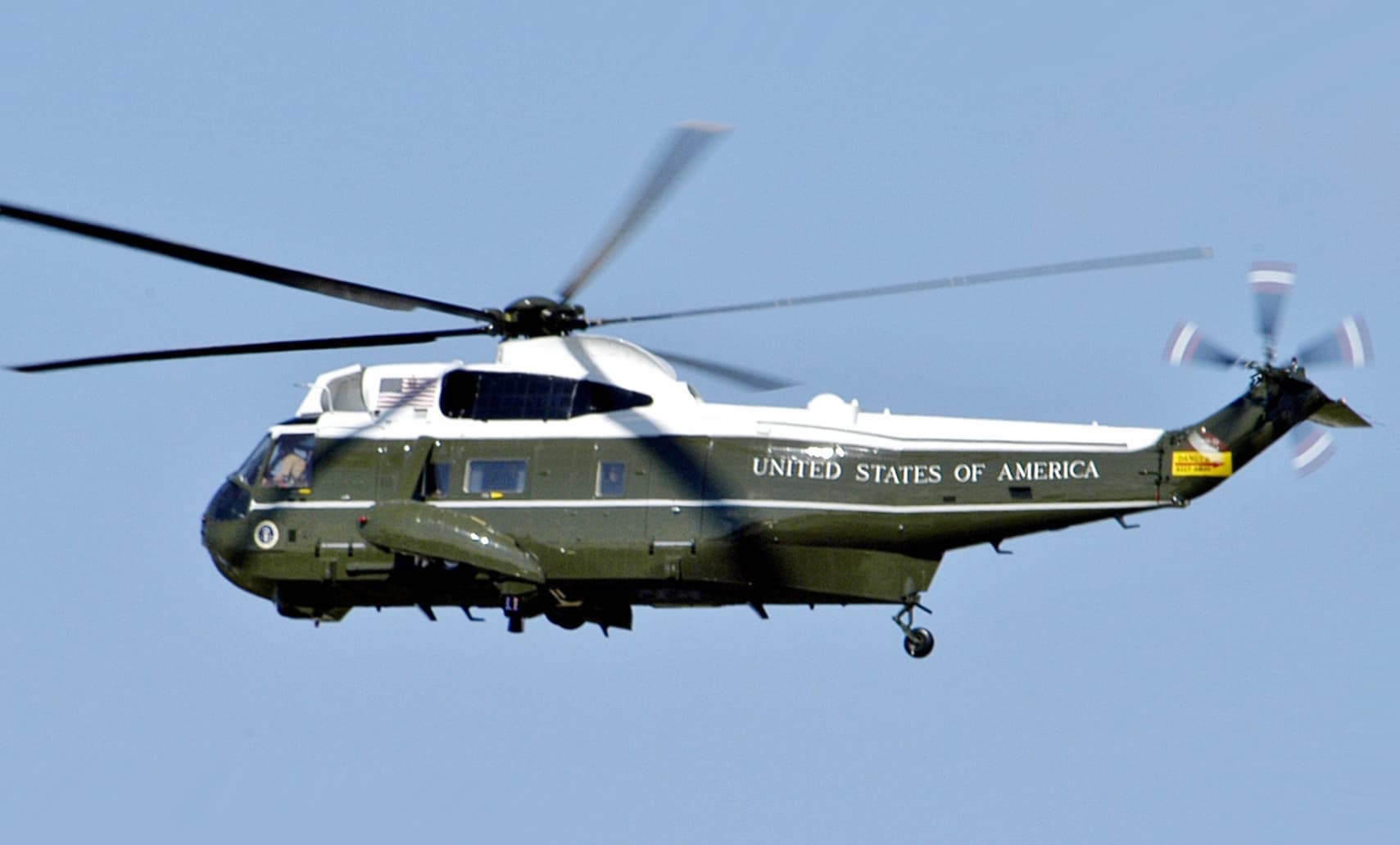
The episode comes as aviation safety and airspace management remain politically sensitive in the United States, especially around Washington airspace, where presidential movements can force rapid changes in routing and traffic control. Depending on what the FAA finds, the case could lead to revised procedures, additional training or a broader review of how Marine One is integrated into the capital’s crowded flight pattern.
This article was produced by Prism’s automated news system from verified source data, official records, and press releases, then run through automated quality and moderation checks before publishing. The system is built and supervised by the people who set the standards it runs under. Read our full AI policy.
Did this article answer your question?