FAA proposes inspections of Boeing 767-300F cargo fittings after supplier certification concerns
The FAA announced a proposed airworthiness directive affecting 43 U.S.-registered 767-300 freighters; inspections or replacements are required amid fears of material defects.
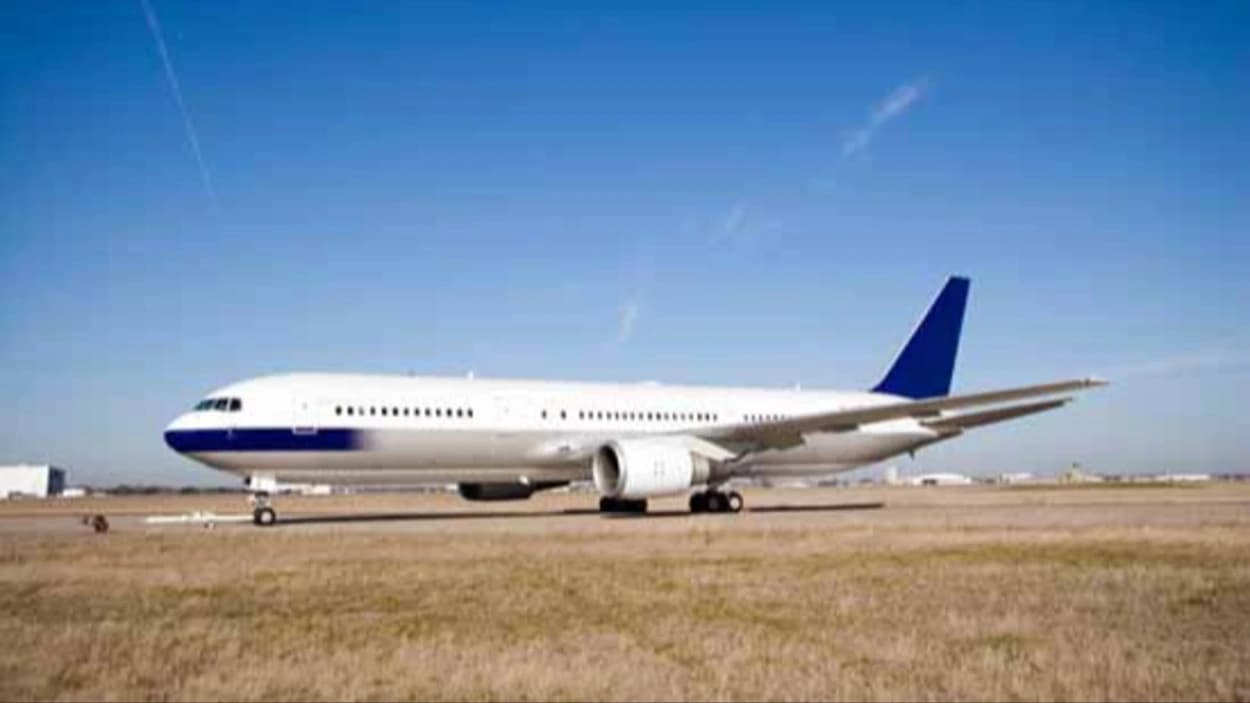
The Federal Aviation Administration has proposed mandatory inspections or replacement of titanium cargo-track crown fittings on Boeing 767-300 freighters after a supplier notice flagged suspect material certifications, aviation outlets reported this week. The notice prompted the FAA to draft a new airworthiness directive that, as reported, would apply to 43 U.S.-registered 767-300F freighters and opens a public comment window through April 3, 2026.
Regulators say parts made from unapproved or non-conforming materials could be vulnerable to fatigue cracking or sudden failure under the high stresses of takeoff and landing. If a crown fitting were to break, cargo could shift uncontrollably in flight, damage critical systems in the cargo compartment and alter the aircraft’s center of gravity, eroding the crew’s ability to control the airplane, according to the technical risk assessment described in coverage by Aviation News and GlobalAir.
The problem was uncovered when the FAA received what GlobalAir described as a supplier notice of escapement with suspect material certifications. The agency’s proposed directive would force operators to either verify the material and authenticity of crown fittings through inspection or to replace all crown fittings with new, verified parts. Aviation News said inspections are intended to confirm component authenticity and strength within a strict timeline, though the published summaries did not include specific compliance windows.
The action follows a string of supplier-quality issues that have affected the 767 program. Separately, a prior FAA airworthiness directive finalised in January 2025 addressed potential heat damage to main landing gear outer cylinders caused by improper grinding during maintenance; that rule applied to 574 U.S.-registered 767s and required inspections and replacements on varying timelines. As FlightGlobal reported on that earlier action, “A grinder was used outside of its input parameters, resulting in possible heat damage to the outer cylinder of the [main landing gear].”

Industry reporting also highlights another supplier mistake that has delayed deliveries. The Seattle Times reported that some center fuel tanks for new 767 freighters and 767-based KC-46 refueling tankers were shipped without properly cleaned interiors and without primer-adhesion testing. Boeing mechanics have had to defuel tanks, inspect and re-prime interiors, a meticulous fix that has held up deliveries of freighters and tankers so far this year.
A separate element in some headlines, that UPS has grounded 24 aircraft, was not substantiated by operational details or an airline statement in the coverage reviewed. The published reports did not specify whether any groundings were tied to the FAA proposal, which supplier supplied the suspect fittings, or whether any in-service incidents have been linked to the parts.
The FAA’s formal notice, which is expected to include the full applicability language, compliance timeline and cost estimates, will be posted in the agency docket while the public comment period remains open through April 3. Operators of the 767-300F fleet, logistics carriers and maintenance shops will be watching for the final scope and for guidance on parts traceability and replacement logistics, since inspections or fleetwide part swaps could affect cargo schedules and maintenance workloads.
This article was produced by Prism’s automated news system from verified source data, official records, and press releases, then run through automated quality and moderation checks before publishing. The system is built and supervised by the people who set the standards it runs under. Read our full AI policy.
Did this article answer your question?

