FAA vows $6 billion push to modernize air traffic telecom and radar
The Federal Aviation Administration told lawmakers it will commit roughly $6 billion this year to replace aging telecommunications and radar infrastructure, accelerating a program the agency now aims to complete by the end of 2028. The compressed timetable shortens a previously outlined 15 year rollout, raising questions about funding, procurement and congressional oversight as officials move to harden fragile points in the National Airspace System.
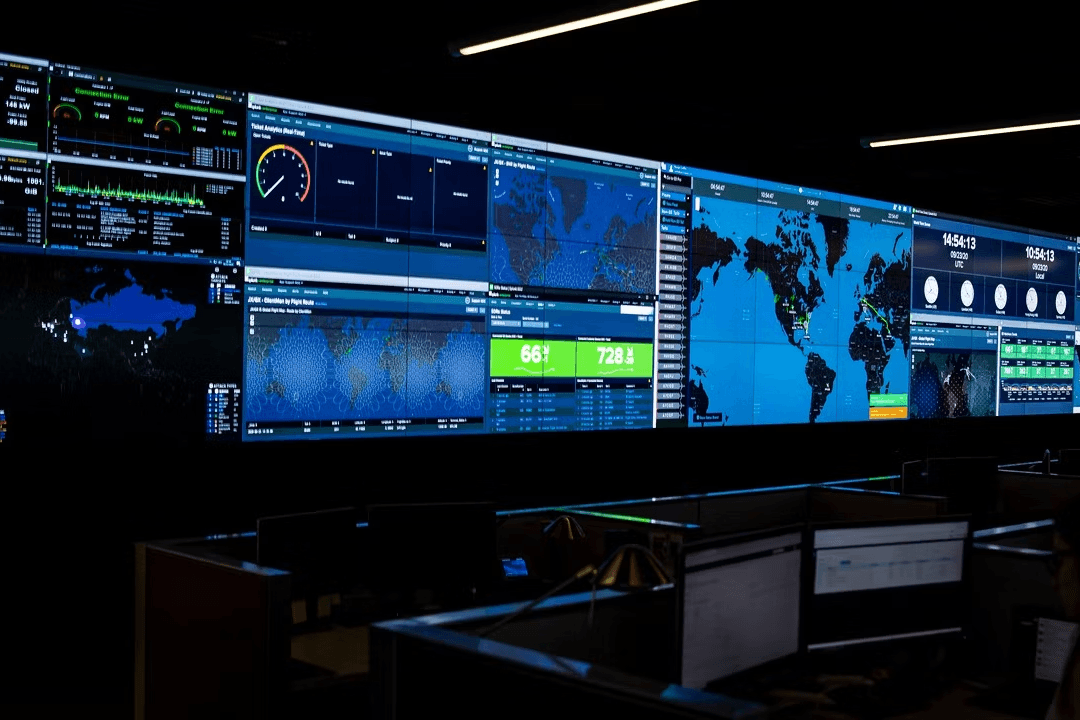
On December 16, Federal Aviation Administration Administrator Bryan Bedford told a U.S. House aviation subcommittee the agency would commit roughly $6 billion by the end of this year to begin an accelerated replacement of core telecommunications and radar systems across the National Airspace System. The FAA said the work is intended to compress what had been a 15 year modernization timeline into a concentrated program to be delivered by the end of 2028.
Bedford outlined an initial scope that includes rapid replacement of legacy telecom networks currently using copper, upgrades to surveillance radars and radar displays, and hardware and software refreshes to phase out fragile legacy systems. The agency said it will also begin building a new digital command center to better coordinate control center operations and to harden critical communications backbones by transitioning lines to modern fiber.
The FAA characterized the current airspace ecosystem as "safe, but old" and argued that a string of outages and operational disruptions this year justified the expedited schedule. In April and May communications outages at a control center that manages arrivals and departures for Newark Liberty International Airport briefly put radar displays offline and forced the FAA to slow arrival and departure rates. Agency officials have cited those incidents and other operational vulnerabilities as a principal driver for compressing procurement and deployment timelines.
Earlier this month the U.S. selected contractor Peraton as project lead for the next generation air traffic control system under a multi billion dollar contract, a decision the FAA said will sit alongside the accelerated capital work funded this fiscal year. The Peraton selection and the $6 billion initial commitment together aim to provide immediate momentum for large scale replacement and system hardening.

Congress provided $12.5 billion for air traffic modernization in June. Administration officials are seeking additional funding to finish the program, and Transportation Secretary Sean Duffy has estimated total overhaul costs at about $31.5 billion. That estimate implies roughly $19 billion in further appropriations would be needed to meet the FAA deployment goals, but full cost and final funding remain subject to congressional action and departmental budgeting.
At the hearing Bedford defended operational choices the agency made during a prolonged government shutdown, including required flight cuts, and pledged to ensure safe air traffic operations in the Washington area amid legislative proposals that could expand military helicopter flights. The House aviation subcommittee said it will continue oversight of the expedited plan as the FAA moves to phase out legacy systems and to operationalize programs developed under the NextGen initiative.
The accelerated timetable presents both opportunity and risk. Compressed procurement and installation schedules could reduce exposure to continued outages and improve runway safety and airport surveillance, but they also concentrate programmatic, technical and fiscal challenges into a narrow window. Lawmakers and industry stakeholders will face pressure in coming months to align appropriations, contractor performance and operational testing to meet the agency deadline.
This article was produced by Prism’s automated news system from verified source data, official records, and press releases, then run through automated quality and moderation checks before publishing. The system is built and supervised by the people who set the standards it runs under. Read our full AI policy.
Did this article answer your question?