Falling enrollment forces public schools to confront closures, budget strain
Empty classrooms are turning into budget traps, pushing districts toward closures, staff cuts and lost programs as enrollment keeps shrinking.
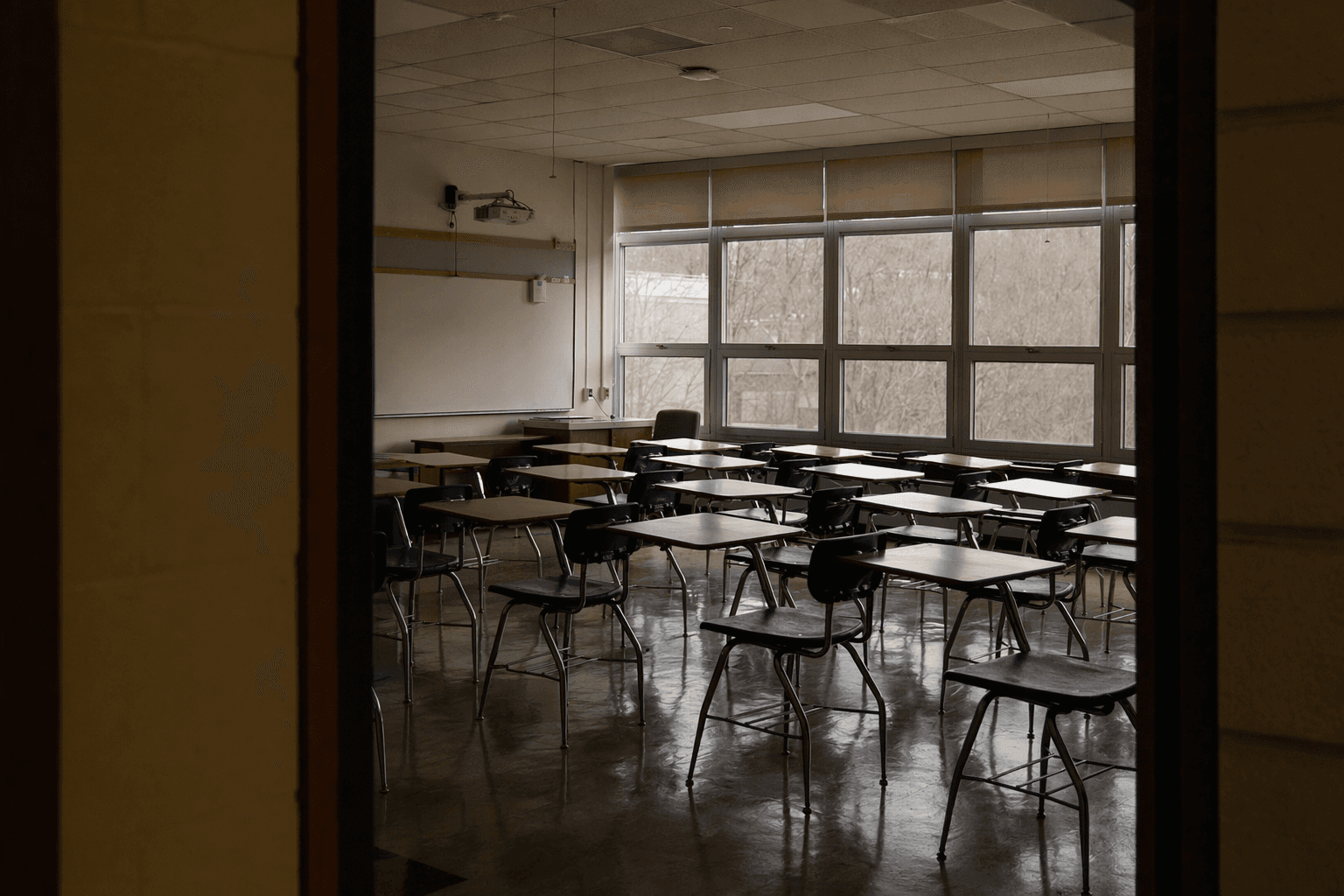
Empty classrooms are becoming one of public education’s most expensive problems. As student counts fall, districts are being pushed toward politically fraught decisions on which neighborhood schools to close, which staff positions to cut and which programs to shrink.
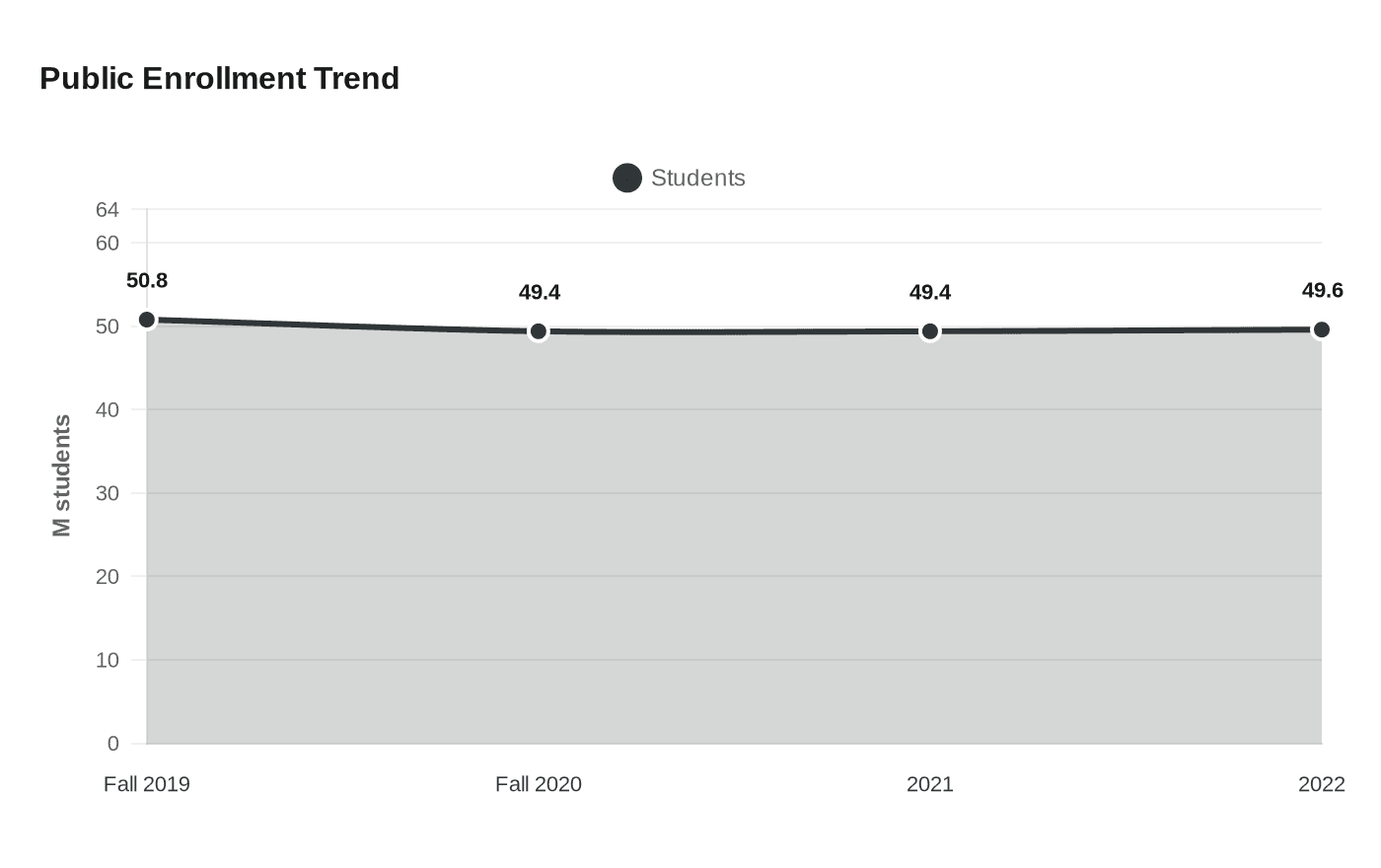
National public school enrollment dropped from 50.8 million students in fall 2019 to 49.4 million in fall 2020 and stayed there in 2021 before edging up to 49.6 million in 2022. The National Center for Education Statistics said the pandemic produced a historic 2.7% decline in public school enrollment in fall 2020, and its projections point to about 2.7 million fewer public school students by 2031-32.
That matters because most states tie school funding to student counts. When enrollment falls, revenue can follow, leaving districts with less money for teachers, class offerings, extracurriculars and building upkeep. Half-empty schools are also costly to operate, with fixed expenses that do not disappear just because the classrooms are no longer full. Some researchers note that districts can temporarily end up with more money per remaining student because funding formulas do not always fall as quickly as enrollment, but that cushion does not remove the pressure to consolidate buildings and reduce overhead.
School closures are already part of the response. NCES says 755 public elementary and secondary schools closed in 2021-22, down from 1,741 in 2010-11. Those schools had a prior-year enrollment of 167,575 students. Across the country, that has put communities in the familiar position of defending a local school as district leaders argue they are trying to avoid deeper financial strain. Closures can mean longer commutes, disrupted routines and the loss of a neighborhood institution, and parent resistance is often strongest where closures would hit historically underserved neighborhoods.
The demographic backdrop suggests the pressure is not going away. CDC data show the U.S. fertility rate fell again in 2024 to 53.8 births per 1,000 women ages 15 to 44, even as total births rose slightly to 3,628,934, up 1% from 2023. That combination still points to a weak pipeline of future students. Since the pandemic, many children also appear to have left public schools for homeschooling or private schools, deepening the enrollment slump in many districts.
One multi-state analysis found public school enrollment fell by about 700,000 students across 21 states between the 2019-20 and 2021-22 school years. Another estimated that roughly 50,000 students were still missing from any kind of school in fall 2022 across 22 states plus Washington, D.C. The districts that adjust early can merge campuses and reset staffing before deficits widen. The ones that wait risk sliding into a fiscal trap built around more seats, fewer students and a shrinking budget base.
This article was produced by Prism’s automated news system from verified source data, official records, and press releases, then run through automated quality and moderation checks before publishing. The system is built and supervised by the people who set the standards it runs under. Read our full AI policy.
Did this article answer your question?