Family sues McDonald’s after drive-thru killing, alleges staff watched footage
Family sues after a woman was killed in a Los Angeles McDonald's drive-thru, alleging employees watched security footage and did not call 911.
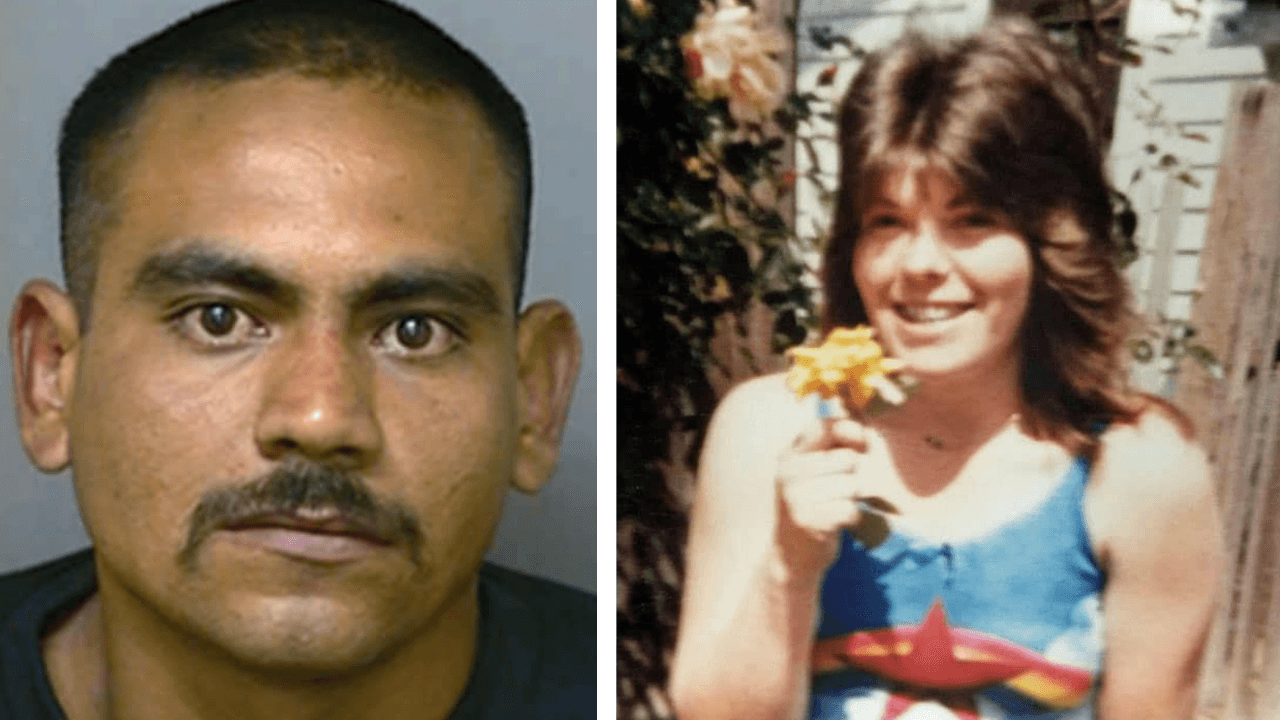
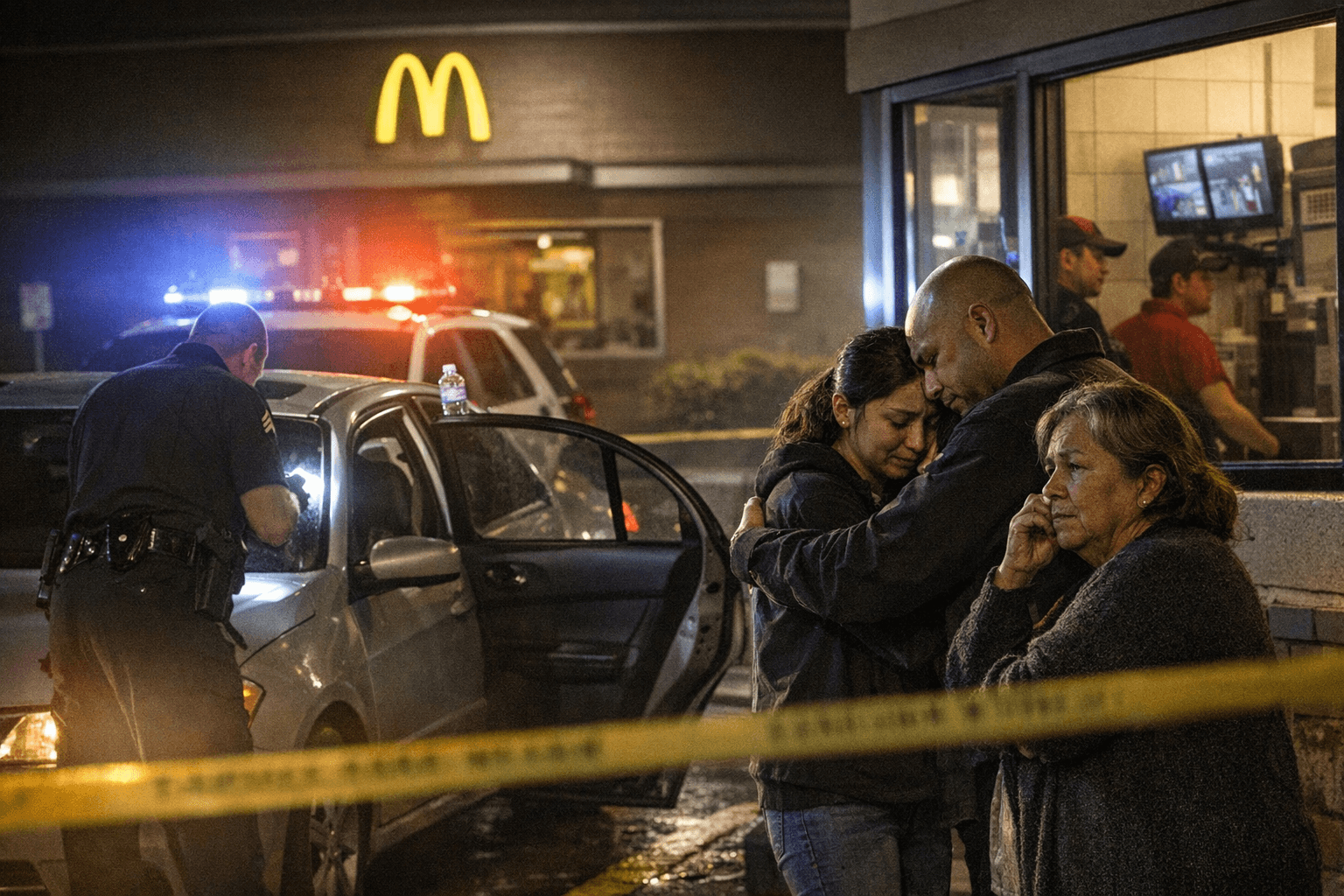
A wrongful-death and negligence lawsuit filed on Jan. 8, 2026 alleges that staff at a Los Angeles McDonald's watched live security footage instead of calling for help as a panhandler attacked customers in a drive-thru lane, leaving Maria Vargas (Luna) fatally injured after the March 9, 2024 incident.
The complaint, brought by Jose Juan Rangel, lists eight causes of action including premises liability, negligent hiring, negligent training and supervision, and wrongful death. It seeks unspecified damages and requests a jury trial. The filing alleges that a known panhandler repeatedly approached cars for about 10 minutes while employees observed the behavior through a window and on live security feeds but did not call 911 or otherwise intervene.
The suit also points to a pattern of law enforcement activity at that location, citing approximately 132 Los Angeles Police Department responses to the site from 2020 through the date of the attack. Those details form part of the plaintiff's argument that the franchise and its management were on notice of dangerous conduct and failed to take reasonable steps to protect patrons and staff.
The franchise owner issued a statement expressing sympathy for the family but said it disagrees with the claims and will respond through litigation channels. The complaint targets the franchisee and raises questions about operational responsibilities at the store level, including how surveillance systems are used and what emergency-response protocols are in place for crew members on duty.
For McDonald's workers and franchise staff, the case underscores tensions that can arise between routine service work and responsibility for customer safety. Drive-thru crews often operate with limited staffing and strict speed and accuracy targets, which can complicate decision-making in volatile situations. If the allegations are proven, the lawsuit could prompt franchisees and corporate leaders to reassess training on emergency intervention, communication with law enforcement, and the use of security footage as a tool for prevention rather than mere documentation.
Legal exposure for franchise owners can also translate into changes in store-level policy, higher liability insurance costs, and renewed attention to how employees are instructed to handle panhandlers, loitering and aggressive behavior. For frontline workers, the case raises practical concerns about personal safety, expectations from management, and whether current protocols adequately protect crew members and customers.
The litigation will proceed through the courts, and its outcome could shape industry practices around surveillance, staff training and drive-thru safety. In the meantime, workers and managers should review emergency procedures and ensure staff know when and how to contact law enforcement and escalate suspicious or threatening behavior.
Sources:
Know something we missed? Have a correction or additional information?
Submit a Tip