FanDuel Regional Sports Networks to Shut Down, Freeing Rights for 20 Teams
Main Street Sports Group confirmed it will shut down FanDuel's RSNs at season's end, stranding local TV rights for 13 NBA franchises and seven NHL teams simultaneously.

Main Street Sports Group, the operator of the FanDuel-branded regional sports networks, confirmed to the NBA, NHL, and their affected franchises that it will cease operations at the close of the current seasons unless a last-minute buyer or strategic partner emerges. The move simultaneously strips local broadcast rights from 13 NBA clubs and seven NHL teams, forcing both leagues to find new distribution solutions before the 2026-27 season opens.
The company, which has not made rights-fee payments to teams at any point this season, confirmed the situation in a statement: "FanDuel Sports Network has reached agreements with the NBA and NHL to broadcast games and other programming through the end of the 2026 NBA regular season and the end of the first round of the NHL playoffs. We are preparing to wind down our operations upon seasons' end unless we reach a strategic transaction."
Among the NBA franchises losing their local broadcast home are the Atlanta Hawks, Indiana Pacers, Miami Heat, Oklahoma City Thunder, Cleveland Cavaliers, Detroit Pistons, Minnesota Timberwolves, Orlando Magic, Milwaukee Bucks, San Antonio Spurs, LA Clippers, Memphis Grizzlies, and the remaining Los Angeles-area rights held by Main Street. Seven NHL clubs face the same outcome, though first-round playoff games will still air on FanDuel's channels before the shutdown takes effect.
The collapse marks the final chapter in a years-long financial decline. Originally known as Diamond Sports Group, the company took on roughly $9 billion in regional sports network debt in a 2020 transaction, then filed for bankruptcy in March 2023. It emerged from that process rebranded as Main Street Sports Group, with FanDuel attached commercially, but the restructuring never secured the stable capital it required. Missed payments and failed rescue bids followed.
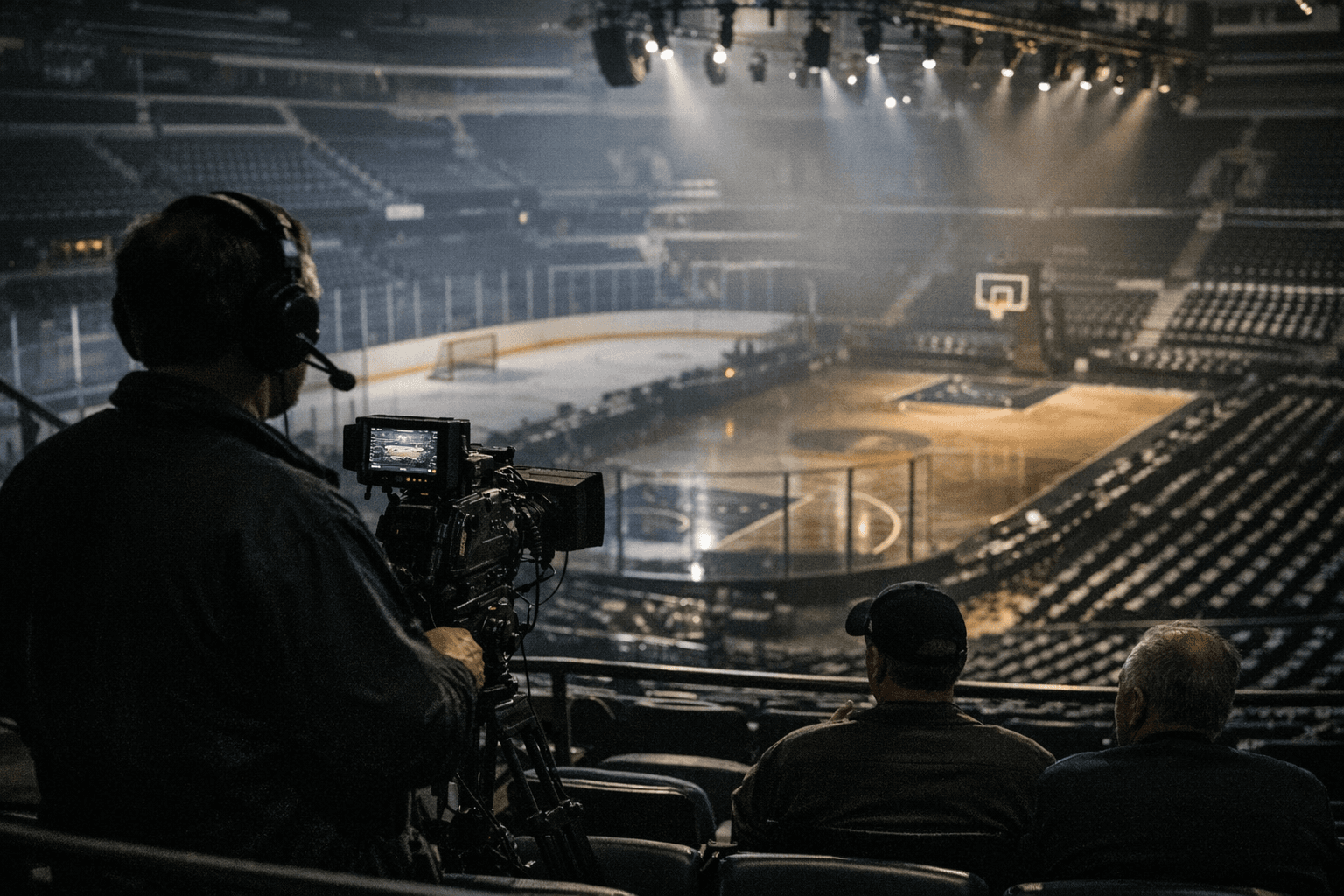
MLB teams had already exited their Main Street contracts earlier this spring. At its peak, the company's footprint covered 29 teams across all three major leagues. That full-scale collapse reflects the broader erosion of the RSN business model: cord-cutting has steadily hollowed out cable subscriber rolls while heavy rights fees and fixed operating costs have remained, producing a financial equation that no longer works.
Teams are expected to be reimbursed in part for the missed fee payments, though the revenue shortfall is immediate and real. The more pressing question is what replaces FanDuel Sports Network on the local level. Analysts expect franchises to pursue one-year interim deals with regional broadcasters or streaming platforms while leagues evaluate more centralized local-rights distribution as a stopgap. Longer-term, the disruption accelerates a push toward streaming-first or league-controlled local broadcast models that the industry has been inching toward for years.
Whether a buyer materializes in the coming weeks to absorb Main Street's assets, or the company's operations simply dissolve, will determine just how fractured local sports television becomes heading into next season.
This article was produced by Prism’s automated news system from verified source data, official records, and press releases, then run through automated quality and moderation checks before publishing. The system is built and supervised by the people who set the standards it runs under. Read our full AI policy.
Did this article answer your question?
.jpg&w=1920&q=75)