Fans pack North American cities for World Cup 2026 festivities
Fans from Spain, Austria and Algeria filled Los Angeles, Toronto and Vancouver as North America's first 48-team World Cup turned city streets into civic stages.
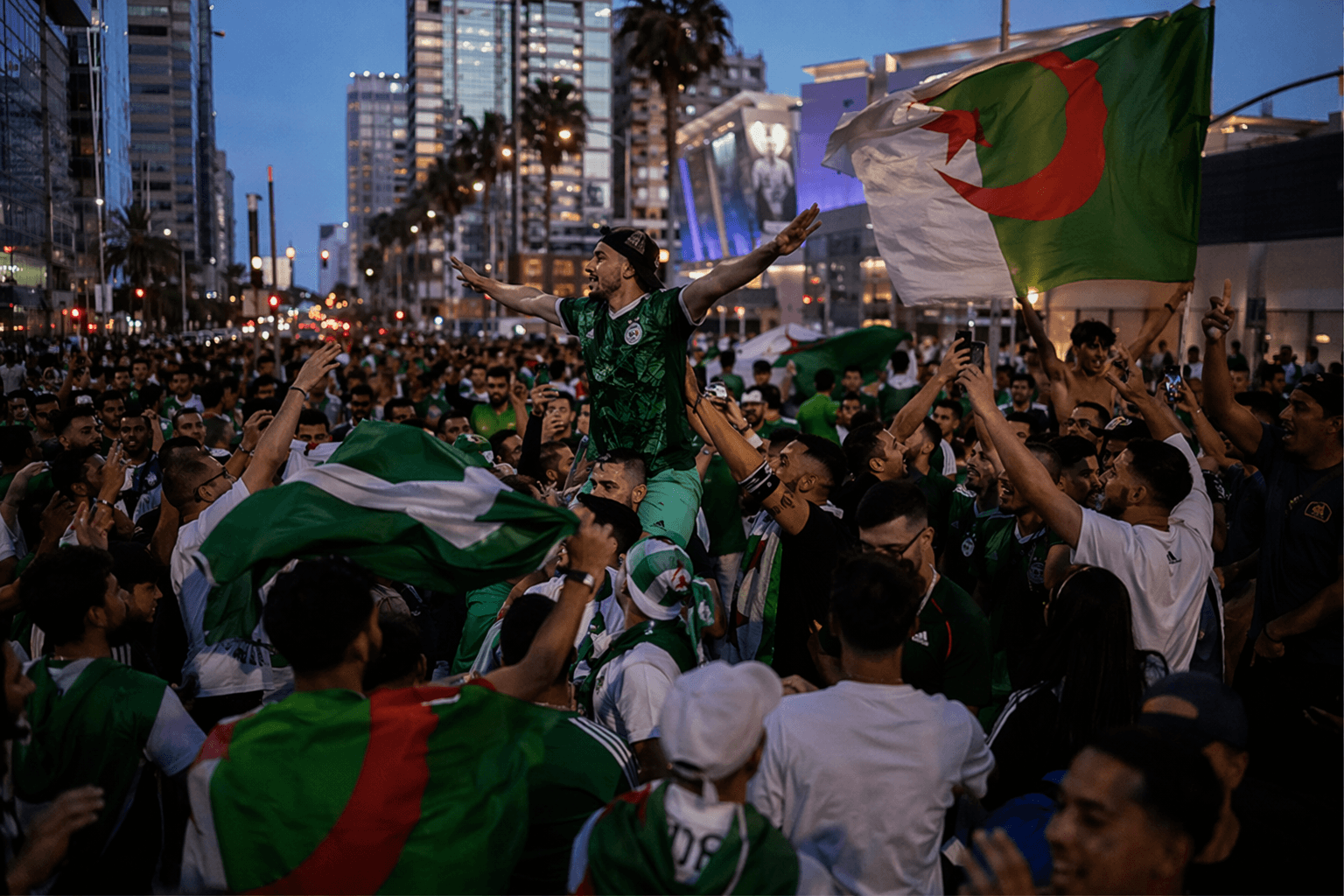
Fans from Spain, Austria, Portugal, Croatia, Switzerland and Algeria turned Los Angeles, Toronto and Vancouver into shared World Cup gathering points, with flags, chants and family crowds giving the tournament a distinctly North American scale. The 2026 World Cup is the first with 48 teams and three host countries, Canada, Mexico and the United States, and it runs across 104 matches from the opening game on June 11 to the final on July 19. FIFA confirmed 1,248 players from 48 nations on the final rosters.
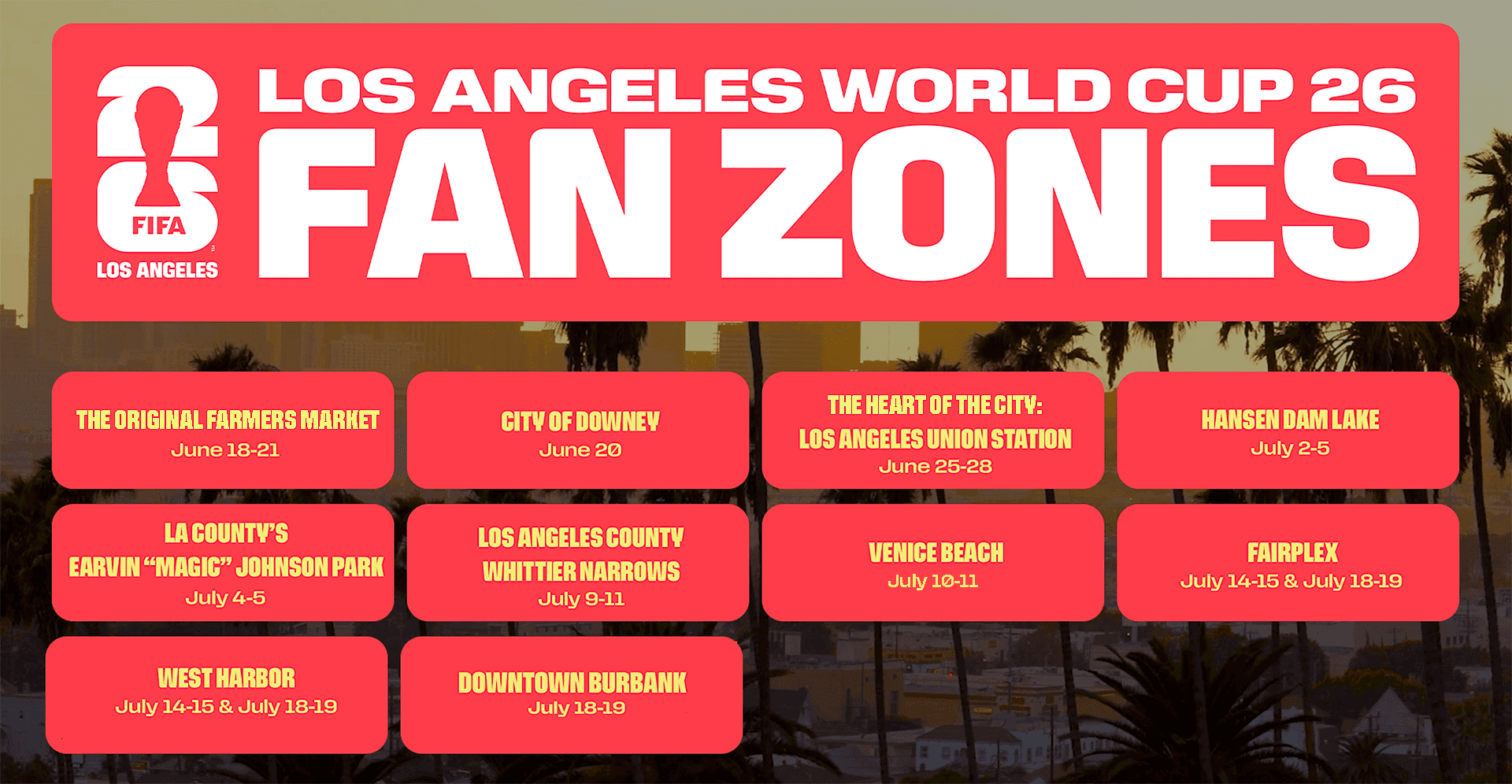
Los Angeles has been one of the clearest examples of how the event is being staged as a cross-border civic spectacle. The city is hosting eight matches at Los Angeles Stadium, including the United States against Paraguay on June 13, along with games involving Switzerland, Iran, Belgium and other teams. That match calendar has pushed the World Cup well beyond a single stadium experience and into a wider city moment, with international supporters mixing across neighborhoods and public viewing areas.
Toronto built its fan plan around scale and density. The city is hosting six World Cup matches and a 22-day FIFA Fan Festival at Fort York National Historic Site and The Bentway, where organizers planned to show 46 matches, operate roughly 30 food vendors and bring in live music. City officials estimated the tournament could attract about 300,000 visitors and add 10% to 15% more vehicles on the main downtown routes, a warning that underscored how deeply the event will test movement, congestion and public space in the core.
Vancouver opened its first match, Australia against Turkey, on June 13 at 9 p.m., and the city is scheduled to host seven matches overall. To handle the crowd, officials created a five-block pedestrian zone on Granville Street through the end of July, added temporary closures on Pacific Boulevard and put two temporary bus routes in place to help people reach the stadium and fan areas. The changes turned a busy downtown corridor into a managed festival zone, with transit and foot traffic taking priority over normal street patterns.

FIFA has described the tournament as its biggest and most geographically expansive World Cup ever, and the scenes in Los Angeles, Toronto and Vancouver show why. The event is operating not just as a sports competition, but as a coordinated test of stadium access, transit, multicultural turnout and public hospitality across a continent-wide host region.
This article was produced by Prism’s automated news system from verified source data, official records, and press releases, then run through automated quality and moderation checks before publishing. The system is built and supervised by the people who set the standards it runs under. Read our full AI policy.
Did this article answer your question?