Far-right extremists exploit disaster zones to recruit and spread fear
Extremists have used disaster relief to look like saviors, recruit followers and seed anti-government distrust from Katrina to Helene.
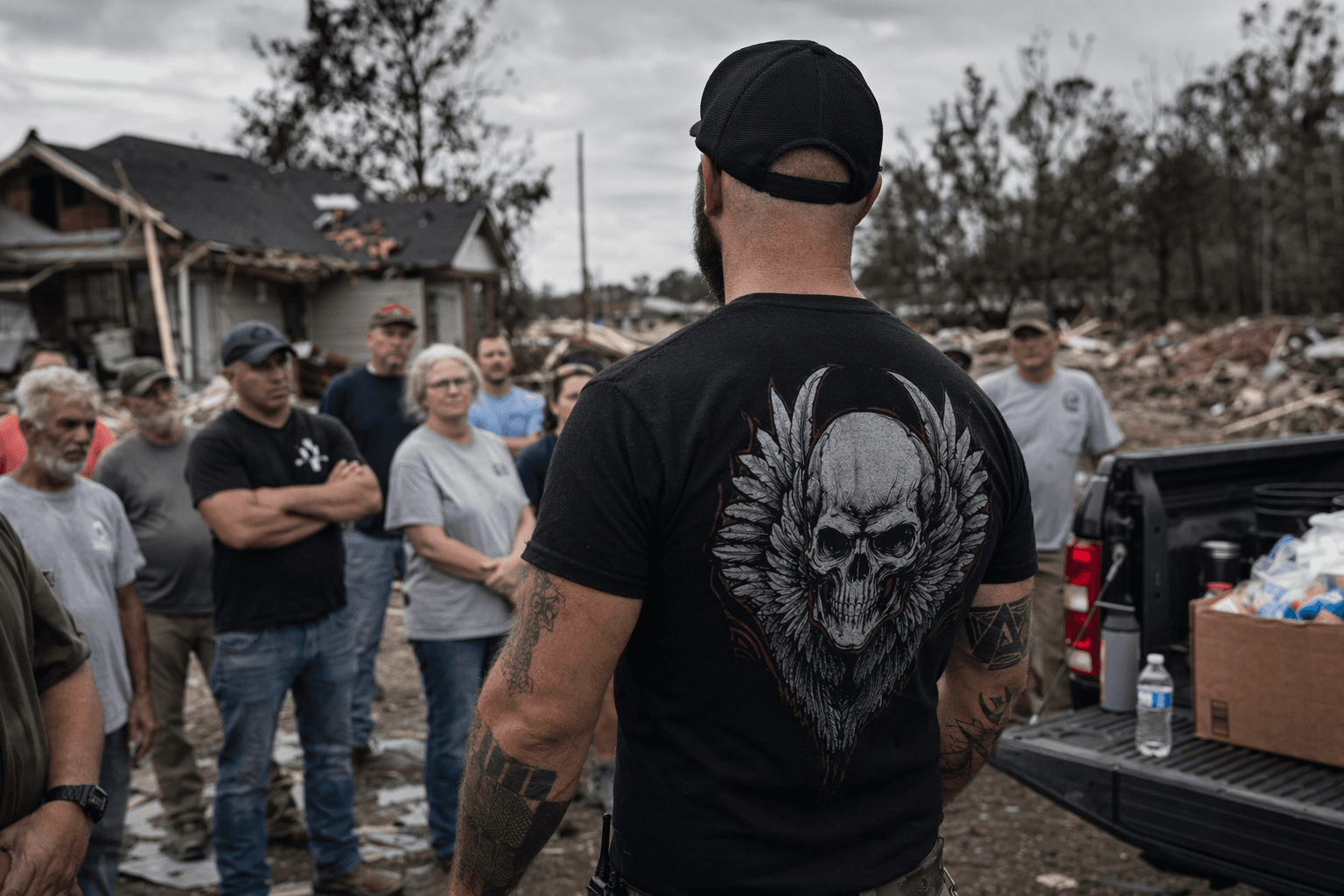
In the aftermath of hurricanes and other disasters, far-right extremists have repeatedly used relief work as a foot in the door, a tactic critics call “disaster tourists.” By arriving with supplies, labor or a show of concern, conspiracists, militias and white supremacist groups can present themselves as helpers while spreading fear, gaining followers and weakening trust in government.
CBS News will examine that pattern on 60 Minutes Sunday in a segment focused on groups that sweep into hard-hit communities and try to soften their image. The Southern Poverty Law Center says far-right extremists exploit natural disasters to spread conspiracy theories, slow government response and pose as benign community members. The center says the pattern has run from Hurricane Katrina to Hurricane Helene, and that the militia movement shifted after the Jan. 6, 2021, insurrection toward a more local, preparedness-focused structure that makes disaster zones especially useful for recruitment and propaganda.
That shift matters because recovery zones are already fragile. Roads are damaged, communications fail and residents are forced to rely on whoever shows up first with food, equipment or a sympathetic message. The Southern Poverty Law Center says hard-right groups prey on that chaos, while the Anti-Defamation League says extremist organizations have a long tradition of exploiting national tragedies for publicity. The mechanics are consistent: show up early, look useful, borrow the language of service and use the trust built in the first days after a storm to normalize extremist ideas.
Federal agencies draw a bright line between official recovery and opportunistic influence. The Federal Emergency Management Agency directs survivors to formal assistance channels for individuals, government agencies and nonprofit organizations after disasters. The Federal Bureau of Investigation and the Department of Homeland Security classify domestic violent extremism as an ongoing threat and say such actors are often driven by a mix of socio-political goals and personal grievances. Together, those warnings point to the same conclusion: in disaster zones, aid can be weaponized, and the vacuum left by a storm can become an opening for groups that want not just attention, but leverage.
This article was produced by Prism’s automated news system from verified source data, official records, and press releases, then run through automated quality and moderation checks before publishing. The system is built and supervised by the people who set the standards it runs under. Read our full AI policy.
Did this article answer your question?

