Far-right lawyer de la Espriella tops Colombia presidential first round
De la Espriella stunned Colombia by leading the first round with 43.74 percent, turning security fears and anti-establishment anger into a far-right surge.
Abelardo de la Espriella turned Colombia’s presidential race into a hard-right warning shot, winning 43.74 percent of the first-round vote and finishing ahead of Iván Cepeda, who took 40.90 percent. The gap, about 670,000 votes, sent the contest to a runoff on June 21 and jolted pollsters who had expected Cepeda, backed by Gustavo Petro’s political camp, to lead the field.
The result reflected more than a campaign upset. It exposed a country still rattled by political violence, distrust over vote-counting and a deep split over whether Petro’s left-wing agenda should continue. Petro is barred by the constitution from seeking re-election, making the vote a direct test of his project and of the direction Colombia wants to take next. The winner will be inaugurated on August 7.
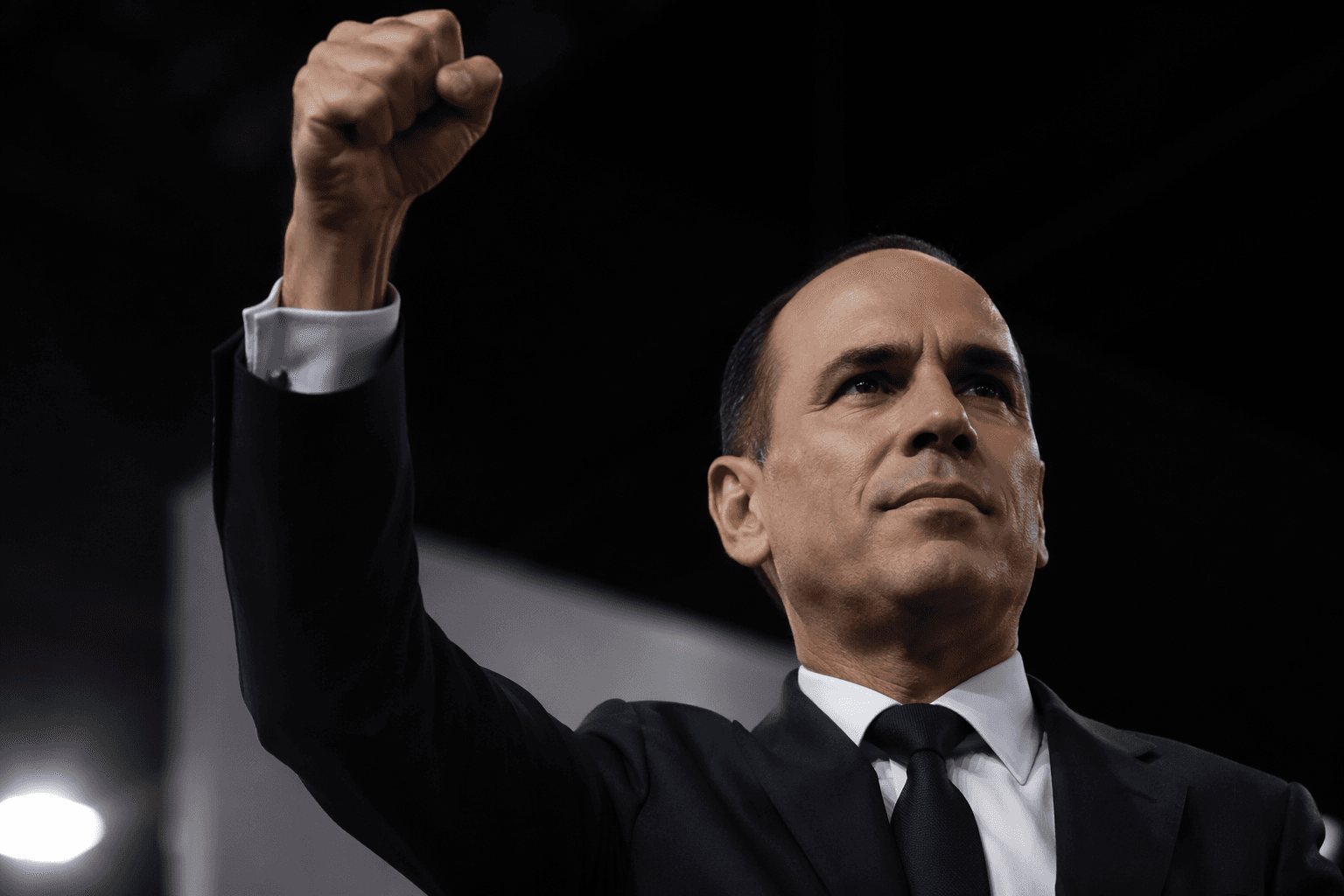
De la Espriella built his campaign around a blunt security message, borrowing openly from Donald Trump and Javier Milei while promising an “iron fist” against crime, megaprisons and traditional family values. He also pledged closer cooperation with the United States and a tougher line on organized crime. That combination resonated most strongly in Colombia’s interior, where urban crime has become a sharper political issue, while Cepeda found stronger support in coastal and border regions shaped by rebel violence and a demand for policy continuity.
The vote took place against the backdrop of one of Colombia’s deadliest campaigns in decades. Miguel Uribe Turbay was shot on June 7, 2025 and later died from his injuries, the first killing of a Colombian presidential candidate in more than 30 years. Two campaign workers for de la Espriella were killed in Meta province on May 16, 2026, underscoring how insecurity reached deep into the race itself.
The broader stakes now reach well beyond the ballot box. With more than 41 million Colombians eligible to vote and turnout averaging about 46 percent, the runoff will determine whether the country swings back toward the right or extends Petro’s legacy. It will also shape relations with Washington at a moment of strain over migration, tariffs, security cooperation and Colombia’s growing ties with China. A de la Espriella presidency would likely push Bogotá toward harder counternarcotics policies and a tighter alignment with the United States, while a Cepeda victory would signal continuity on social policy and a different approach to regional security.
This article was produced by Prism’s automated news system from verified source data, official records, and press releases, then run through automated quality and moderation checks before publishing. The system is built and supervised by the people who set the standards it runs under. Read our full AI policy.
Did this article answer your question?

