Farage quits Parliament and seeks reelection amid donation probe
Farage will quit his seat and force a Clacton by-election as a £5 million donation probe widens, turning scrutiny into a test of his mandate.

Nigel Farage said he would resign his House of Commons seat and seek re-election in Clacton, turning a widening donations scandal into a direct test of his personal support. The Reform UK leader cast the move as a chance for local voters to judge him after scrutiny over money and benefits linked to his political career.
The decision sends Farage back to the seat he won at the July 4, 2024 general election with a majority of 8,405 and turnout of 58.7%. Reform UK holds just eight of the 650 seats in the House of Commons, but it has been polling ahead of both Labour and the Conservatives, making the by-election in Clacton-on-Sea, Essex, a politically charged test of whether the party’s rise can survive financial controversy.
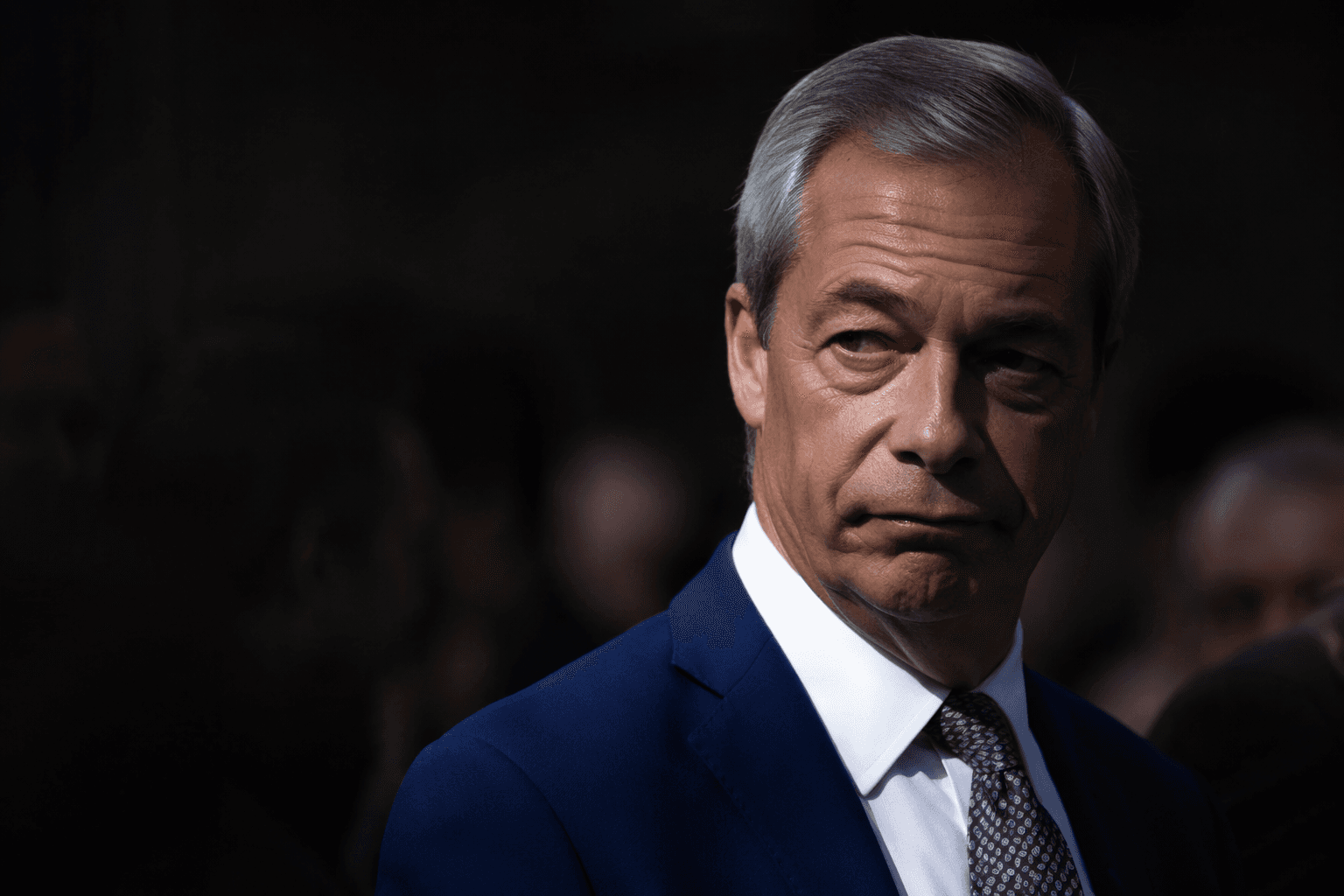
At the center of the row is a £5 million donation from Thailand-based cryptocurrency billionaire Christopher Harborne. The Parliamentary Commissioner for Standards, Daniel Greenberg, is already investigating whether Farage should have declared it properly. Farage has denied wrongdoing and said he has not broken the law, but the scrutiny has intensified the stakes for a politician who has built his brand on confrontation and anti-establishment politics.
The pressure did not stop there. Reuters reported on July 5 that Farage was referred to parliament’s standards watchdog after allegations that he failed to declare some benefits, opening the possibility of a second inquiry into gifts he received. That leaves Farage fighting on two fronts: one over a large donation said to have been made before he entered Parliament, and another over whether he complied with disclosure rules once he was inside Westminster.
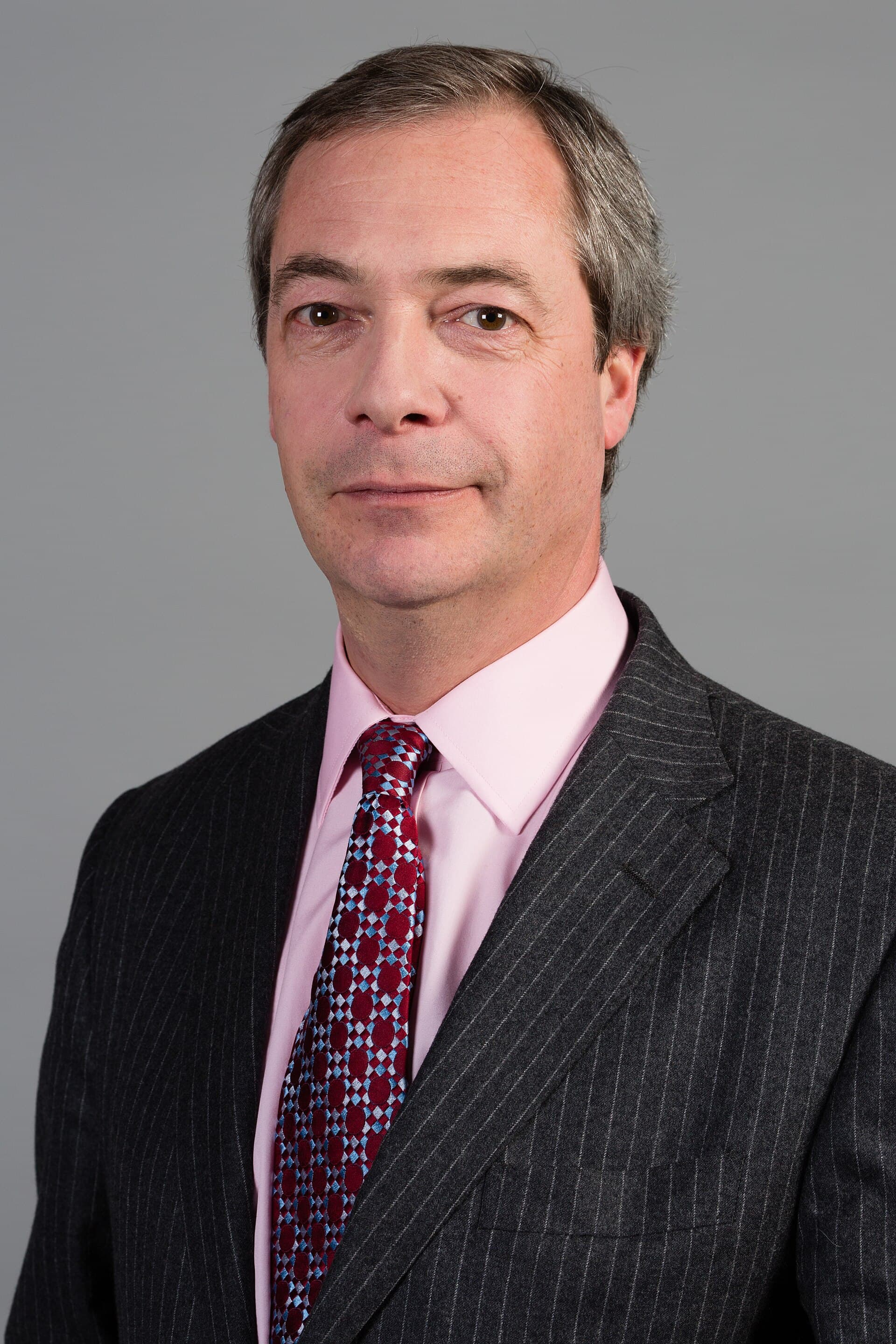
Farage’s decision echoes a familiar political instinct in Britain, where lawmakers often try to survive ethics questions inside Parliament and let procedures run their course. Farage chose a sharper gamble: leave the Commons, call the issue a matter for voters, and try to convert scrutiny into validation. Labour, the Conservatives and the Liberal Democrats have said they will not field candidates, narrowing the contest but not the political risk. Donald Trump also backed Farage publicly on Truth Social, underscoring how closely the Reform leader’s fortunes remain tied to a transatlantic populist network that treats defiance as proof of strength.
This article was produced by Prism’s automated news system from verified source data, official records, and press releases, then run through automated quality and moderation checks before publishing. The system is built and supervised by the people who set the standards it runs under. Read our full AI policy.
Did this article answer your question?