Farage quits Parliament to force Clacton by-election over donations row
Farage quit as MP to trigger a Clacton by-election, turning a donations row into a test of trust as critics warned of a second contest and a £300,000 bill.
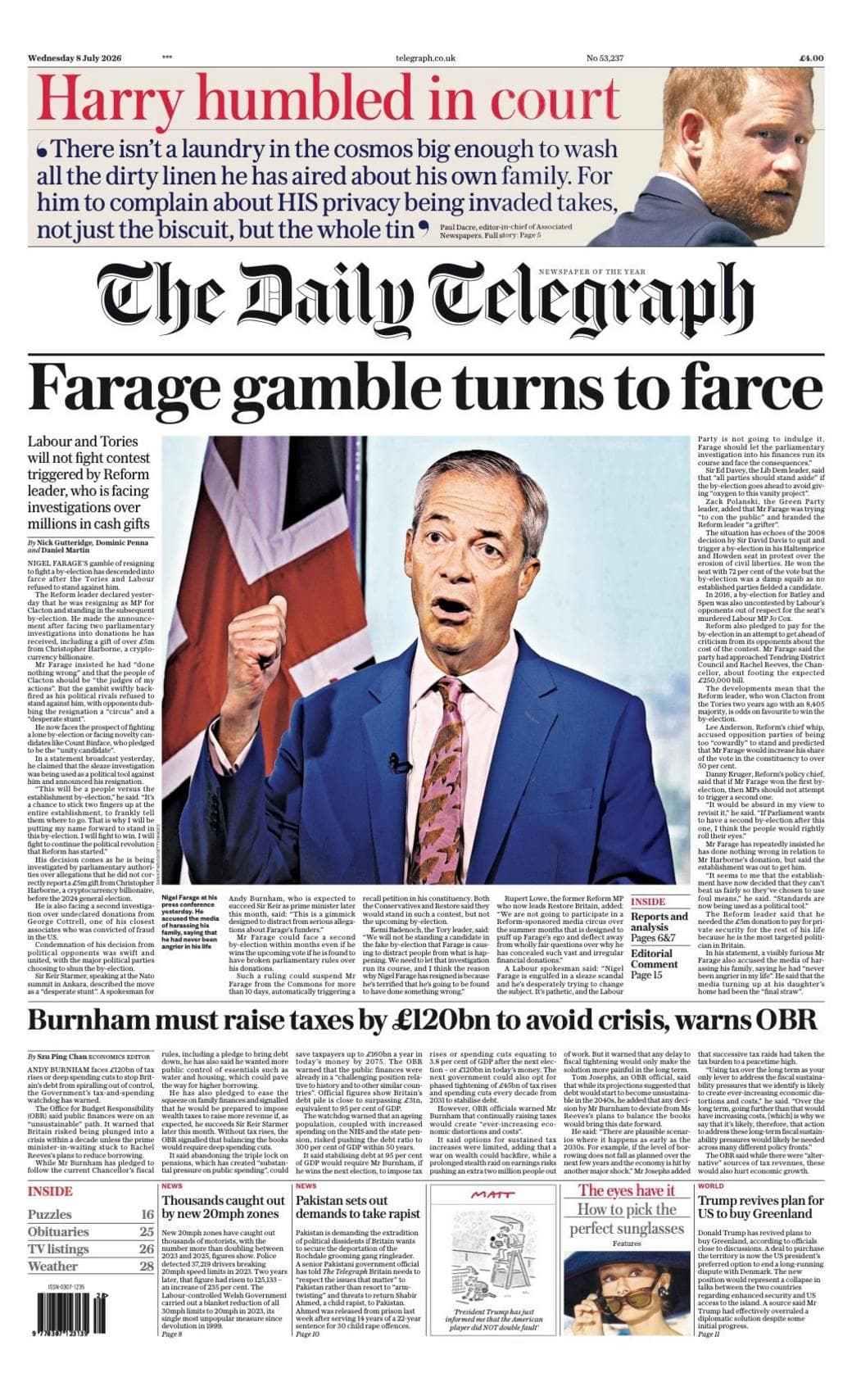
Nigel Farage resigned as an MP on Tuesday to force a by-election in Clacton, turning a donations row into a direct test of his standing with voters. He said the people of Clacton should be the judges of his actions, even as scrutiny intensified over allegations that he failed to declare a £5 million gift from crypto-billionaire Christopher Harborne and other support linked to his associate George Cottrell.
The move immediately sharpened the political risk around Reform UK’s most recognisable figure. Farage said he had done nothing wrong and cast the contest as a confrontation between the public and the establishment, but critics dismissed it as a desperate political stunt and a waste of taxpayers’ money. The by-election was reported to cost more than £300,000, and Reform UK said it had offered to cover the bill in an attempt to blunt that criticism.
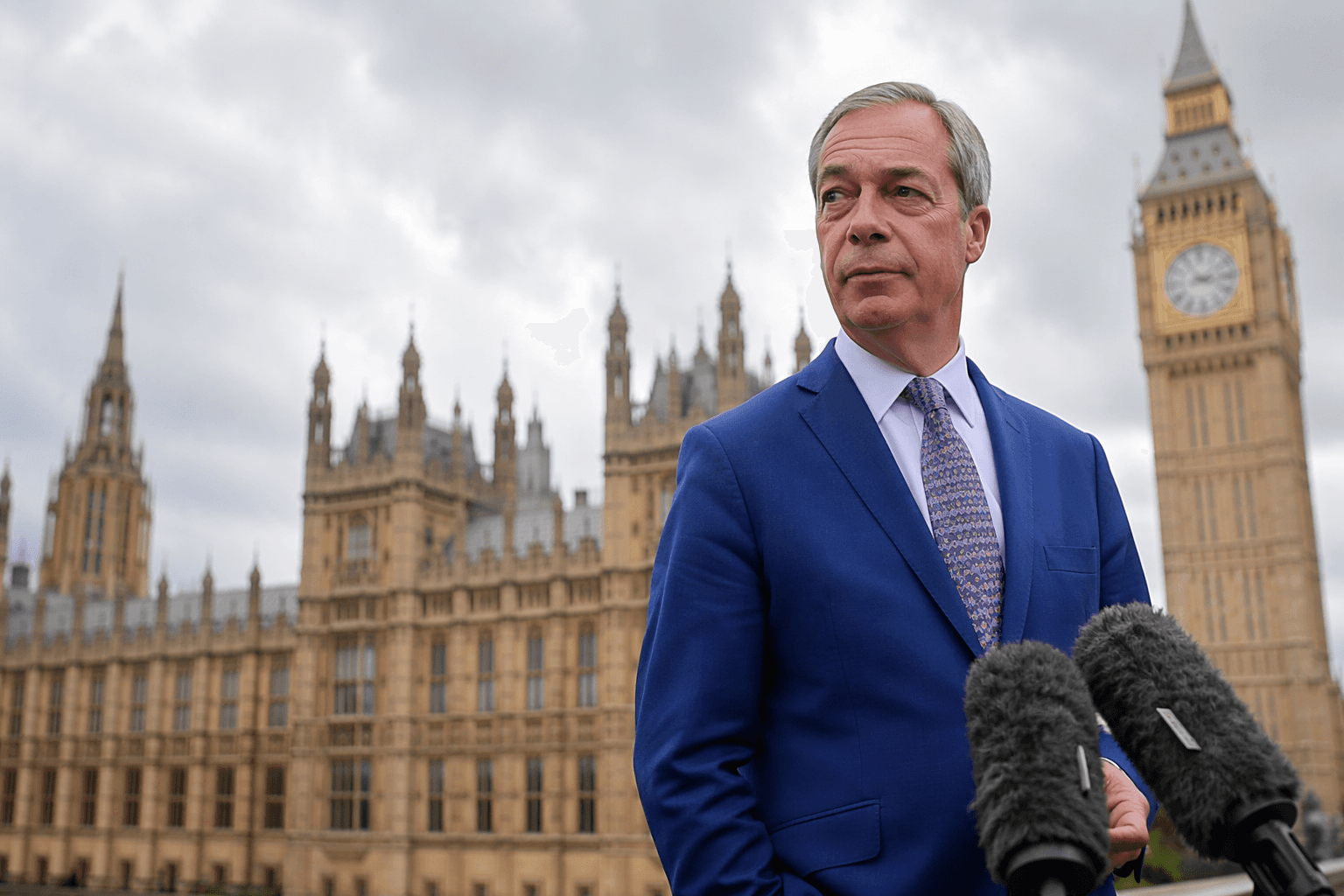
The contest could also expose Farage to an unusual second vote in the same seat. The House of Commons standards commissioner is investigating the donation allegations, and if that inquiry leads to a suspension of more than 10 sitting days, a recall petition could be triggered. If at least 10% of Clacton voters sign it, Farage could face another by-election soon after the first, a sequence that would turn his resignation gambit into a credibility test he may not fully control.
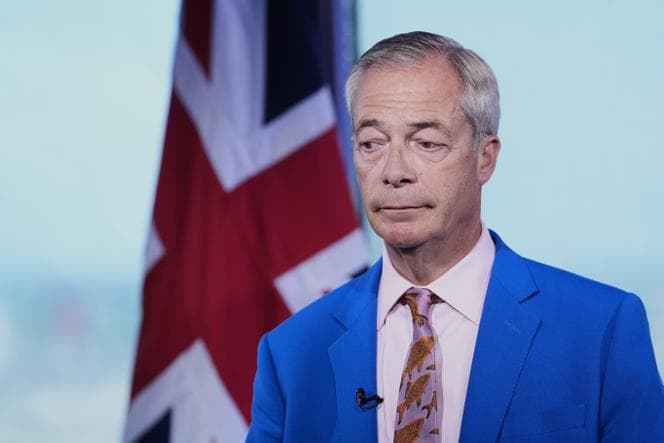
The main parties have already stepped back from that fight. Labour, the Conservatives, the Liberal Democrats, the Green Party and Restore Britain were all reported to have ruled out standing candidates against Farage. Kemi Badenoch said the Conservatives would not take part in a “fake by-election,” leaving Farage to seek validation in a contest with little conventional opposition but plenty of public scrutiny.
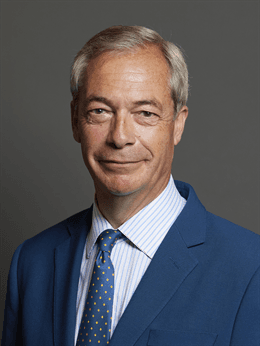
Clacton has long been central to Farage’s political branding. He won the seat in 2024 on his eighth attempt to reach Westminster over 30 years, and the constituency has a recent history of insurgent politics after Douglas Carswell won a 2014 by-election for UKIP and then held the seat at the 2015 general election. Farage’s latest move revives the same question that has followed him for years: whether repeated appeals to the electorate strengthen an anti-establishment pitch, or whether the spectacle itself eventually becomes the weakness.
This article was produced by Prism’s automated news system from verified source data, official records, and press releases, then run through automated quality and moderation checks before publishing. The system is built and supervised by the people who set the standards it runs under. Read our full AI policy.
Did this article answer your question?