Farage’s Reform targets Labour heartlands in deprived Welsh towns
Farage’s Reform was pressing into Wales’s poorest towns as polls put Labour on 14%, and the Valleys’ weak jobs record left the party exposed.
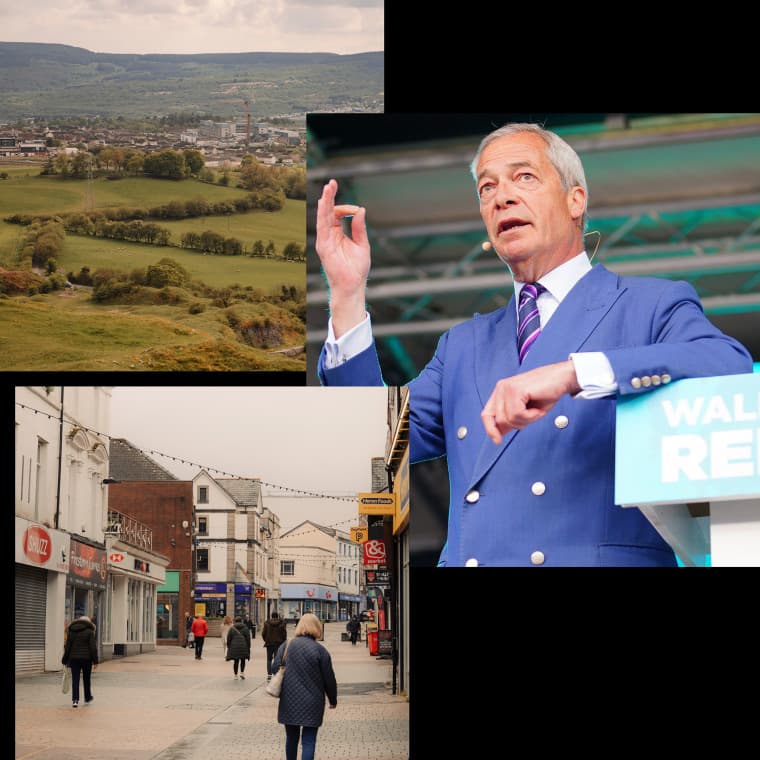
Nigel Farage’s drive into Wales is more than a personality contest. It is a warning that right-wing populism can take root in places long treated as Labour’s safest territory, especially where work is scarce, high streets are thin and political loyalty has been worn down by years of decline.
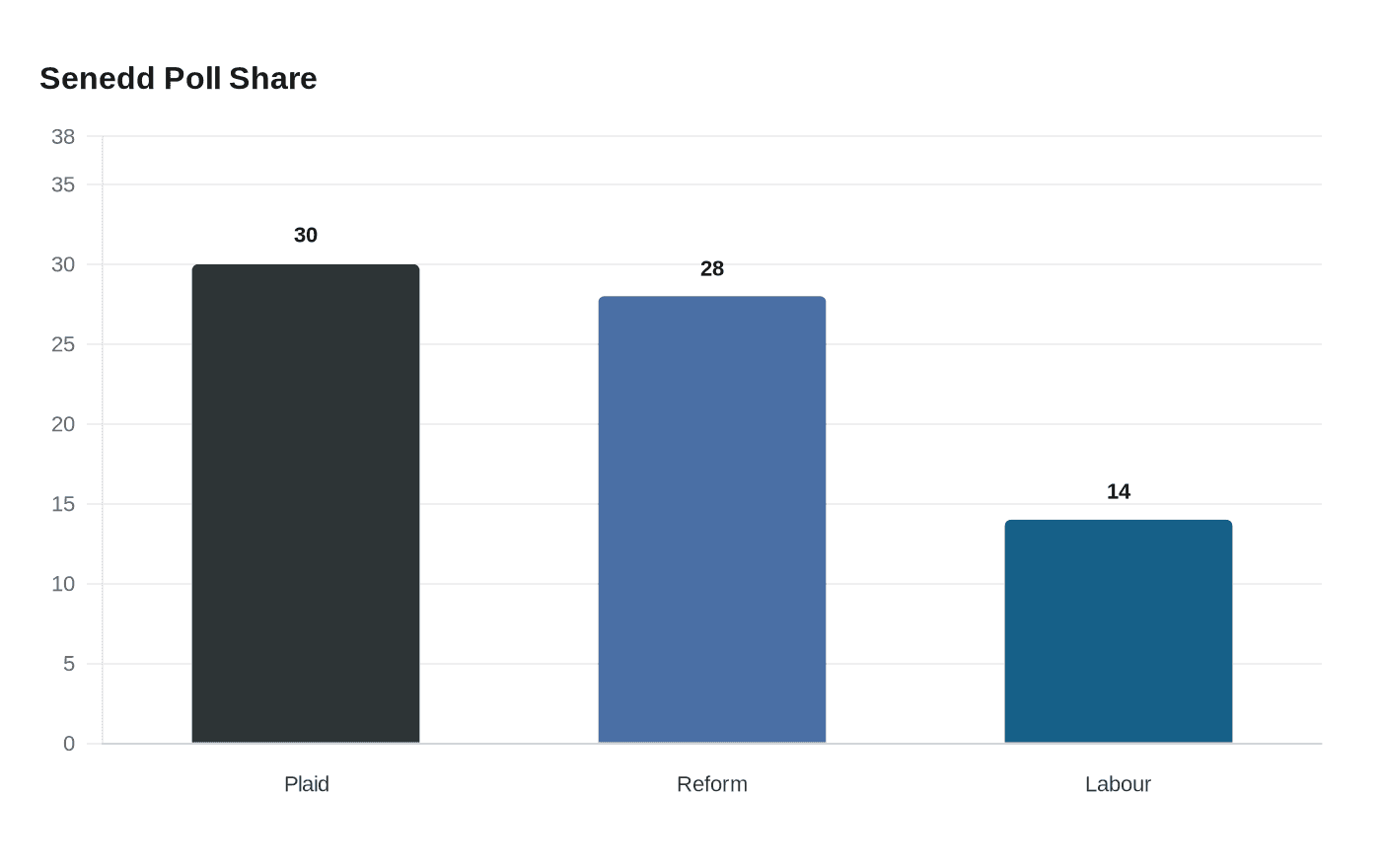
Reform UK entered the final stretch of the Senedd campaign with polling that suggested a historic realignment. YouGov’s 22 April model put Reform on 37 seats and Plaid Cymru on 36, with Labour down to 13 per cent. More in Common’s April projection was slightly different, but pointed in the same direction: Plaid on 30 seats, Reform on 28 and Labour on 24. A PollCheck aggregation published on 6 May showed Plaid at 30 per cent, Reform at 28 per cent and Labour at 14 per cent.

The scale of the contest matters because the Senedd vote on 7 May will elect 96 members under a new system, and the Welsh Parliament controls Welsh laws and taxes while holding the Welsh Government to account. For Labour, which has dominated Welsh politics since devolution began in 1999, the threat is not just losing seats. It is losing its claim to speak for communities that once formed the backbone of its movement.
That vulnerability is clearest in the South Wales Valleys, where deprivation has become political fuel. The Institute for Fiscal Studies said Wales’s employment rate for 16 to 64-year-olds was 71.4 per cent in 2025, compared with 75.1 per cent across the UK. It also said the gap between Wales and the UK had narrowed before the pandemic, then widened again afterward. Regional labour market data from the Office for National Statistics for February 2026 pointed to continuing weakness in employment and economic inactivity.
Farage has tried to turn that economic frustration into a referendum on Labour’s record. At a rally in Merthyr Tydfil, he said Wales had become a “basket case” and said Labour would be “smashed to smithereens” in Thursday’s vote. Reform’s message combines anti-immigration rhetoric with an anti-green, tax-cutting programme and promises to reindustrialize Britain and revive struggling high streets, language aimed squarely at post-industrial Welsh communities that have seen too many promises of renewal come and go.
Plaid Cymru leader Rhun ap Iorwerth has framed the race as a two-horse contest between Plaid and Reform, a striking sign of how far Labour has slipped from the centre of Welsh politics. Plaid has attacked Reform’s manifesto as leaving more than a £1 billion black hole in Welsh public finances. But the deeper issue is the anger behind Reform’s advance: poverty, food-bank use and housing insecurity have created fertile ground for a party offering disruption, blame and the promise of return. In Wales, that combination may be enough to break Labour’s grip.
This article was produced by Prism’s automated news system from verified source data, official records, and press releases, then run through automated quality and moderation checks before publishing. The system is built and supervised by the people who set the standards it runs under. Read our full AI policy.
Did this article answer your question?