Fashion Industry Invests in Carbon Removal and Textile-to-Textile Recycling
A $250 million Fashion Climate Fund and new brand bets on carbon removal and textile-to-textile recycling are pushing fashion beyond material swaps — but pilots face technical and funding hurdles.
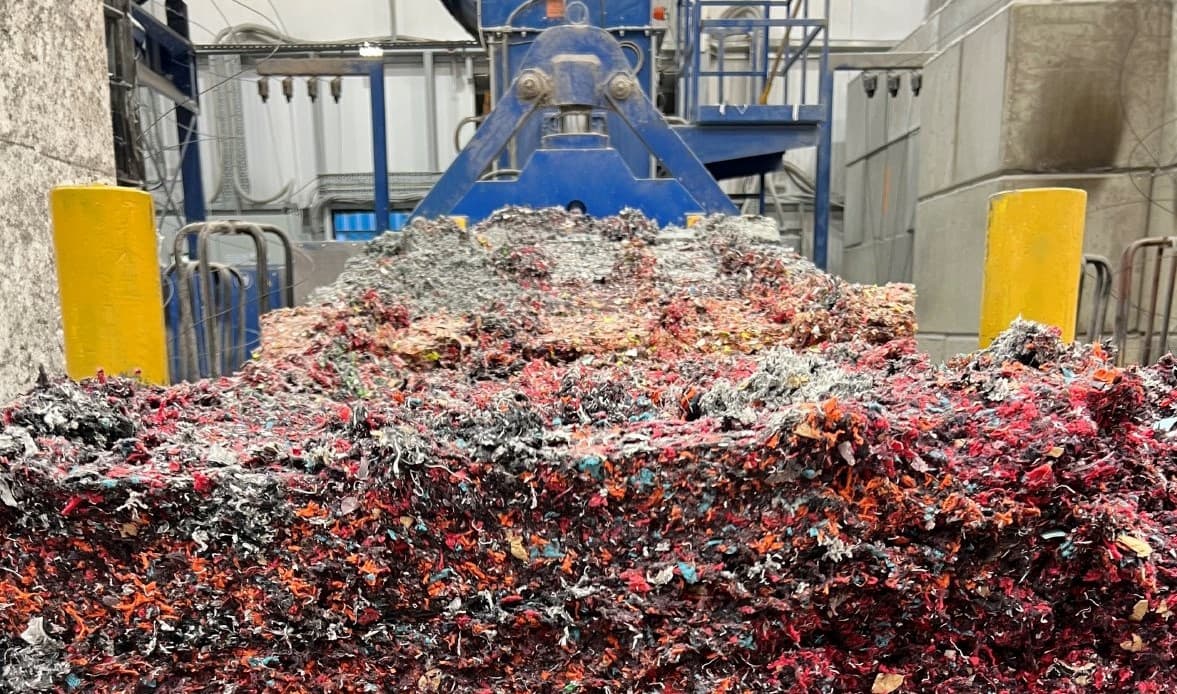
Major fashion players are shifting from patchwork sustainability fixes to system-level bets: a newly announced $250 million Fashion Climate Fund, Coach-owner Tapestry’s new carbon-removal partnership, and fresh commitments to textile-to-textile recycling startups are reshaping the conversation. "Coach‑owner Tapestry’s new carbon‑removal partnership and brands making fresh commitments to textile‑to‑textile recycling startups show an industry searching for ways to address its environmental impact," wrote Shayeza Walid from London, where these developments surfaced during Fashion Week.
The $250 million fund is donor-pooled and designed to move money through the supply chain - from grants for pilots to connections with debt and equity once interventions prove commercially viable. Vogue Business details that $40 million of the $250 million comes from lead funders Lululemon, H&M Group, the H&M Foundation and The Schmidt Family Foundation. Apparel Impact Institute materials describe the Fund as tied to Aii’s Climate Solutions Portfolio, with grant distribution to proven programs and a stated aim to recruit 25 Lead Partners from brands and philanthropy.
On the factory floor and in R&D labs, carbon-recycling experiments and next-generation materials are colliding with hard engineering realities. Atmos Earth reports innovators are harvesting industrial carbon and repurposing it into polymers and shoe soles; Carbon Upcycling Technologies’ product lead Peter Zhou cautioned, "We’ve tried to do some work with big brands like Lululemon. But when you’re developing new materials, it’s very hard to get [the finish] the brands want—where it’s soft, it’s lightweight, it feels nice." Atmos also notes some brands including Zara, H&M and Nike have produced garments where 20 percent of the material is reportedly made using captured carbon via partners such as LanzaTech or AirCarbon, while limited pilots like a Groundtruth project have been described as successful.
Circular materials and textile-to-textile recycling are the other pillar of the Fund’s mandate. Trellis highlights that the apparel industry creates about 4 percent of global greenhouse-gas emissions and cites a 2024 Apparel Impact Institute and Fashion for Good analysis finding next-generation materials could deliver 39 percent of the emissions reductions fashion requires to reach net zero. Innovation counts climbed from 130 in 2017 to 650 in 2024, and startups making alt-leathers such as Ananas Anam, Desserto, Vegetex and Vegea are already in collections from H&M, Hugo Boss and Nike.
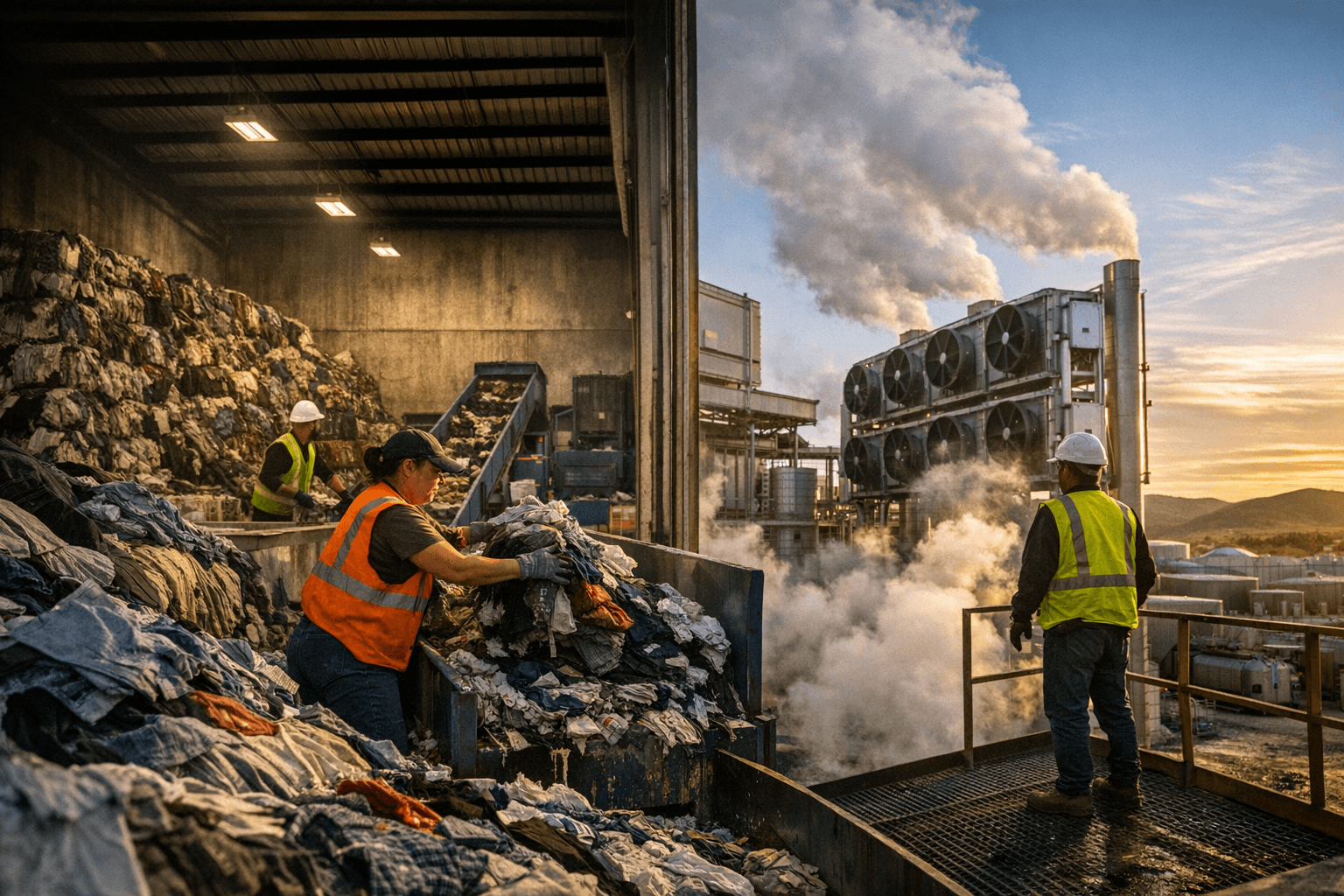
Yet significant tensions remain. BoF observed that "Where we stand right now, carbon removal is not a widely considered solution in the apparel and footwear industries," noting parallels only to upstream regenerative agriculture programs — efforts whose real-world impact is "difficult to measure" and whose accounting risks becoming offsets rather than structural cuts. Vogue Business underlines the scale problem: Aii estimated a $1 trillion funding gap seven months before the Fund’s launch, and many brands still do not publish concrete financial plans to underwrite factory-level transitions to renewable energy and material scaling.
The Fashion Climate Fund and brand pilots mark a serious pivot in strategy and capital. Still, the industry now needs technical maturity, transparent metrics and sustained financing to move captured-carbon soles and pineapple leathers from one-off runway curiosities to supply-chain standards that actually lower emissions.
Know something we missed? Have a correction or additional information?
Submit a Tip