Fast, Cheap and Under Control: Essential Low-Budget Guide for Alabama Filmmakers
Practical, field-tested low-budget filmmaking methods to help Alabama crews stretch resources, finish projects, and reach festivals with tighter budgets and simpler crews.
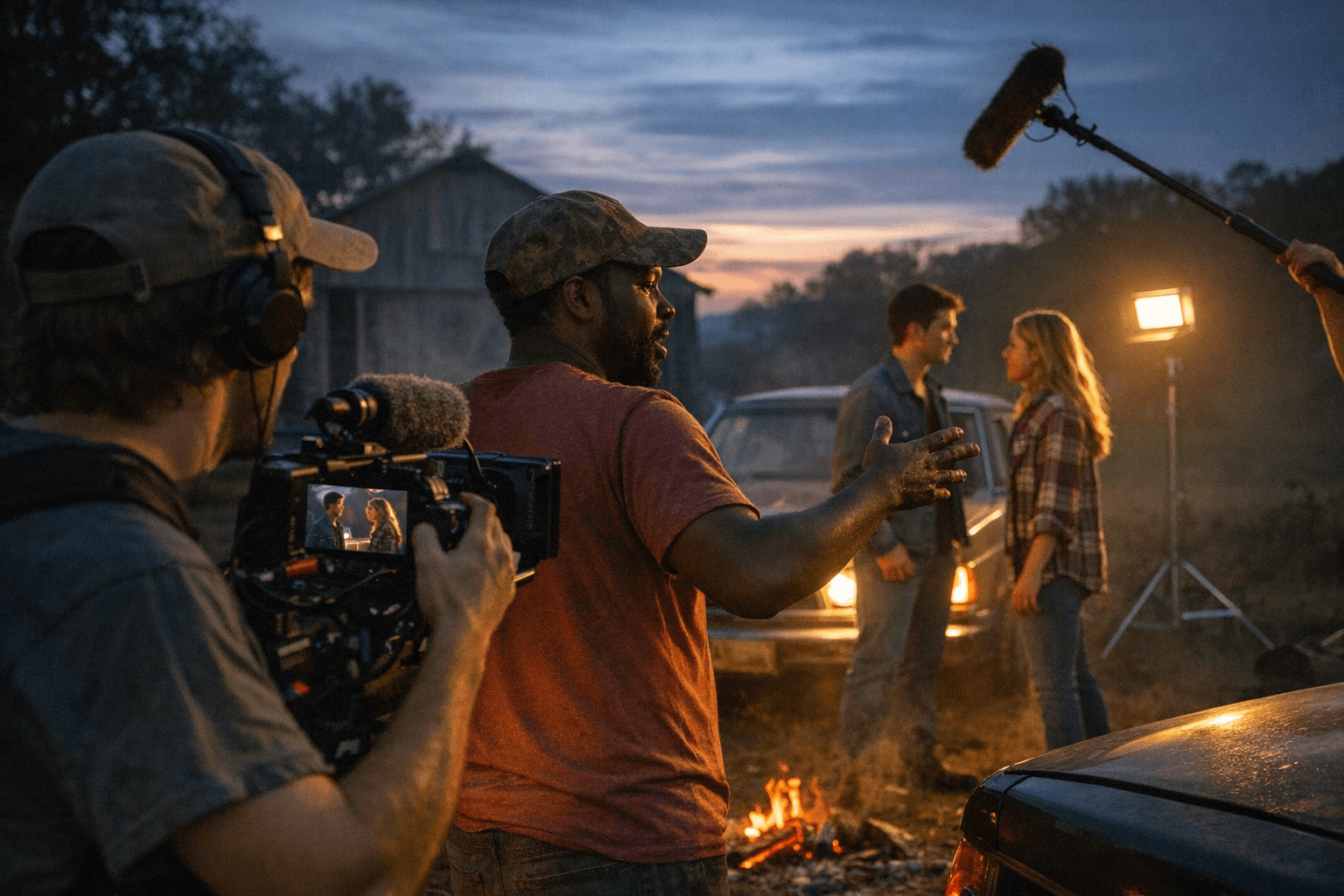
Focused planning and resource-driven choices let Alabama filmmakers finish projects without sacrificing professionalism. Distilled from interviews and hands-on practices used by experienced low-budget directors, producers, and crew, these tactics cover writing to your resources, guerrilla production, budgeting, crew roles, scheduling, equipment use, and festival outreach.
Start at the script stage. Write to locations you can lock, to actors you can realistically cast, and to set pieces you can actually light and dress. Narrow the location count to two or three primary sites and block scenes so you can shoot all material for a single location in consecutive days. This reduces truck rolls and keeps production days predictable.
Adopt guerrilla production tactics that prioritize speed and control. Scout for usable, low-cost real locations with flexible owners; secure written location agreements; plan for a low-impact footprint to avoid costly permits when possible. Schedule exterior work for off-peak hours and plan minimal setups - favor practical light and motivated coverage that yields usable takes fast. Keep daily shoot windows tight; aim for predictable 10-12 hour call days with clear wrap goals to protect morale and reduce overtime.
Budget with priorities in mind. Protect sound and camera essentials before splurging on nonessentials—good location sound and a competent sound mixer are more important than the newest lens. Build a contingency of roughly 10-15 percent for unexpected costs. Harden your schedule and contracts to minimize day-of changes that create extra costs.
Trim the crew to roles that matter for pace and quality. A reliable producer or UPM, a director of photography who can double as operator, one dedicated sound mixer, a small lighting grip, and two production assistants form a practical core for most shorts and microfeatures. Define clear responsibilities on call sheets and rehearse quick blocking so department handoffs are smooth.
Maximize equipment by renting curated packages and prioritizing multi-use tools: a solid boompole and mixer, versatile prime lenses, LED panels, and reliable batteries. Consolidate media-management on set and stagger camera settings to streamline dailies. When issues crop up on set, apply creative problem-solving: compromise coverage for usable performance, repurpose props, and lean on available practical light to keep the scene truthful.
Prepare festival outreach early. Build a tight festival list based on genre fit and submission deadlines, package materials with a clean one-sheet, a short synopsis, and polished stills, and set aside time and small funds for targeted festival fees and festival-friendly deliverables.
These practices are immediately actionable for Alabama teams working regionally on features, shorts, or documentaries. Use the tactics above as a working checklist during pre-production and production, and consult albertsbridgebooks.com for a fuller compendium of lessons from low-budget practitioners. Applying resource-first choices means more finished films, better festival positioning, and stronger local networks that keep Alabama filmmaking fast, cheap, and under control.
Know something we missed? Have a correction or additional information?
Submit a Tip