Fast Tabletop Ready Warhammer 40k Minis, A Practical Primer
This compact primer lays out a step by step workflow to get Warhammer 40k miniatures tabletop ready quickly and reliably. It matters because efficient prep saves time, preserves detail, and helps you meet tournament base and marking rules before you travel.
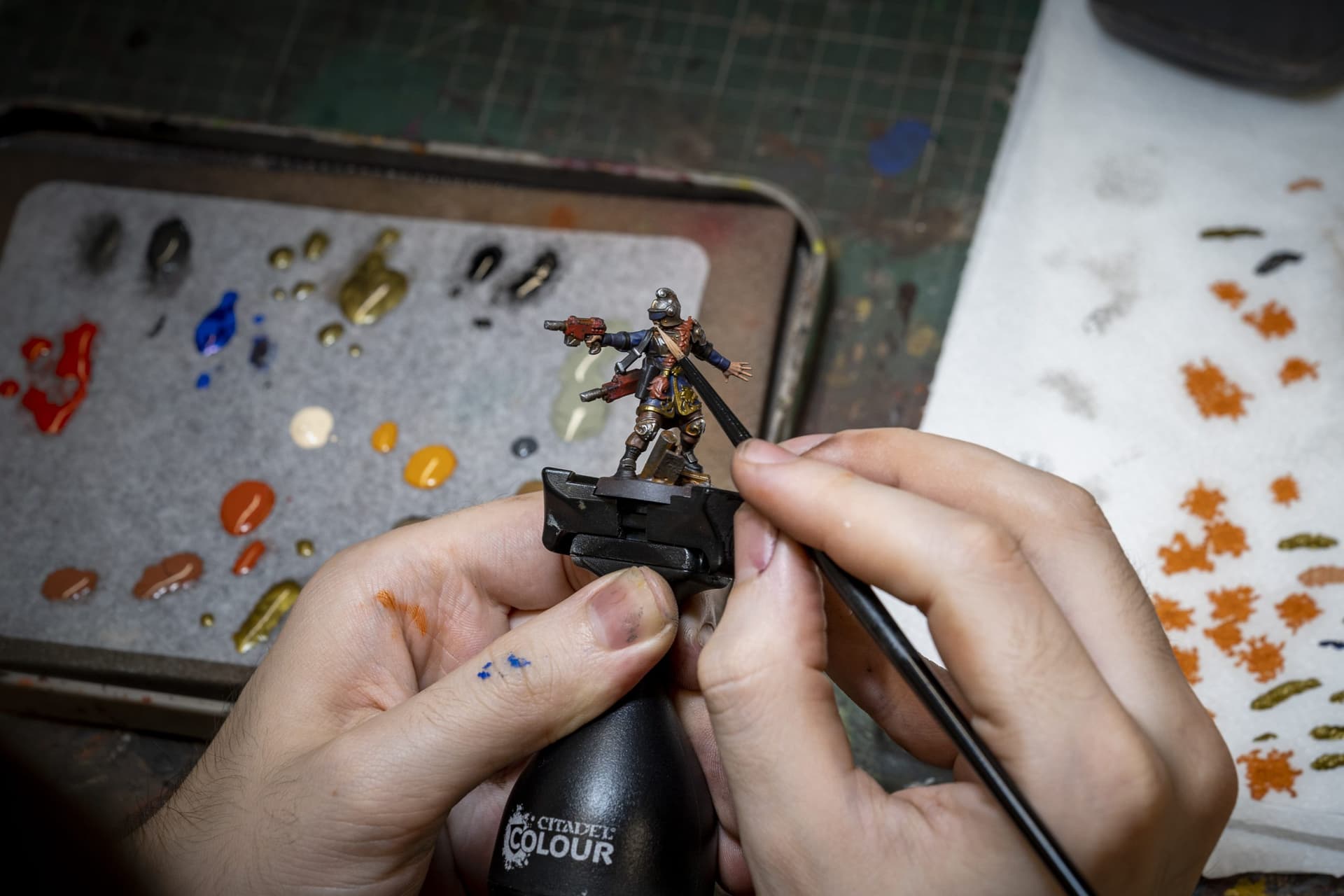
Get a small, well lit workspace and you cut mistakes and fatigue before the first cut is made. Use a non slip mat, simple tools such as sprue cutters, a hobby knife and fine files, and keep a dedicated brush cup. Daylight LED lighting and a comfortable chair make long sessions easier and help you spot mold lines and thin paint coverage early.
Start every model by cleaning and prepping parts. Remove flash and sprue gates with cutters, then trim mold lines with a hobby knife and finish with fine files. Test fit parts before you glue to avoid surprises and to plan any conversions. For plastic kits use plastic cement for stronger bonds. Use superglue, cyanoacrylate, for resin and metal. Build in subassemblies, for example weapons, heads and arms, so you can reach recesses while painting.
Prime with a thin, even coat using spray primer or an airbrush. Black primer gives fast tabletop shading and hides shadowing, while white or grey works better for bright colour schemes. Thin coats preserve sculpted detail and make subsequent layers behave more predictably.
For a fast tabletop workflow, start with a clean basecoat, then apply a wash to deepen recesses. Pick out edges with a light drybrush or quick highlights to add readable contrast. Prioritize contrast and colour readability over extreme detail to keep models table ready without burning hours.
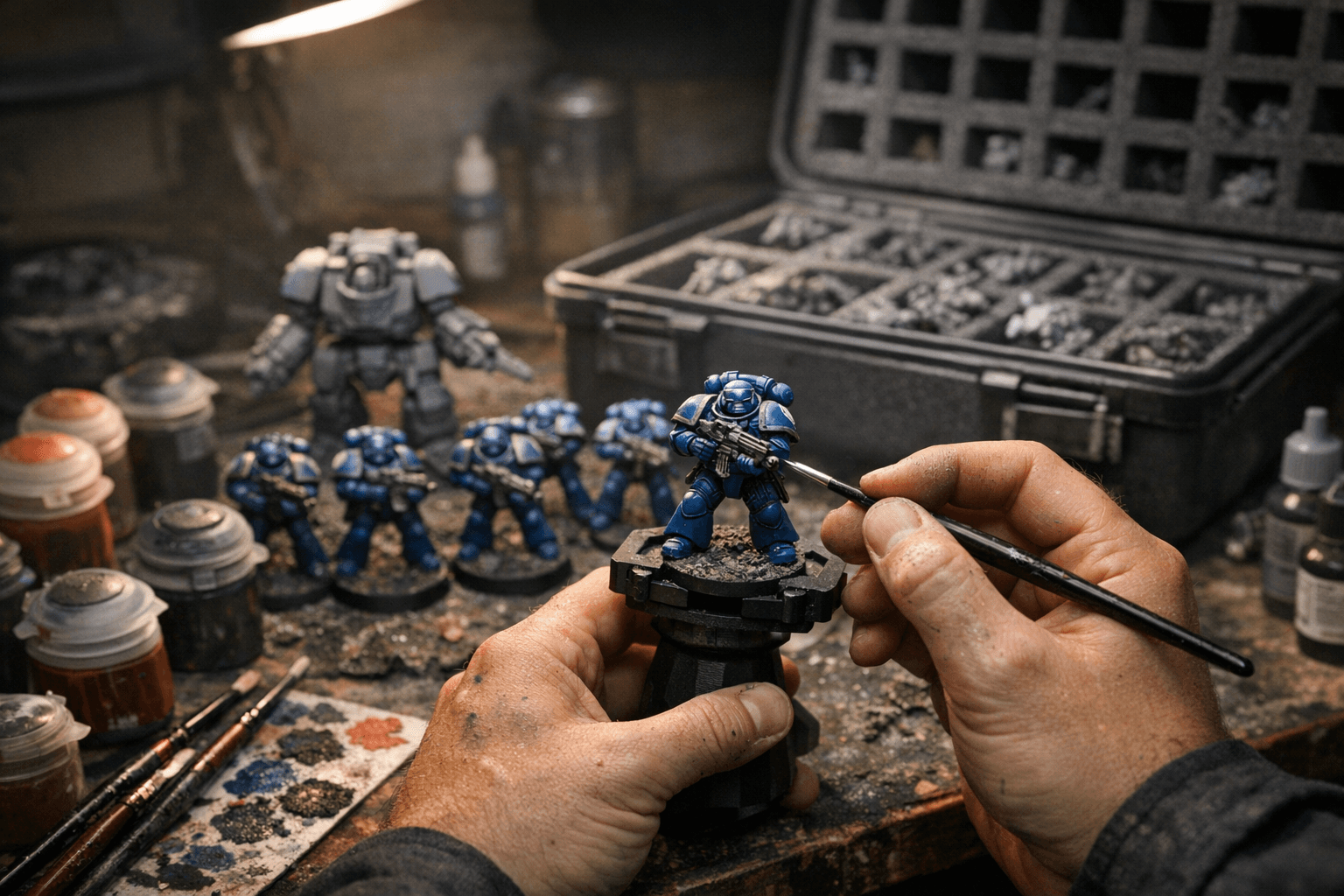
Finish with quick weathering and protection. Use selective drybrushing for metallics, dab a touch of pigment or use a spot sponge technique for chipping, and seal with a matte varnish to protect the paint. Apply gloss selectively for lenses or shiny areas.
Manage time by batch painting. Paint single base layers for many models at once, then shade all and highlight all, before moving to details on selected miniatures. This assembly line approach massively reduces time per model and gets units ready faster. Keep a small repair kit with superglue and spare bits, label the paints you use for each army for repeatability, and photograph finished units for reference. Verify base size and unit marking requirements for any tournament you attend so your army is legal before you travel.
Know something we missed? Have a correction or additional information?
Submit a Tip