FCC Escalates Disney Probe, Orders ABC Stations to Seek Early Renewal
The FCC forced eight ABC-owned stations into an early license renewal process, sharpening a fight that now tests how far regulators can pressure a company tied to federal broadcast licenses.
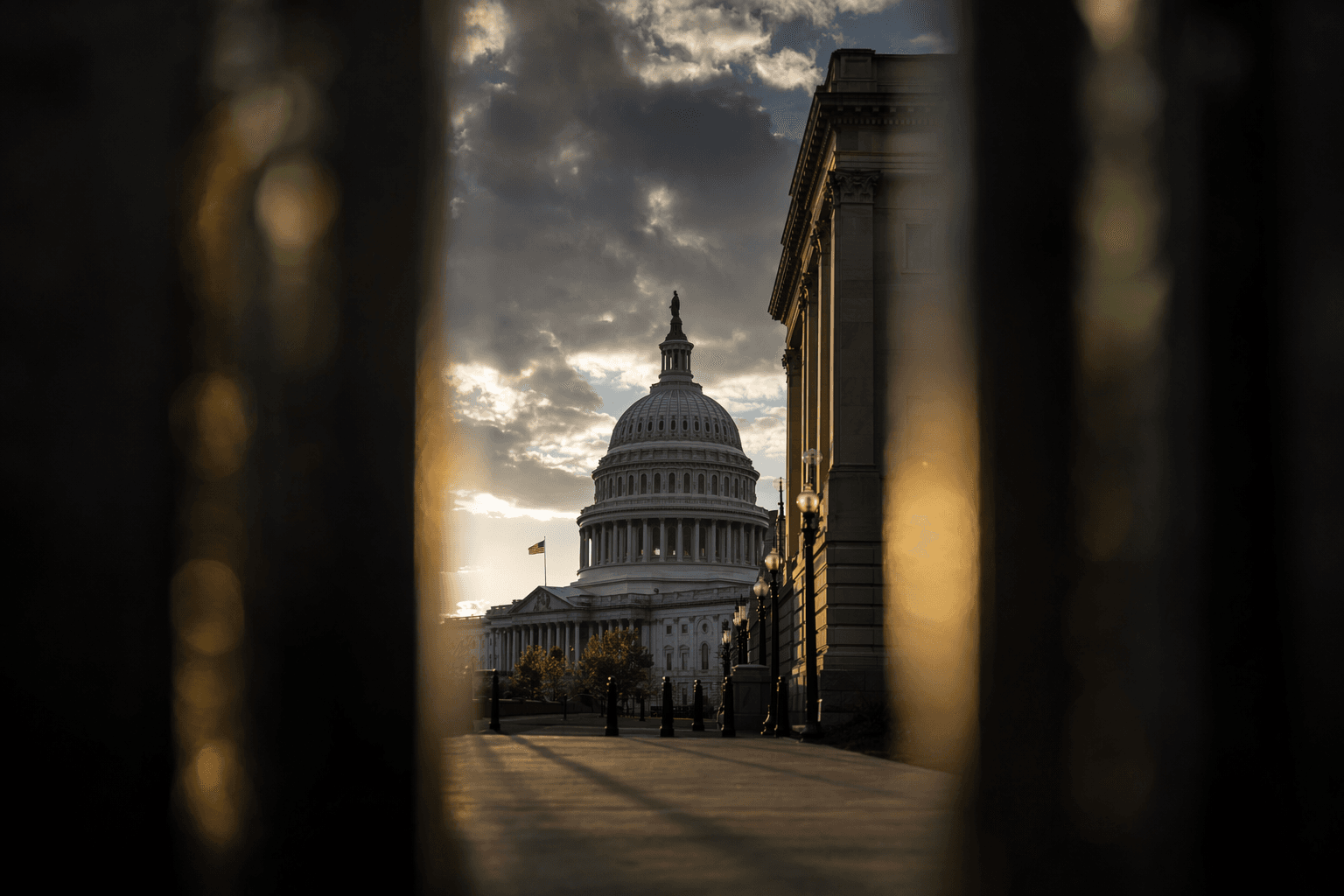
The Federal Communications Commission ordered Disney’s eight ABC-owned television stations to seek early license renewal, a rare and accelerated step that puts the company back before regulators by May 28, 2026. The agency said the move was tied to an ongoing probe into whether Disney’s ABC violated the Communications Act of 1934 and FCC equal-employment rules through unlawful discrimination connected to diversity, equity and inclusion policies.
The action widened a dispute that began in March 2025, when FCC chair Brendan Carr opened an investigation into Disney and ABC’s DEI practices. Carr said the question was whether the company had violated equal-employment rules by promoting DEI discrimination, turning a routine licensing process into a sharper test of the broadcaster’s compliance record and the agency’s reach.
The confrontation intensified after President Donald Trump and first lady Melania Trump pressed ABC to punish Jimmy Kimmel over a monologue joke on April 23, 2026 that referenced Melania Trump as an “expectant widow.” Kimmel pushed back on air, saying the line was not a call to assassination and describing it as a light roast about the Trumps’ age difference. The sequence gave the FCC fight a distinctly political edge, linking broadcast oversight to the White House’s broader pressure campaign.
Disney said ABC and its stations had a long record of operating in full compliance with FCC rules and serving local communities, and that it was confident it could show continued qualifications as a licensee. The company said it was prepared to defend that record through legal channels, signaling that it intends to contest both the substance of the probe and the speed of the license review.
The response from FCC commissioner Anna Gomez underscored the stakes for free expression and regulatory independence. Gomez, the agency’s sole Democratic commissioner, warned that the administration should not use the White House Correspondents’ Dinner shooting as a pretext for censoring speech. Her comments framed the clash less as a narrow compliance review than as a broader warning about the use of broadcast regulation as leverage against media companies seen as politically out of step with Trump.
The dispute lands at a sensitive moment for Disney’s new chief executive, Josh D’Amaro, and it raises a larger question that extends beyond one company. Broadcast licenses are a federal privilege, and the FCC’s unusual early-renewal order shows how quickly that power can become a pressure point when politics, media and regulation collide.
This article was produced by Prism’s automated news system from verified source data, official records, and press releases, then run through automated quality and moderation checks before publishing. The system is built and supervised by the people who set the standards it runs under. Read our full AI policy.
Did this article answer your question?

