FCC grants Amazon Leo waiver to speed satellite broadband rollout
The FCC gave Amazon Leo more time to miss its satellite milestone, but tied the reprieve to a temporary spectrum penalty.
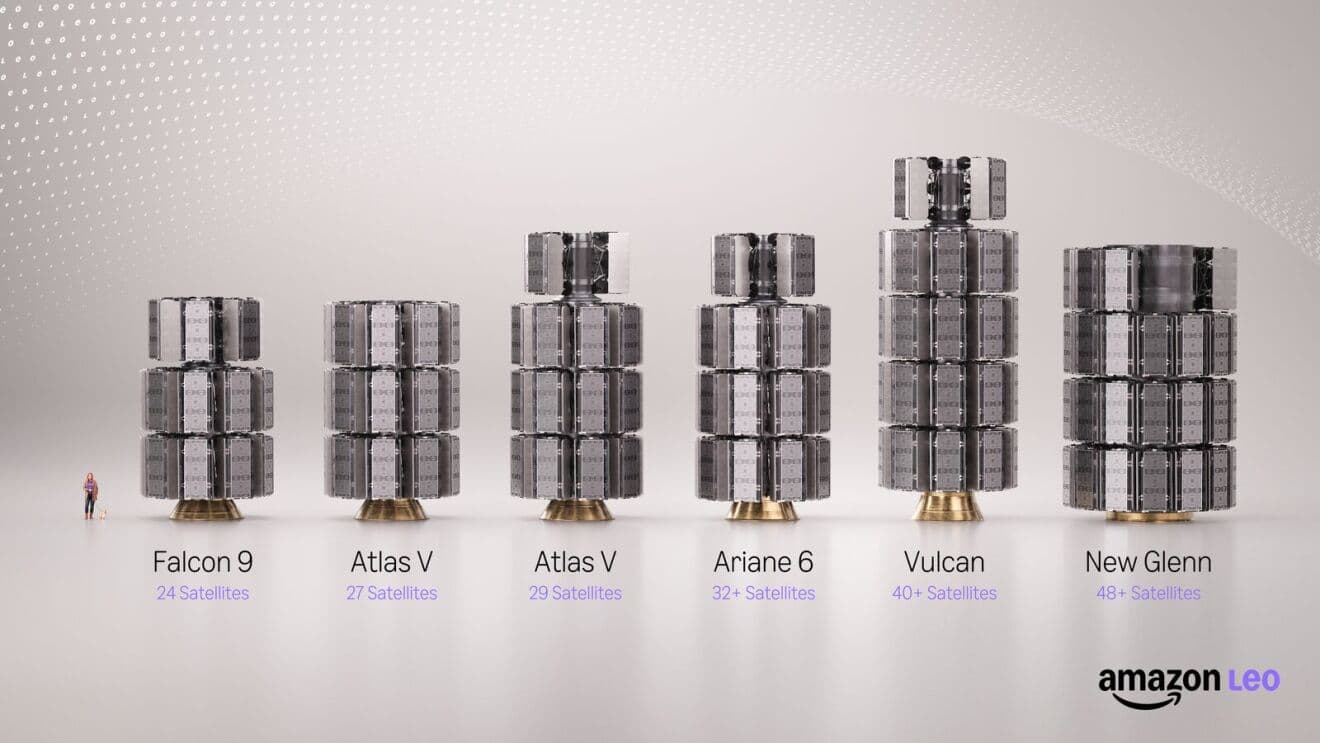
The Federal Communications Commission gave Amazon Leo a limited waiver that lets the company miss a key satellite-deployment deadline, but the relief came with a built-in penalty aimed at pushing launches faster. Regulators said the move serves the public interest by promoting a second large satellite broadband constellation and preserving competition with Starlink as Amazon tries to build out service from low-Earth orbit.
In an order adopted and released June 5, the FCC said Kuiper Systems LLC, now called Amazon Leo, can temporarily avoid the agency’s space-station milestone requirement for its Gen1 network. The milestone at issue was July 30, when Amazon Leo was expected to have deployed half of its first-generation constellation. Amazon’s authorization has been described in different filings as covering 3,232 or 3,236 satellites, and the company told the commission that earlier delays in rocket capacity and satellite redesign work made the deadline impossible to meet.
The FCC did not accept SpaceX’s argument that Amazon was getting special treatment. Instead, it attached conditions designed to keep the company moving. Satellites launched after the July deadline will temporarily lose spectral priority until Amazon Leo speeds up deployments, a step the commission said would encourage rapid builds and launches while protecting efficient spectrum use and timely service to the public.
That balance matters well beyond a single company’s schedule. The commission said Amazon Leo is a new competitor-at-scale that could bring high-speed broadband to unserved and underserved areas of the United States, especially where traditional wired networks have not reached. As the government weighs broader changes to its milestone rules, the waiver gives Amazon more runway to challenge Starlink while postponing the point at which the company would face a sharper build-out obligation.
Amazon said its satellite broadband network began full-scale deployment in April 2025 and that it had completed 11 to 12 launch missions by early June, with more than 100 launches secured. Reporting on the order said Amazon had about 331 satellites in orbit at the time, far short of the 1,616 needed to meet the half-constellation mark. The company said it plans to begin commercial service in 2026, with enterprise beta already underway.
The decision also landed against a broader policy shift. On April 30, the FCC modernized its satellite spectrum-sharing rules and said the changes could unlock more than $2 billion in economic benefits and as much as seven-fold more capacity for space-based broadband services. For rural Americans still waiting on reliable internet, the question is whether the waiver speeds real broadband choice soon, or mainly gives a powerful tech player more time to finish a network already behind schedule.
This article was produced by Prism’s automated news system from verified source data, official records, and press releases, then run through automated quality and moderation checks before publishing. The system is built and supervised by the people who set the standards it runs under. Read our full AI policy.
Know something we missed? Have a correction or additional information?
Submit a Tip

