FCC to Demand Early License Renewals from Disney Stations
The FCC was poised to force Disney’s eight ABC stations into an early license review, a rare step that could signal broader pressure on broadcasters.
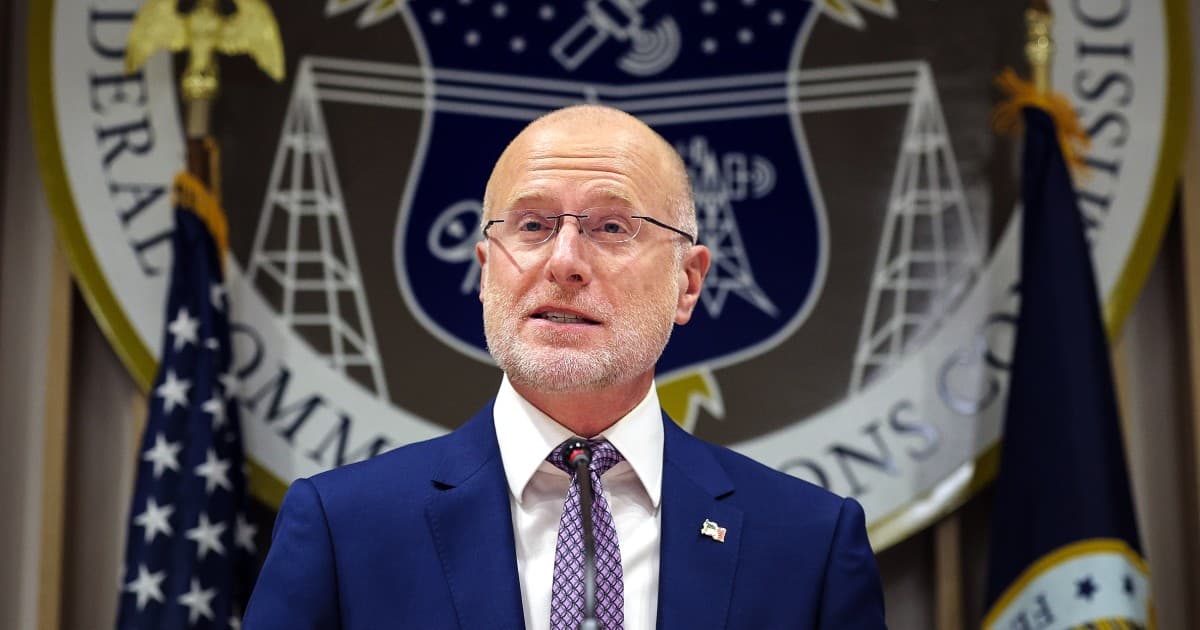
The Federal Communications Commission was set to order Disney’s eight owned ABC stations to file their broadcast license renewals ahead of schedule, a move that would put the nation’s top media regulator directly into the middle of a fight over political pressure, diversity policies and late-night comedy. One source familiar with the matter described the step as “unprecedented,” underscoring how unusual it would be for the FCC to accelerate review of individual television stations.
The distinction matters. The FCC licenses broadcast stations, not the network itself, and those licenses normally run in eight-year terms. Under the agency’s public renewal process, filings can open the door to public comments and objections, giving outside groups a formal opportunity to challenge a station’s performance before the commission decides whether to renew. An early filing would effectively pull Disney’s stations into that scrutiny sooner than expected.
Disney’s ABC Owned Television Stations division says it operates eight owned ABC stations in major U.S. markets, making the issue bigger than a single corporate dispute. The stations are part of Disney Entertainment Television’s local-news footprint and are positioned as multiplatform outlets for local information. Because broadcast licenses govern access to publicly owned airwaves, the FCC’s leverage reaches well beyond one company’s brand image or corporate strategy.
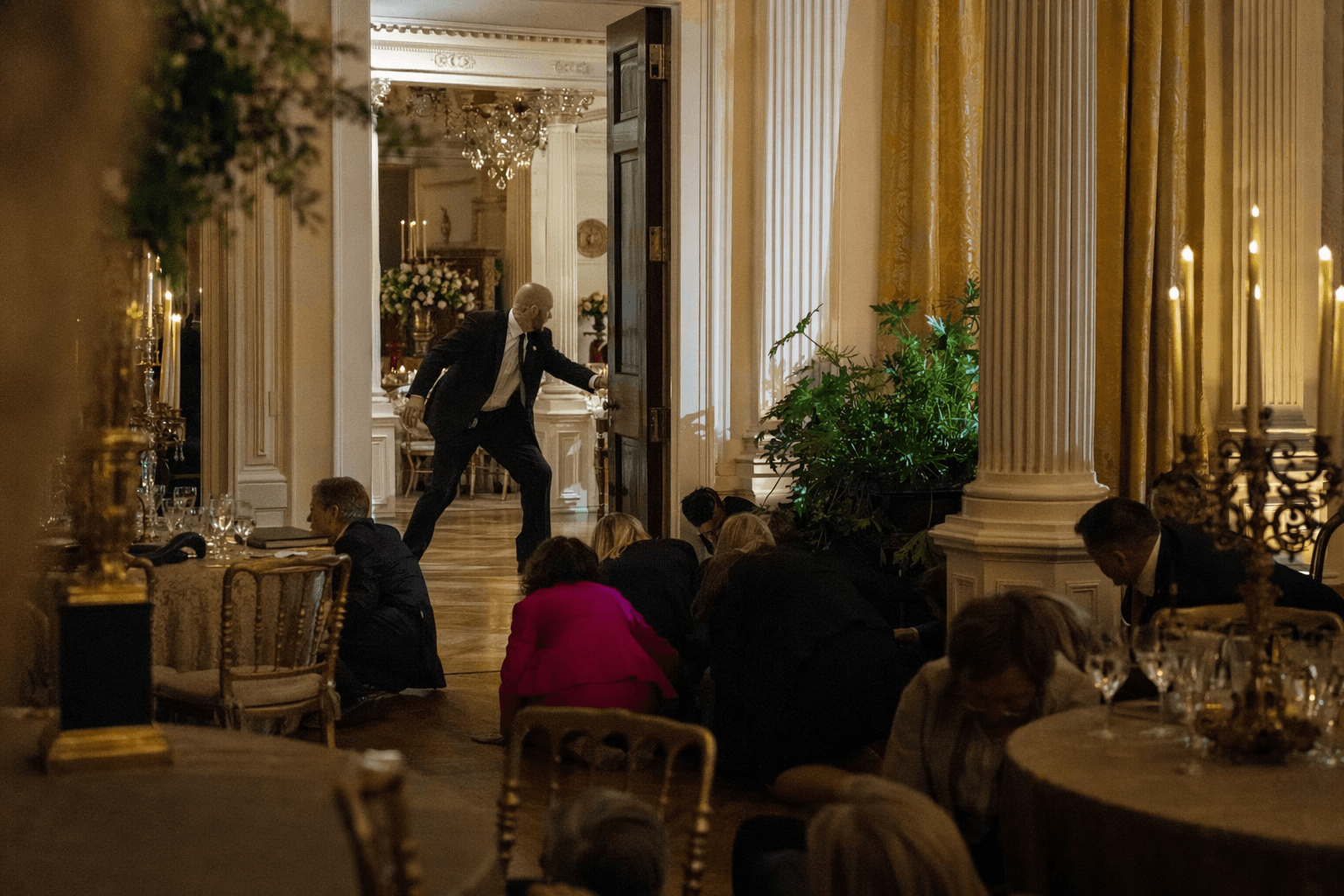
The immediate trigger appears to be the escalating clash between the Trump administration and ABC over Jimmy Kimmel. NBC News said the source linked the “unprecedented” move to a recent joke by the late-night host about first lady Melania Trump. Separately, Reuters reported that the FCC was moving toward a review of Disney’s broadcast licenses amid the controversy, adding another layer of regulatory pressure around the company.
Brendan Carr has already signaled how far that pressure can go. In March 2025, he opened a probe into Disney and ABC over diversity, equity and inclusion practices, arguing in a letter that the programs may have violated FCC equal employment opportunity rules. Carr has also threatened Disney’s licenses as recently as this month, according to Semafor, raising the possibility that the commission could use the threat of early review without necessarily triggering it immediately.
That is why the order, if issued, would look less like routine paperwork and more like a warning shot. The FCC does have a standard license-renewal framework, and the Television Bureau reviews renewal applications, ownership changes and transfers of control as part of its normal work. But forcing eight Disney stations to file early would suggest a chairman willing to use licensing authority as leverage in a broader political and cultural fight. For broadcasters that depend on the public spectrum, the message would be hard to miss.
Know something we missed? Have a correction or additional information?
Submit a Tip