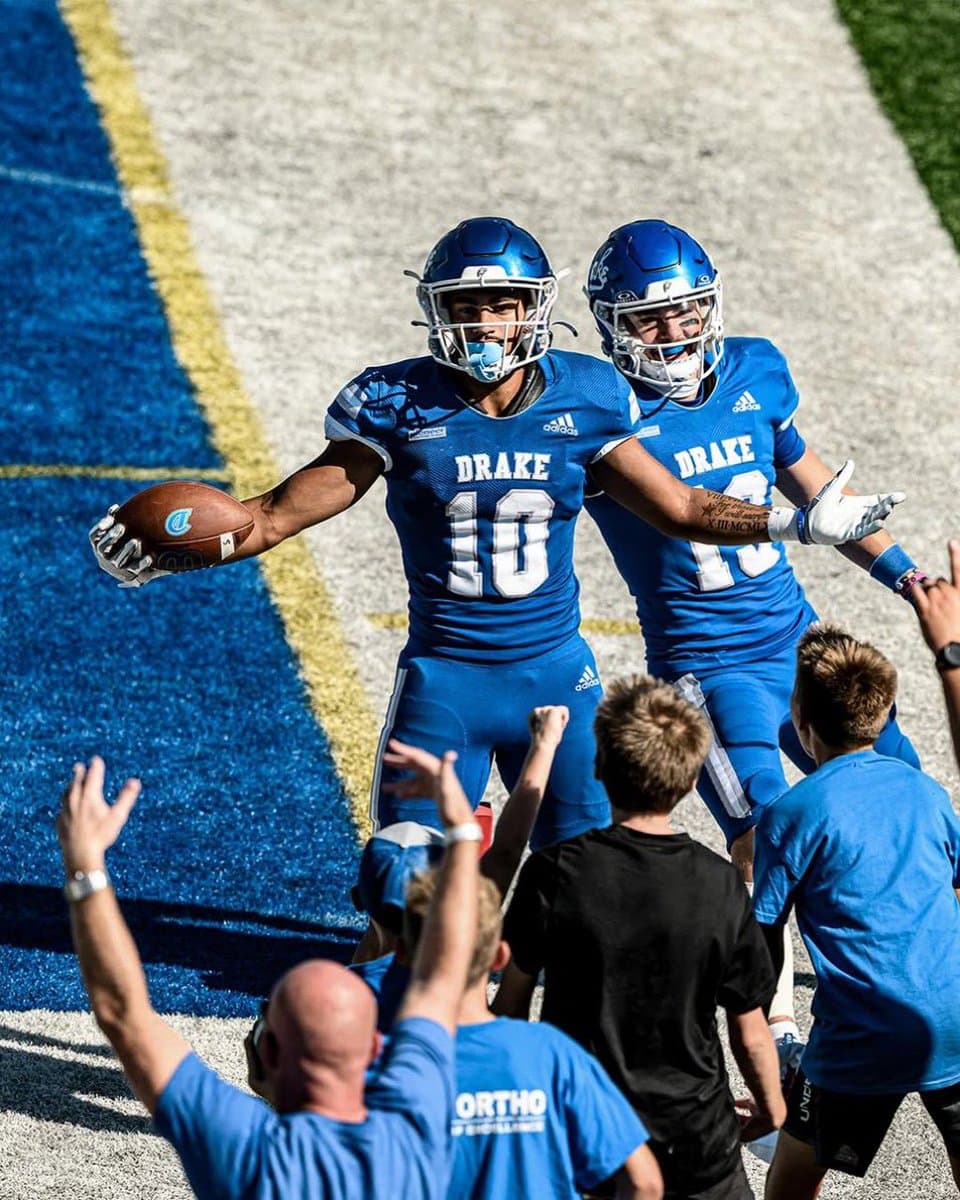
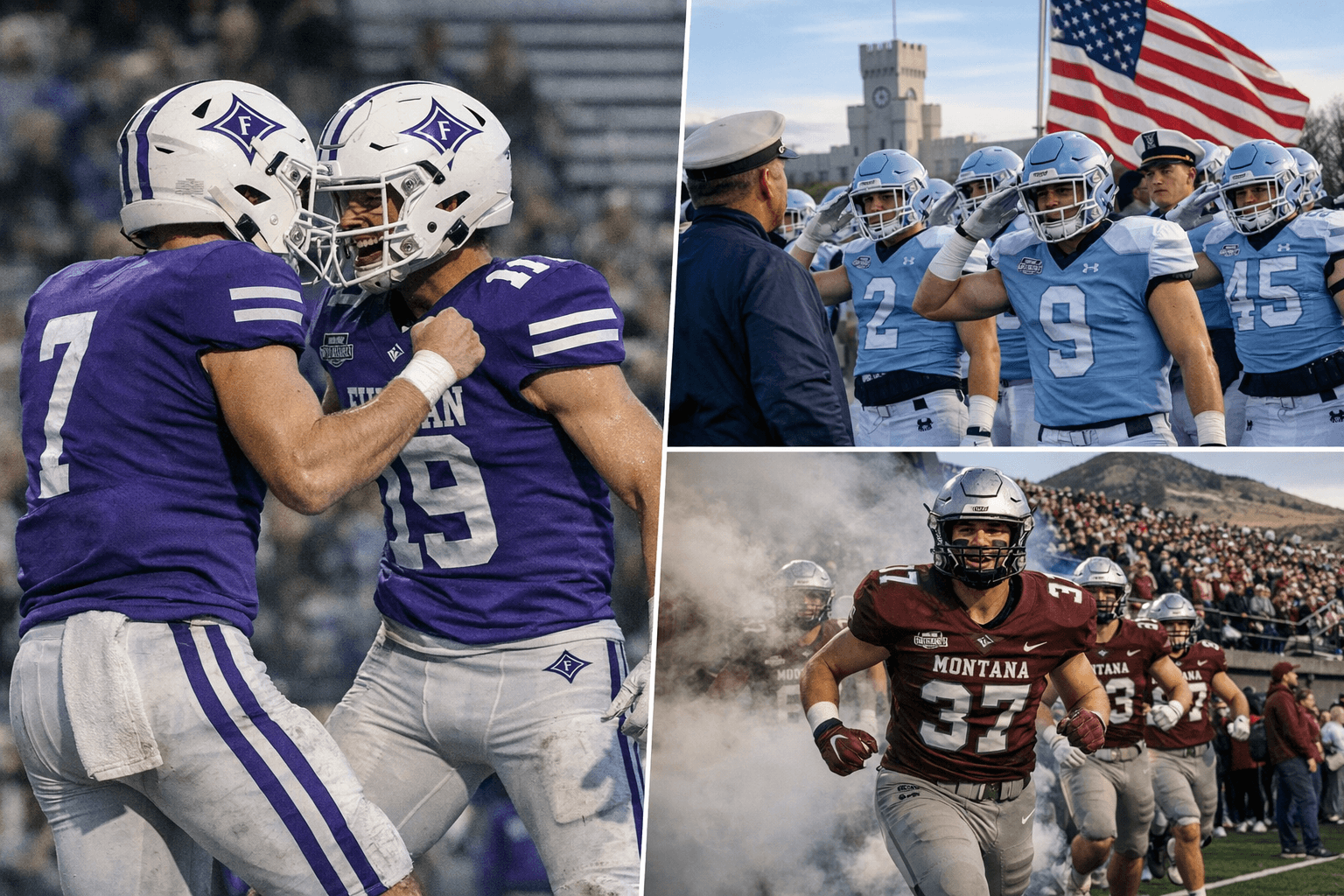
FCS Programs Embrace FBS Matchups in 2026 for Revenue, Exposure, Résumé Boosts
FCS programs in 2026 are scheduling FBS opponents primarily for three reasons: revenue and budgetary support, national exposure that fuels recruiting and NIL, and competitive scheduling to sharpen résumés.

Across the FCS, matchups with FBS opponents in 2026 are no longer treated as one-off paydays but as strategic moves driven by three core goals: revenue and budgetary support, national exposure that helps recruiting and NIL opportunities, and competitive scheduling that boosts team résumés. Athletic directors and coaches are framing these games as multi-dimensional investments rather than simple guarantee checks.
The first driver is financial. The era of single-game paydays has evolved into a budgeting tool for FCS programs in 2026; administrators cite revenue and budgetary support as a primary reason to schedule FBS opponents. Programs view those matchups as a reliable revenue stream that underpins seasonal planning, and the phrase revenue and budgetary support now appears routinely in scheduling discussions across smaller athletic departments.
The second driver is exposure. National exposure that helps recruiting and NIL opportunities has become an explicit goal when FCS schools agree to FBS dates. Coaches say increased visibility in broadcasts and on streaming platforms amplifies recruiting pitches and creates more NIL platforms for players, and recruiters in 2026 factor FBS matchup deadlines into calendar pushes for prospects who want high-profile opportunities.
The third driver is competitive benefit. Competitive scheduling that can boost team résumés has shifted how conferences and independents construct nonconference slates in 2026. Programs are pursuing FBS opponents not just to test rosters but to present stronger résumés for postseason consideration and to give evaluators clearer data points on team performance against higher-level competition.
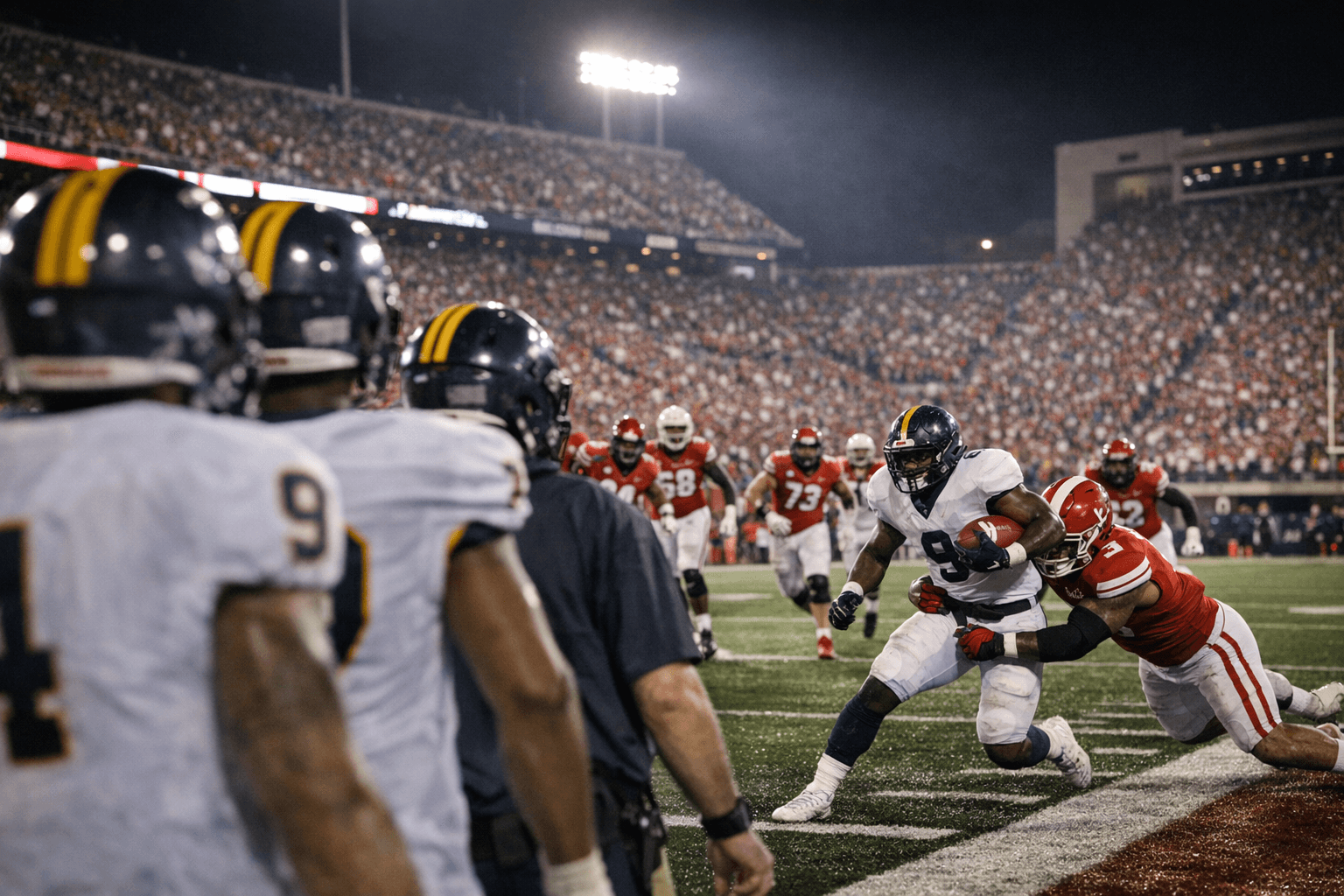
The cumulative effect of these three drivers is a more deliberate approach to scheduling in 2026. Rather than accepting FBS games solely for short-term cash, FCS programs are packaging revenue and budgetary support, national exposure that helps recruiting and NIL opportunities, and competitive scheduling that can boost team résumés into a single strategic rationale when negotiating dates and broadcast windows.
As of March 2, 2026, that strategic calculus is changing matchup calendars across conferences; athletic departments are prioritizing opponents that deliver on at least two of the three goals. The result for the season ahead will be a wave of FBS-FCS pairings negotiated with explicit financial, recruiting, and résumé objectives, and those priorities are likely to shape how FCS programs measure success off the field as much as on it.
Know something we missed? Have a correction or additional information?
Submit a Tip