FDA approves first drug to cut pancreatitis risk in high triglycerides
The FDA cleared Tryngolza as the first drug shown to cut acute pancreatitis risk in adults with severe hypertriglyceridemia.
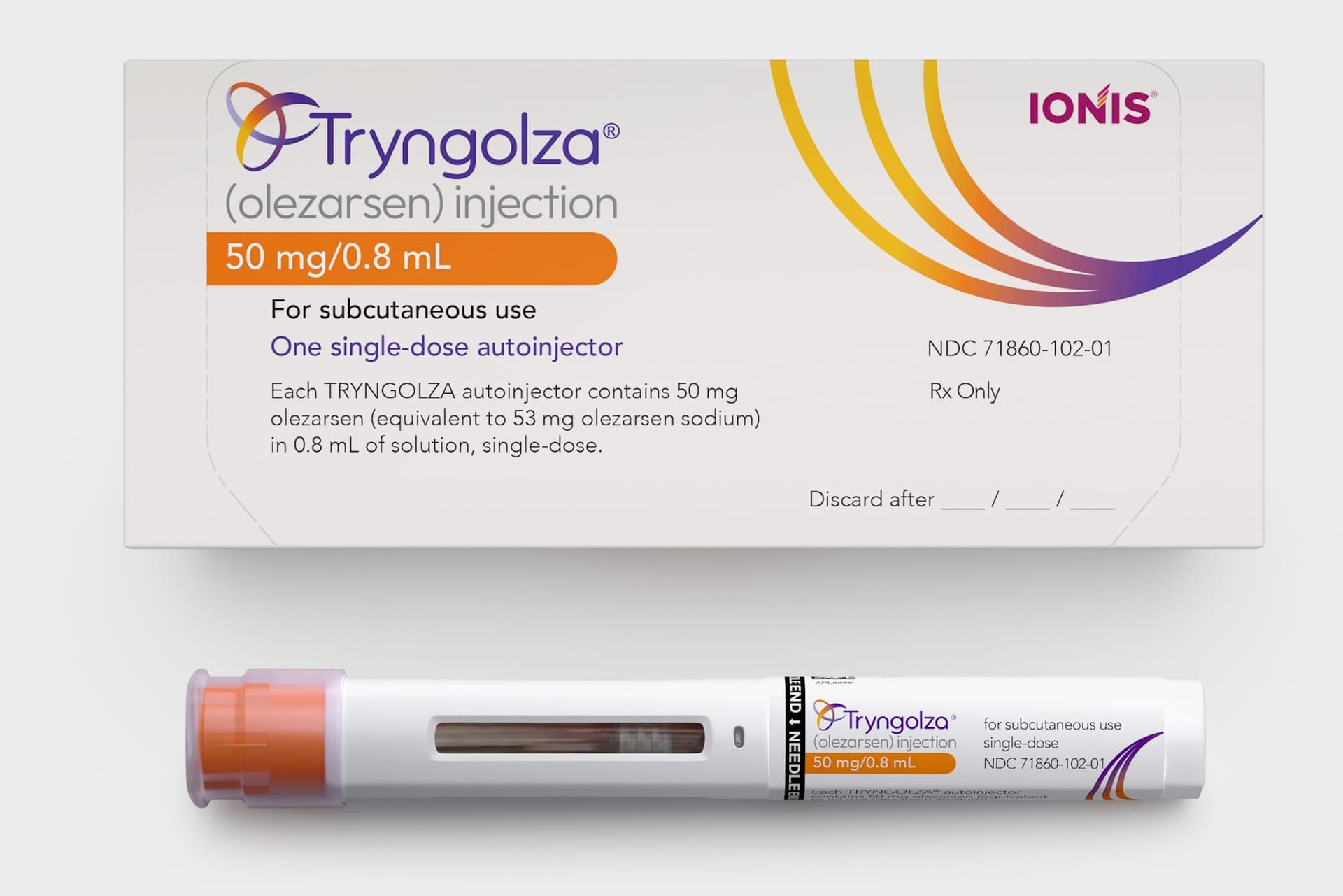
The Food and Drug Administration has approved Tryngolza, also called olezarsen, as the first treatment shown to lower the risk of acute pancreatitis in adults with severe hypertriglyceridemia. The drug is taken with diet and given as a subcutaneous injection once a month.
The decision matters because severe hypertriglyceridemia is not just an abnormal lab result. It is defined by fasting triglyceride levels of at least 500 milligrams per deciliter, compared with a normal level below 150, and it can push patients into acute pancreatitis, a condition that can be life-threatening and often leads to hospitalization.

Until now, treatment has centered on lifestyle changes and older triglyceride-lowering drugs. That has meant weight management, diabetes treatment, exercise, avoiding alcohol and following a low-fat diet, along with medication to bring triglycerides down. The FDA said earlier approved drugs had not produced enough pancreatitis events in their trials to prove they actually reduced the risk of that complication.
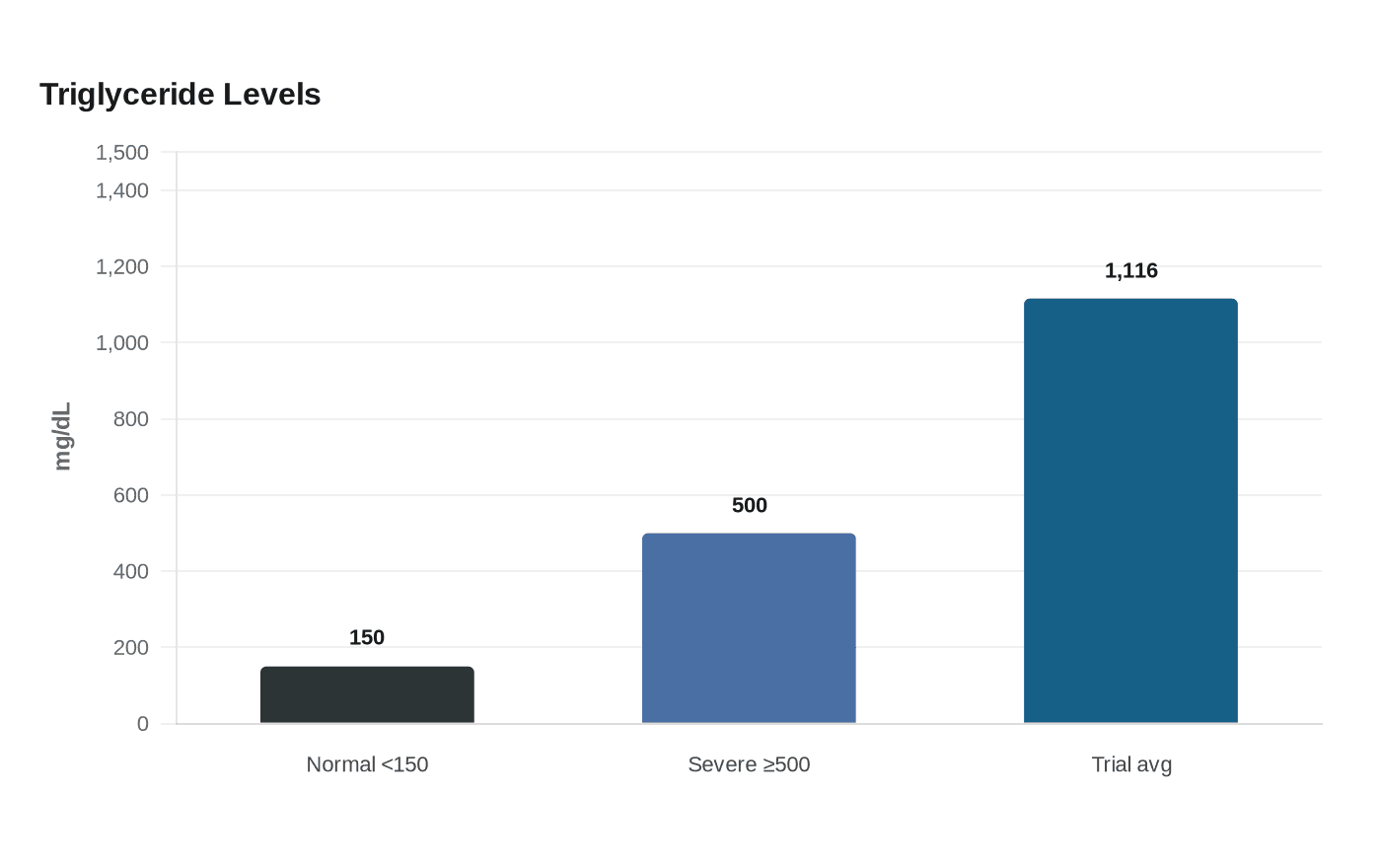
Tryngolza’s approval rests on two randomized, double-blind, placebo-controlled trials that enrolled a total of 1,061 adults. The average baseline triglyceride level in those studies was 1,116 milligrams per deciliter, underscoring how severe the condition was in the trial population. In the first trial, the average percent reduction in triglycerides from baseline to month six was 63% for the 50 milligram dose and 72% for the 80 milligram dose, both compared with placebo.
For physicians treating patients whose triglycerides remain dangerously elevated despite standard care, the approval adds a tool that was missing before: a therapy with evidence tied not only to lower triglyceride numbers but to a lower risk of acute pancreatitis. That makes the drug a potentially significant shift in the management of severe lipid disorders, especially for patients with persistent risk who had no previously approved option specifically shown to prevent the complication.
This article was produced by Prism’s automated news system from verified source data, official records, and press releases, then run through automated quality and moderation checks before publishing. The system is built and supervised by the people who set the standards it runs under. Read our full AI policy.
Did this article answer your question?