FDA approves Gilead’s Hepcludex, first treatment for hepatitis delta virus
Hepcludex became the first FDA-approved treatment for hepatitis delta, a rare infection tied to hepatitis B that may affect up to 80,000 Americans.
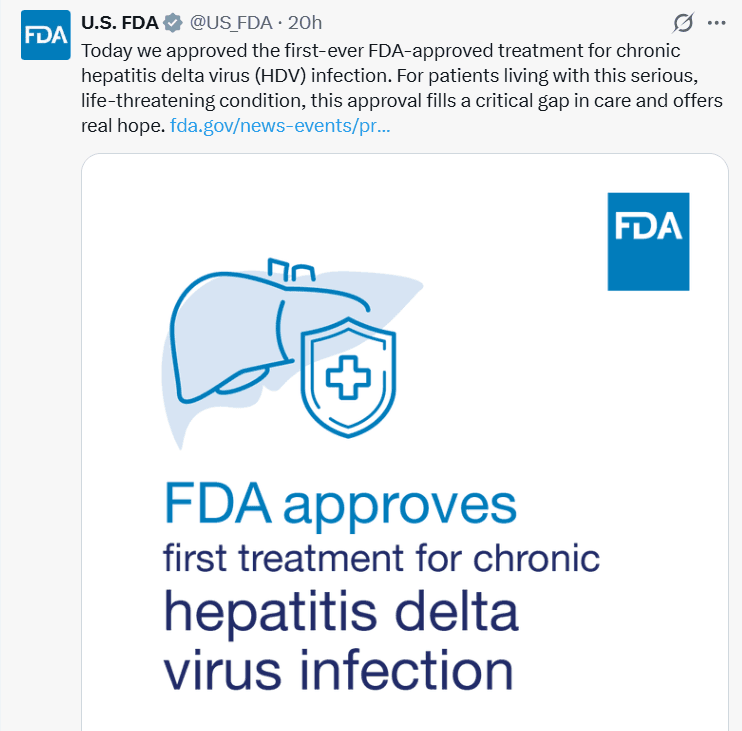
Gilead Sciences won U.S. approval for Hepcludex, giving people living with chronic hepatitis delta virus the first FDA-approved treatment for a liver infection that can progress to cirrhosis, cancer, organ failure and death. The drug, bulevirtide-gmod, was cleared for adults who do not have cirrhosis or who have compensated cirrhosis, a group that includes patients facing a disease seen only in people already infected with hepatitis B.
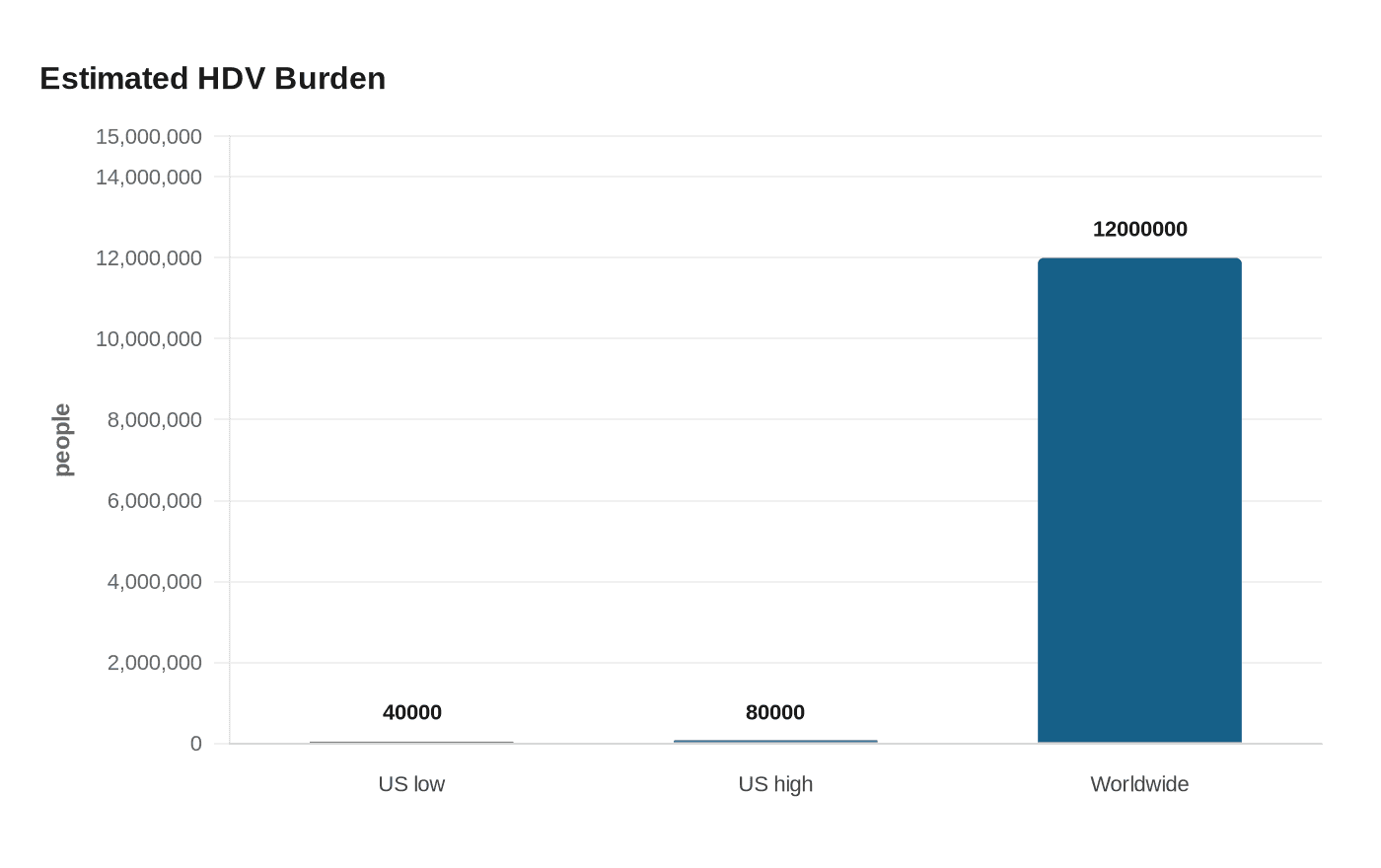
The public-health stakes are high even though the infection is uncommon. The Centers for Disease Control and Prevention says hepatitis D is rare in the United States and that the exact burden is unknown because testing and reporting are limited and uneven. Gilead estimates that 40,000 to 80,000 Americans are living with the disease. Worldwide, the World Health Organization says hepatitis D affects nearly 5% of people with chronic hepatitis B, or about 12 million people, and calls chronic HDV the most severe form of chronic viral hepatitis.

FDA official Wendy Carter said the clearance “fills a critical gap in care” for patients who had no approved option before this decision. The agency used its accelerated approval pathway and granted the drug an 8.5 mg dose, reflecting the seriousness of the infection and the lack of alternatives. The approval was based on a surrogate endpoint, a sign that regulators expect Gilead to finish longer-term studies to confirm the full clinical benefit.
In late-stage testing, about 48% of patients who received Hepcludex showed meaningful improvement after 48 weeks, compared with 2% in the delayed-treatment group. Gilead also said the virus became undetectable in some patients the longer they stayed on treatment. Its prior Phase 3 MYR301 data showed 36%, or 23 of 64 adults, maintained virologic suppression for almost two years after stopping the drug, underscoring why the follow-up study matters.
Hepcludex is a once-daily injection that works by blocking the virus from entering liver cells, slowing the spread of infection inside the liver. The FDA required a boxed warning because stopping treatment can trigger severe flare-ups of both hepatitis D and hepatitis B, especially in people with advanced liver scarring. The drug already received full European Commission marketing authorization in July 2023, after earlier conditional approval, and the U.S. decision now opens a new option for American specialists confronting a disease long underdiagnosed and undercounted.
This article was produced by Prism’s automated news system from verified source data, official records, and press releases, then run through automated quality and moderation checks before publishing. The system is built and supervised by the people who set the standards it runs under. Read our full AI policy.
Did this article answer your question?


