FDA push to phase out synthetic dyes faces natural color hurdles
Replacing synthetic dyes is proving harder than it looks: natural substitutes can be costlier, less stable and harder to source at industrial scale.

The federal push to strip petroleum-based dyes out of packaged food is running into a basic problem: the replacements do not behave like the ingredients they are meant to replace. Beet juice, turmeric, butterfly pea flower extract, gardenia blue, calcium phosphate and algae-based pigments can all help manufacturers move away from synthetic colors, but each brings its own limits on cost, stability, supply and performance.
On April 22, 2025, the U.S. Department of Health and Human Services and the Food and Drug Administration announced a national effort to phase out petroleum-based synthetic dyes from the U.S. food supply. The plan called for six remaining certified color additives, FD&C Green No. 3, Red No. 40, Yellow No. 5, Yellow No. 6, Blue No. 1 and Blue No. 2, to be eliminated by the end of 2027. The agencies also said they would begin revoking authorization for Citrus Red No. 2 and Orange B, and urged companies to remove FD&C Red No. 3 sooner than the 2027-2028 deadline previously in place.
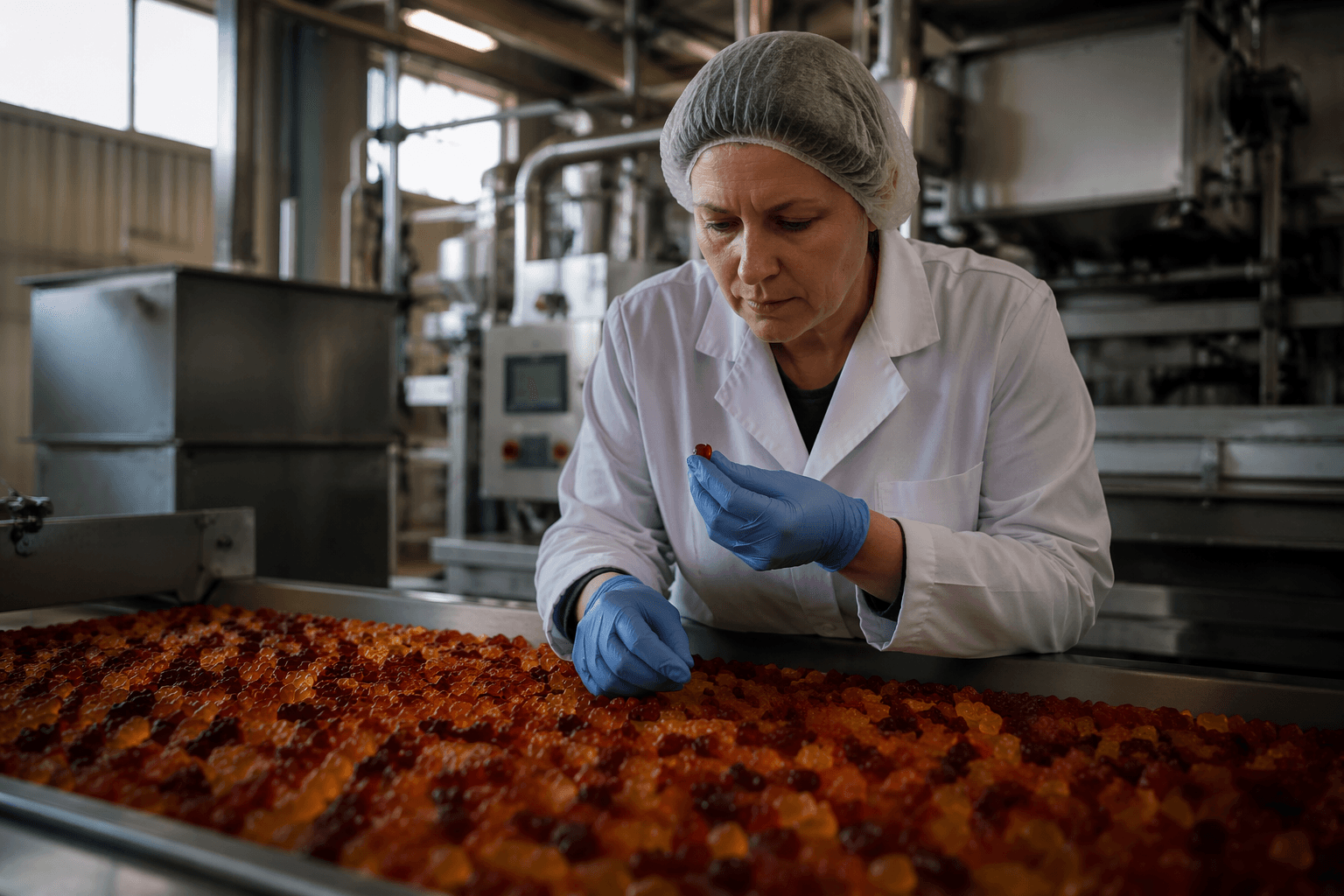
FDA has since tried to widen the menu. In May 2025, it approved three new color additive petitions from natural sources, Galdieria extract blue, butterfly pea flower extract and calcium phosphate, and also approved gardenia, or genipin, blue. The agency said butterfly pea flower extract can deliver bright blues, intense purple and natural greens, while gardenia blue was cleared for sports drinks, flavored or enhanced non-carbonated water, fruit drinks and ades, ready-to-drink teas, hard candy and soft candy. The point was not subtle: regulators wanted to expand the palette available to manufacturers and speed the shift away from petroleum-based dyes.
Even so, the rollout has been uneven. FDA said about 40 percent of the food industry had signed onto a voluntary phase-out after the April announcement, and its public tracker showed companies still reformulating products as of December 12, 2025. Big manufacturers including Nestlé, General Mills, Kraft Heinz and PepsiCo have already promised to move away from artificial dyes by 2027 at the latest, but the public commitment does not guarantee a smooth conversion across hundreds of products.
The scientific and industrial hurdles are more stubborn than the politics. Natural colors often have less toxicological data behind them than synthetic dyes, and sourcing enough material for mass production can be difficult. The FDA’s color additive process still requires petitioners to show safety and suitability, which means each replacement is reviewed ingredient by ingredient rather than through a blanket approval. Biotechnology firms are also exploring genetically programmed bacteria and yeast to produce more of the pigments.
The public debate has been building for years. A California Office of Environmental Health Hazard Assessment report on potential neurobehavioral effects in children, released on April 16, 2021, followed a September 2019 symposium and an August 2020 draft comment period. The report helped keep alive concerns about artificial dyes and children’s behavior, even as experts have said the evidence does not clearly show that synthetic dyes cause ADHD or other neurobehavioral conditions. In 2025, West Virginia became the first state to ban most synthetic food dyes, putting new pressure on Washington to set a national standard.
This article was produced by Prism’s automated news system from verified source data, official records, and press releases, then run through automated quality and moderation checks before publishing. The system is built and supervised by the people who set the standards it runs under. Read our full AI policy.
Know something we missed? Have a correction or additional information?
Submit a Tip