FDA warns Happiest Baby over unauthorized SNOO products and unsanitary conditions
FDA said Happiest Baby sold modified SNOO devices without required authorization and flagged mold, stains and unsanitary conditions that may have put infants at infection risk.
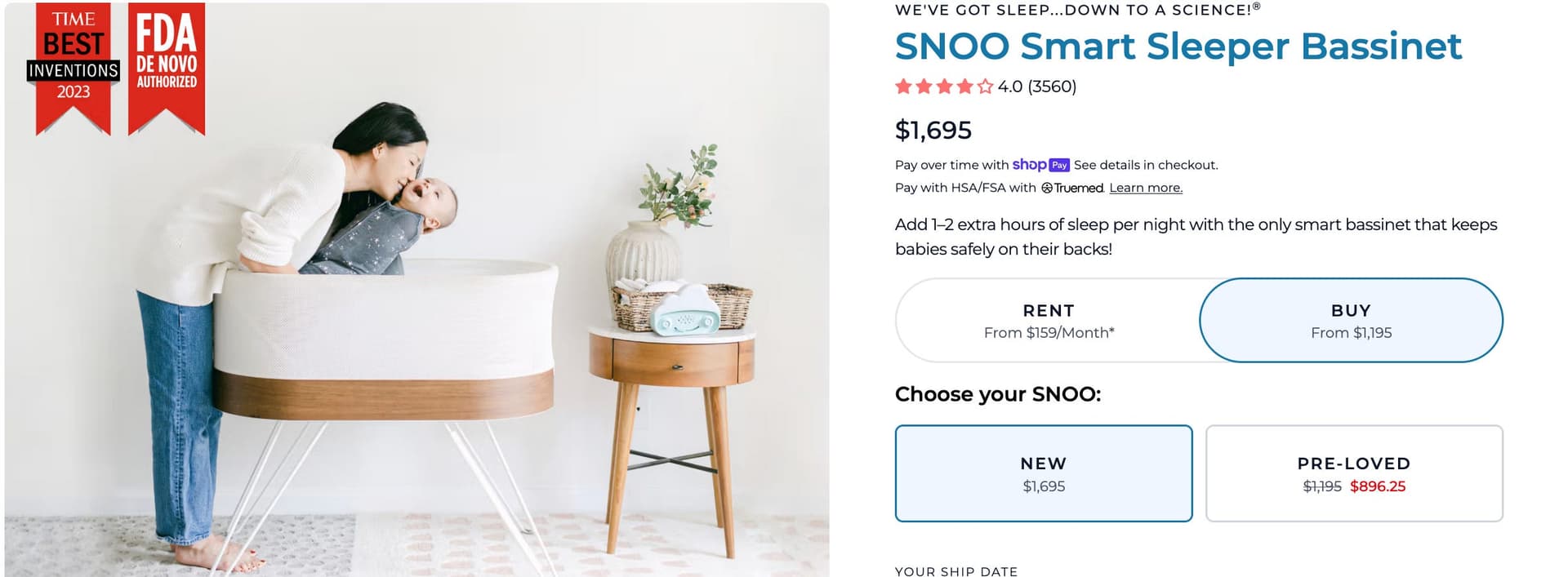
Federal regulators said Happiest Baby sold versions of its SNOO baby sleep system that were not properly authorized and cited sanitation problems that could have exposed infants to infection risk. The U.S. Food and Drug Administration warned the company over the SNOO Smart Sleeper and SNOO Hospital Bundle after inspecting its Los Angeles facility and reviewing responses from CEO Dr. Harvey Karp.
The warning letter, dated June 15, 2026, said FDA inspectors visited Happiest Baby’s Los Angeles site, at 11390 W. Olympic Blvd., Ste. 450, from July 21, 2025 through July 25, 2025. The agency said it had already received written responses from Dr. Karp on August 15, 2025 and February 26, 2026. FDA said the devices were adulterated and misbranded under federal law because Happiest Baby did not have an approved premarket approval application or investigational device exemption in effect for the devices as they were described and marketed, and because the company introduced modified devices into interstate commerce without submitting the required 510(k) information.
The agency also pointed to the SNOO Smart Sleeper’s original authorization under De Novo classification DEN210039, which covered home use by caregivers of infants from birth to 6 months old who were not yet able to roll over consistently. FDA said the SNOO Smart Sleeper bassinet and SNOO Sleep Sack were intended to help keep babies in a supine position during sleep, but the agency’s separate MedWatch notice said the X-Small and X-Large sleep sacks, along with the SNOO Hospital Bundle, had not been evaluated for safety and effectiveness by FDA.
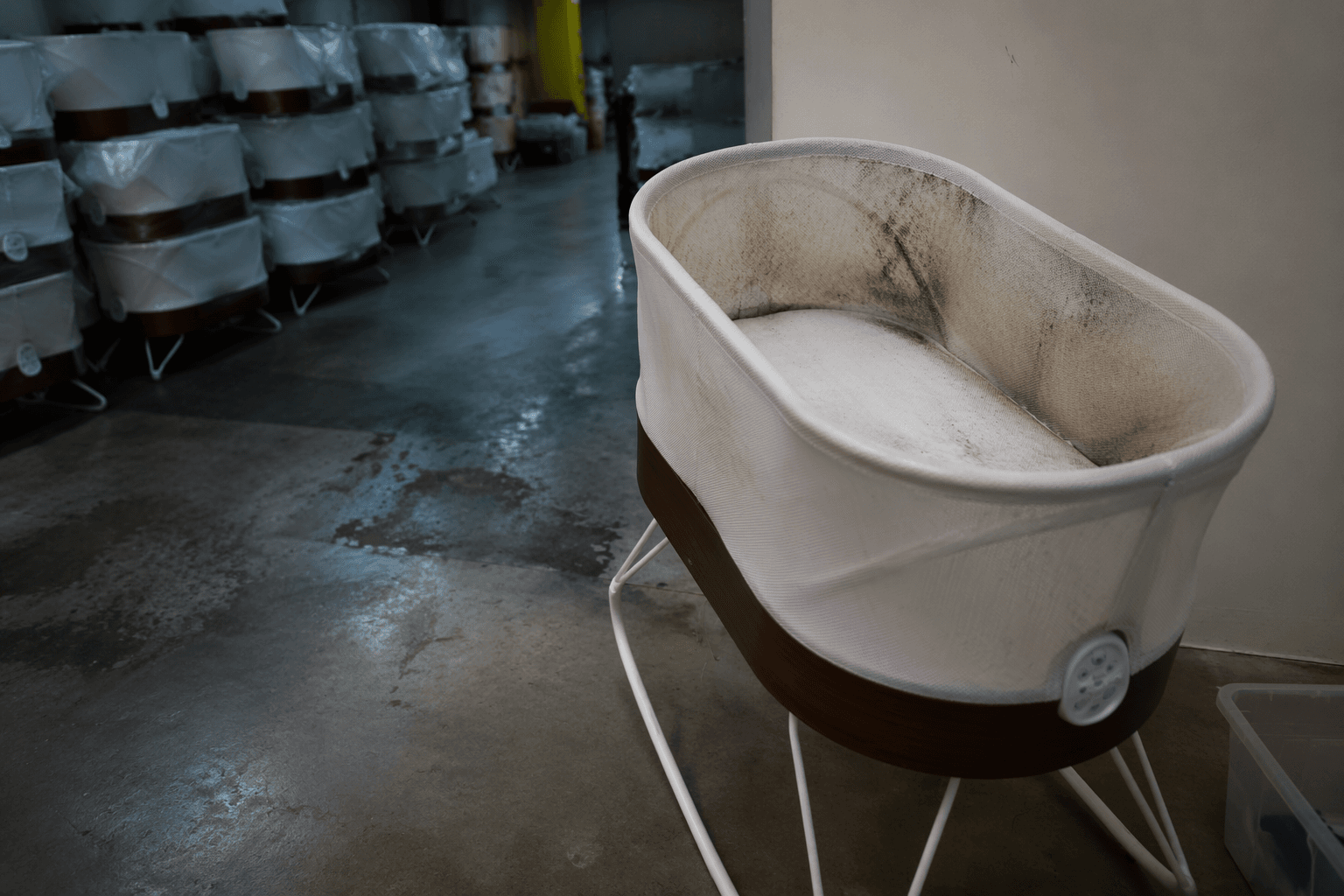
Sanitation was another focus of the warning. FDA said stains, soiling, unsanitary conditions and mold had been reported on refurbished SNOOs and on SNOO mattresses and mattress covers, and the agency said those conditions may pose an infection risk. That warning lands at a sensitive point for a product marketed to parents as a premium infant-safety device: it shows that even a widely promoted baby-tech product can draw enforcement action when the agency says changes have not been properly cleared and the physical condition of refurbished equipment has slipped below acceptable standards.
FDA said it posts warning letters publicly, but noted that the matters described in them can change if a company responds or takes corrective action. For parents, caregivers and health care providers, the message was plain: the agency said the product line had moved beyond the terms of its original authorization, and that the condition of some units raised fresh concerns about how closely the market for consumer baby devices is being watched.
This article was produced by Prism’s automated news system from verified source data, official records, and press releases, then run through automated quality and moderation checks before publishing. The system is built and supervised by the people who set the standards it runs under. Read our full AI policy.
Did this article answer your question?


