FDA warns of severe side effects from compounded hair loss treatments
A common hair-loss condition is fueling a booming market, even as the FDA flagged compounded finasteride after 32 reports of sexual and mental side effects.
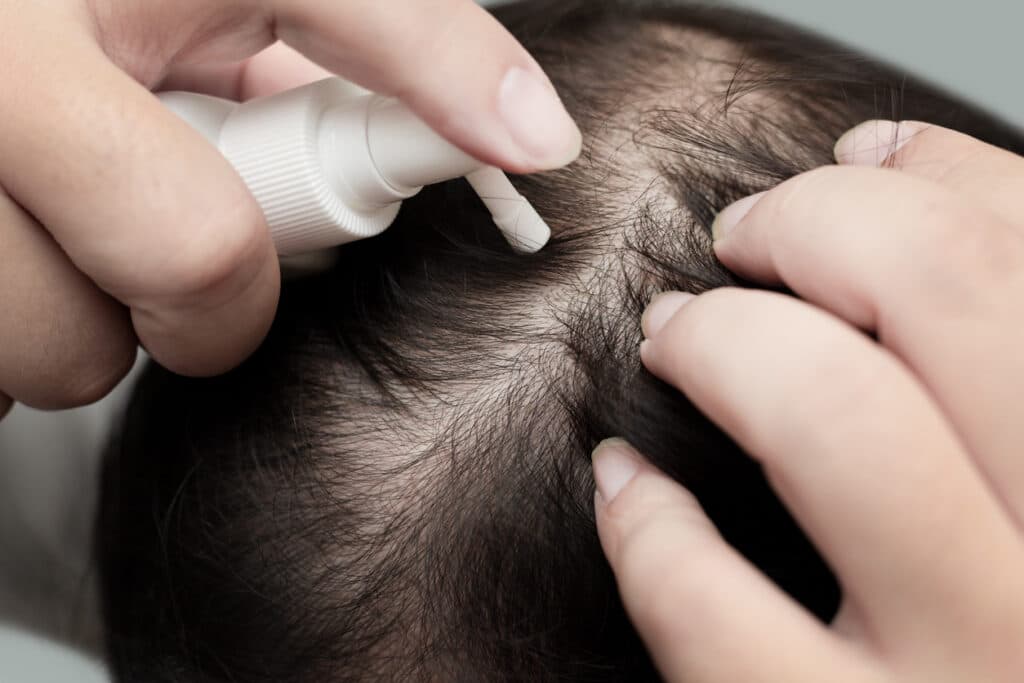
A receding hairline has become more than a cosmetic concern in America. The Food and Drug Administration warned in April 2025 about compounded topical finasteride products after receiving 32 adverse-event reports from 2019 to 2024, including erectile dysfunction, anxiety, suicidal ideation, brain fog, depression, fatigue, insomnia, decreased libido and testicular pain. The agency said some patients were told that using finasteride on the scalp meant there was no risk.
The warning lands in a country where male pattern hair loss, also called androgenetic alopecia, is the most common cause of hair loss worldwide. It can begin in the late teens or early twenties, although it usually appears later. By age 35, about two-thirds of American men will experience some degree of noticeable hair loss, and by age 50, approximately 85% will have significantly thinning hair. By 50, more than half of white men have visible signs of the condition, which often starts as a receding hairline or a bald spot at the top of the head.

The science is straightforward, even if the marketplace is not. Two FDA-approved first-line treatments for men are topical minoxidil and oral finasteride. Propecia, the 1 mg finasteride tablet, was FDA-approved for male pattern hair loss in men only in 1997, and the FDA says the finasteride drug class first received U.S. approval in 1992. Treatment tends to work better when it starts earlier, but that reality also creates urgency that marketers can exploit, especially when compounded versions are pitched as lower-risk alternatives.
The medical problem is usually benign, but the social burden can be heavy. Research reviews have linked hair loss to anxiety, depression, body dysmorphic symptoms and distress out of proportion to the physical change, with effects on self-esteem, social life and quality of life. The American Academy of Dermatology says hair loss can be hard to talk about and has built a Hair Loss Resource Center to help patients understand causes and treatment options.
That mix of stigma, demand and uncertainty has turned hair restoration into a growing business. The International Society of Hair Restoration Surgery said in its 2025 practice census that the average number of patients per member rose 20% since 2021, while nonsurgical patients increased 30%. The survey found that 95% of first-time surgery patients began hair restoration between ages 20 and 35. It also reported that women seeking non-scalp restoration rose to 21% from 17% in 2021, men rose to 18% from 13%, and 40% of members saw an increase in transgender hair transplants in 2024. The public health challenge is not hair loss alone, but a market that turns a common condition into a source of shame, spending and avoidable risk.
This article was produced by Prism’s automated news system from verified source data, official records, and press releases, then run through automated quality and moderation checks before publishing. The system is built and supervised by the people who set the standards it runs under. Read our full AI policy.
Did this article answer your question?