February Inflation Held Steady at 2.4% Before War Upended the Outlook
U.S. consumer prices rose 2.4% annually in February, but the calm arrived just before strikes on Iran sent energy costs soaring.
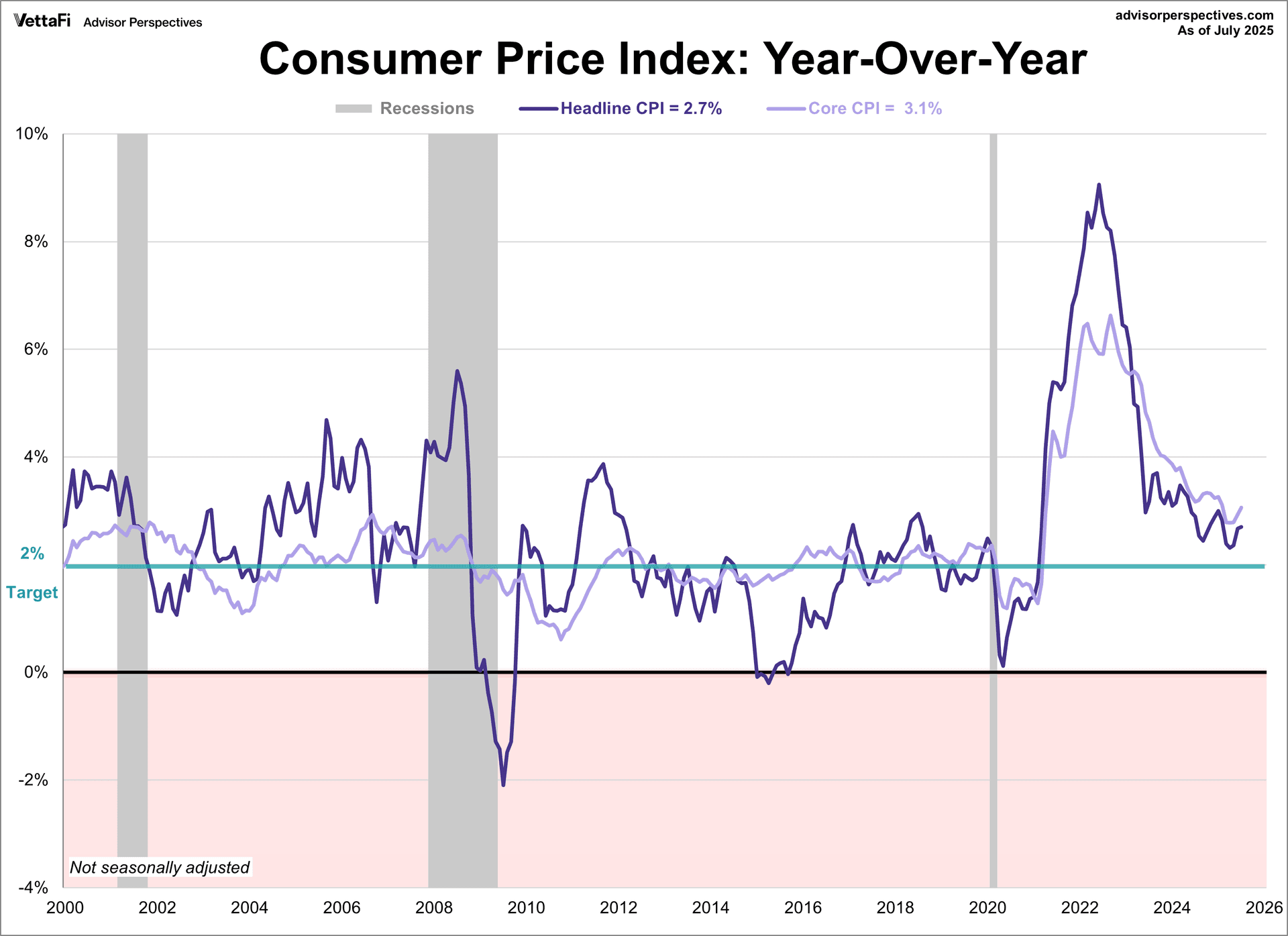
American consumer prices held steady in February, offering a brief window of inflation stability that economists now expect will not last. The Consumer Price Index rose 2.4 percent from a year earlier, matching January's annual increase, while prices ticked up 0.3 percent on a monthly basis. The data, released Wednesday, arrived with an asterisk that may prove historically significant: the figures were compiled entirely before U.S. and Israeli strikes on Iran began on the final day of the month.
The timing is everything. Energy prices had already rebounded modestly in February, with gasoline rising 0.8 percent after a 3.2 percent drop in January and the broader energy index climbing 0.6 percent over the prior month. Those gains now look like a prelude. Global oil prices have surged since the strikes began, and the February report captures none of that shock.
"February CPI readings as expected were subdued but given the disruption to energy supplies from the Iranian conflict the focus is on the extent and duration of the boost to inflation in the coming months," said Kathy Bostjancic, chief economist at Nationwide.
Within the February data, food was the most significant driver of monthly price increases. Food prices rose 0.4 percent for the month and 3.1 percent from a year ago. Grocery prices climbed 0.4 percent in February and are up 2.4 percent annually, while dining out remains notably more expensive, with food away from home running 3.9 percent higher than a year earlier.
Sectors most exposed to tariffs continued to register pressure. Appliance prices rose 3.1 percent in February and are up 2.9 percent year-over-year. Furniture prices were flat for the month but remain 4.2 percent higher than a year ago, reflecting import costs that built up before any tariff adjustments took effect.

The Federal Reserve will take little comfort and little alarm from the report. The data are unlikely to change the central bank's calculus that there is no urgency to cut interest rates. After a series of reductions between September and December, the Fed has held its benchmark rate steady at a range of 3.5 to 3.75 percent since January, and officials are widely expected to extend that pause when they vote on policy next week.
The White House moved quickly to claim the numbers as a validation of economic policy. Spokesperson Kush Desai said, "The American economy is strong and once we are past temporary disruptions from Operation Epic Fury, we will see even greater economic progress."
Markets will likely treat the February reading less as reassuring news and more as a pre-conflict baseline against which coming months of price data will be measured. The energy price surge that followed the strikes on Iran was not present in any of the February figures, and its full transmission through gasoline, shipping, and manufacturing costs will only begin to appear in March and April data.
The February report, in other words, may represent the last clean read on American inflation for some time.
This article was produced by Prism’s automated news system from verified source data, official records, and press releases, then run through automated quality and moderation checks before publishing. The system is built and supervised by the people who set the standards it runs under. Read our full AI policy.
Did this article answer your question?