February jobs report cuts 92,000 jobs as Democrats pin blame on Trump
Employers cut 92,000 jobs and unemployment rose to 4.4 percent, prompting Democrats to fault President Trump while Republicans offered alternate explanations ahead of the midterms.
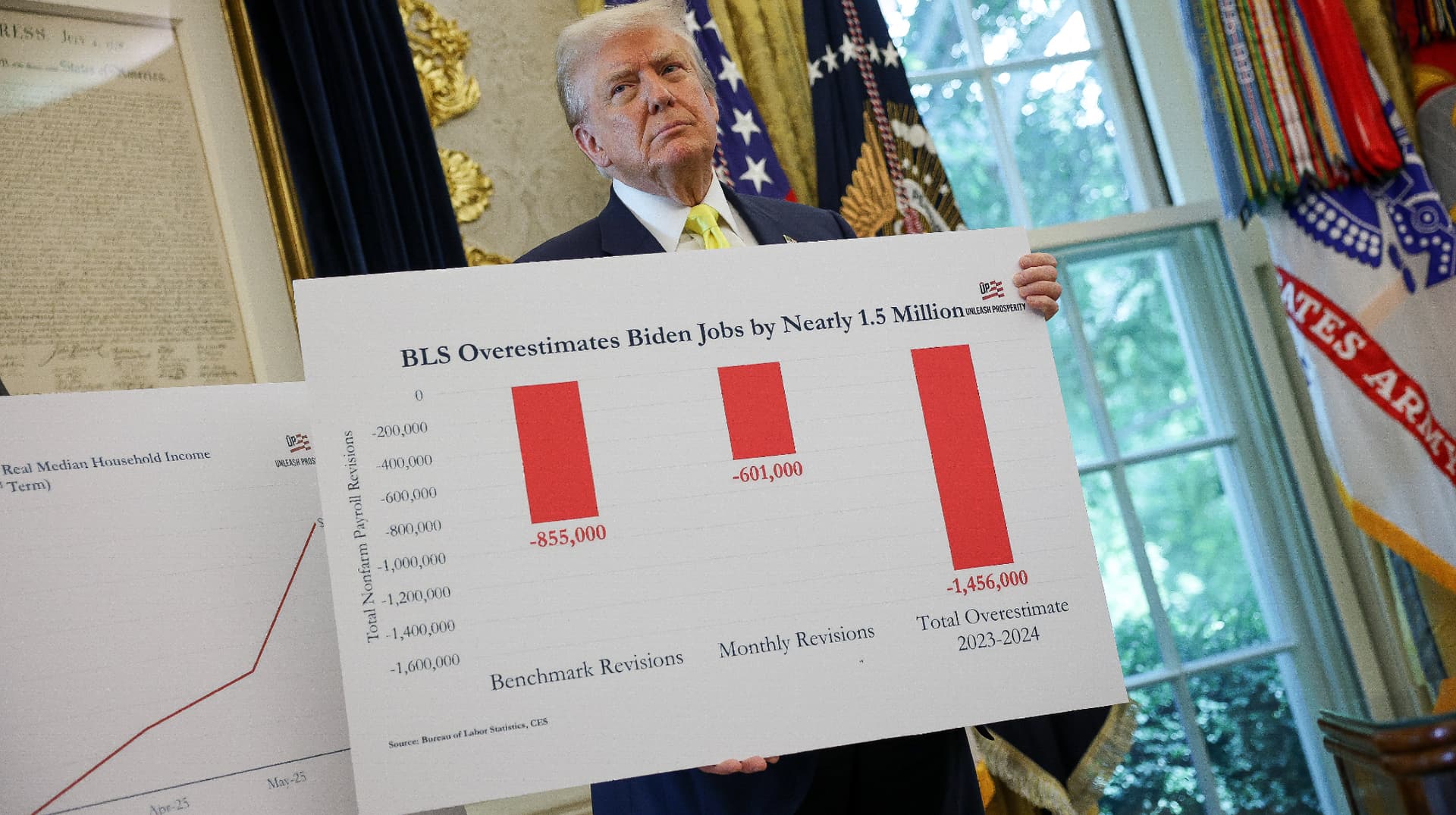
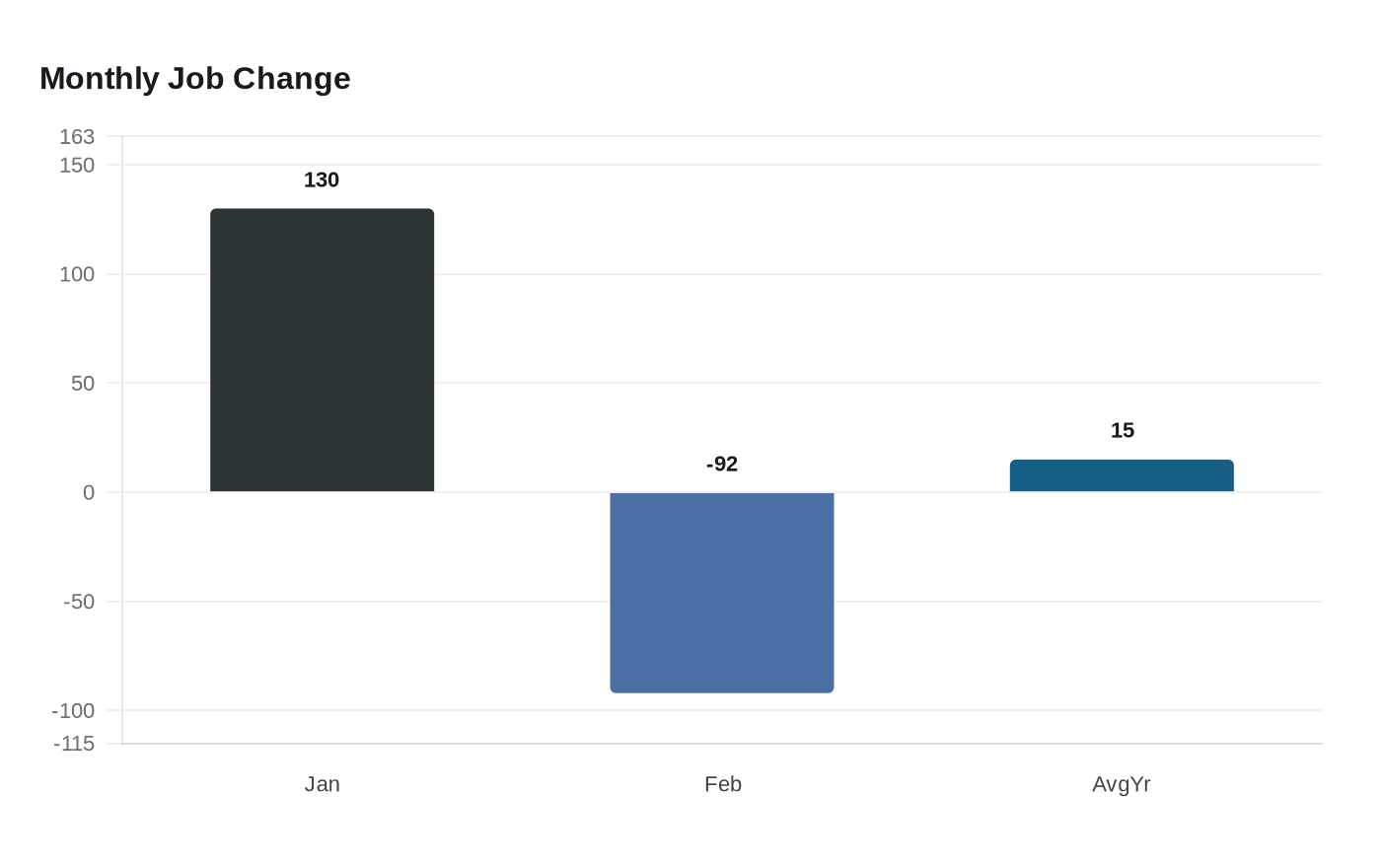
Employers cut 92,000 jobs in February, the Labor Department reported, and the unemployment rate rose to 4.4 percent, igniting a sharp partisan fight over who is responsible for a stalling labor market just months before the 2026 midterm elections.
Democrats immediately foregrounded what they called the real-world toll of the weak numbers. Senator Kirsten Gillibrand said, “Today’s jobs report underscores the complete wreckage of Trump and Republicans’ agenda. Their failed policies have led to job losses, higher prices and a weaker economy.” Senate Democratic leader Chuck Schumer warned the report was a “blaring alarm” and said the economy was teetering on the edge of recession and might soon “go over the cliff.” Rep. Hakeem Jeffries framed the loss in human terms, arguing that “costs haven’t gone down in the United States of America. Costs have gone up under failed Republican policies. Housing costs are out of control. Grocery costs are out of control. Healthcare costs are out of control. Utility bills are out of control. And childcare costs are out of control.”
House Democrats and allied critics also cited longer-term weakness and prior revisions to question the durability of the administration’s claims. Rep. Richard Neal said, “Beating expectations once doesn’t absolve the pain of the meager monthly average of 15,000 jobs created last year.” Rep. Don Beyer criticized White House messaging as inconsistent: “Trump and his team are simultaneously arguing that the jobs report was good, that it was bad but would get better after revisions, and that it was bad because the people who run the data analysis were biased against them. These things obviously cannot all be true, and in fact none of them are.”

The White House and Republican allies defended the broader record and advanced competing explanations. White House economic adviser Kevin Hassett argued the economy remains strong overall and blamed reduced immigration in part for the weak February figures. Karoline Leavitt, the White House press secretary, framed the administration’s agenda in growth terms, saying, “President Trump is implementing the most aggressive pro-growth agenda in our country’s history.” Other administration officials suggested data problems could be masking recovery; Treasury Secretary Scott Bessent suggested the data were faulty, and critics pointed to predictions by Commerce official Howard Lutnick that numbers might be more accurate following recent staffing changes at the Bureau of Labor Statistics.
The partisan back-and-forth comes against a backdrop of mixed economic signals. January’s report showed the economy added 130,000 jobs and inflation was running at a 2.5 percent year-over-year pace, figures cited by Republican-leaning outlets to argue that the economy retains strengths despite February’s reversal. Democrats countered that month-to-month variation and downward revisions undercut any single upbeat headline.
Foreign policy developments folded into the debate. Senator Schumer and other Democrats linked rising gas prices and economic strain to the conflict with Iran, noting prices had risen since the start of hostilities and that initial strikes on Feb. 28 preceded the February jobs losses.
Beyond the immediate numbers, the political implications are clear. Both parties cast the report as central to the midterm narrative: Democrats using it to press affordability and labor concerns, Republicans using alternate explanations to defend stewardship of the economy. For communities already strained by rising housing, food and healthcare costs, the February report has sharpened anxiety about near-term household finances and the priorities that will dominate Washington in the run-up to November.
This article was produced by Prism’s automated news system from verified source data, official records, and press releases, then run through automated quality and moderation checks before publishing. The system is built and supervised by the people who set the standards it runs under. Read our full AI policy.
Did this article answer your question?