Fed Cuts Rates in Divided Vote, Signals Limited Easing Ahead
The Federal Reserve reduced its federal funds rate by a quarter percentage point on Dec. 10 in a contentious 9–3 vote, marking the third cut this year. The central bank signaled only modest additional easing for 2026 as officials cited persistent inflation and mixed labor market signals, a stance that will shape borrowing costs and markets into the coming year.
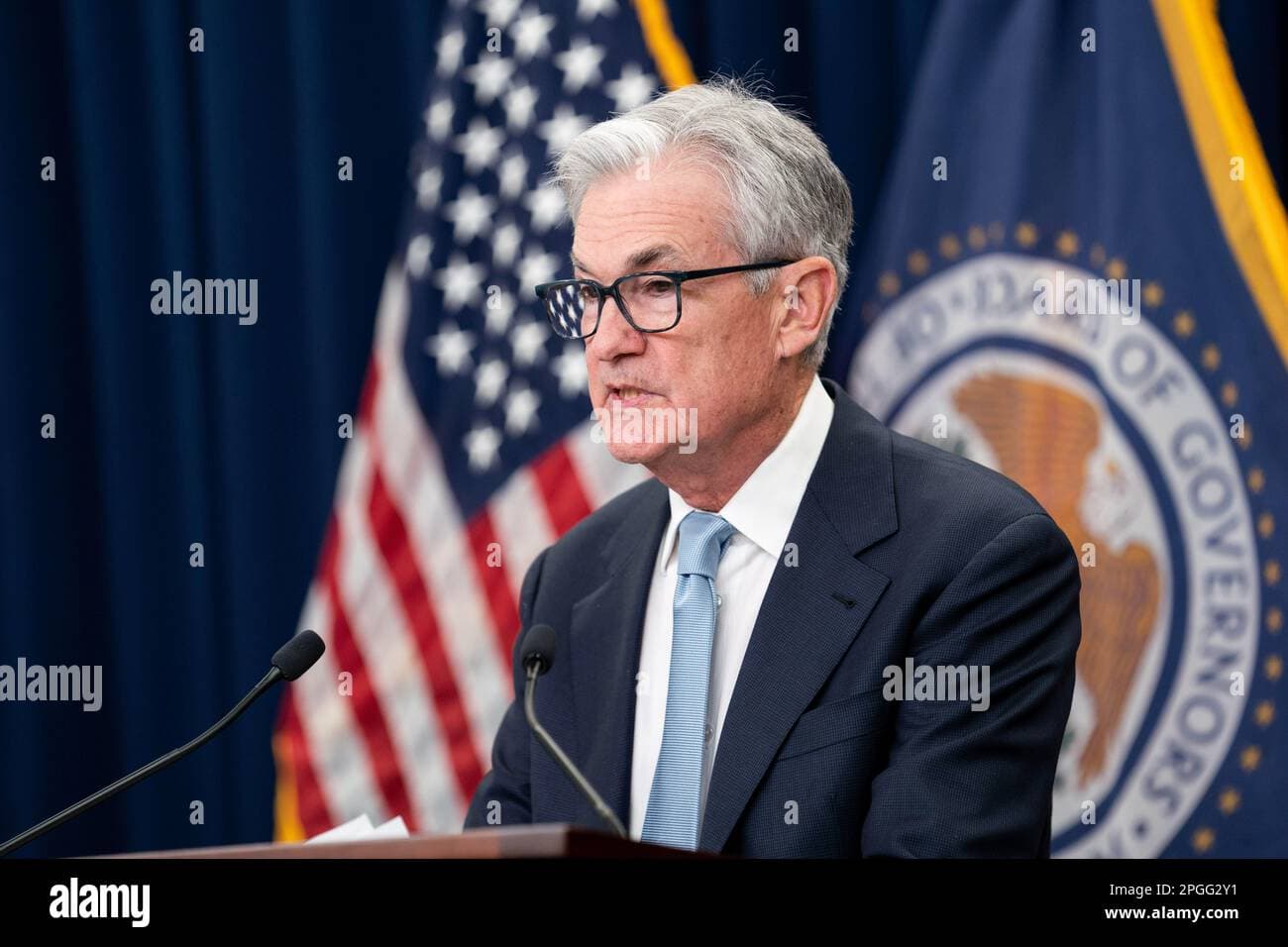
The Federal Reserve voted to lower its benchmark federal funds rate by 25 basis points at its Dec. 10 meeting, continuing an easing cycle that included two earlier cuts this year. The decision was unusually contentious, with the committee split nine to three, and came with forward guidance that officials expect only limited further reductions in 2026.
The final tally underscored divisions inside the Federal Open Market Committee. Several outlets reported three dissents. NBC News identified the dissenters as Fed governor Stephen Miran, whom the outlet described as being on temporary leave from the White House, and regional presidents Jeff Schmid and Austan Goolsbee. Reporting suggested Miran preferred a larger half percentage point reduction while Schmid and Goolsbee favored maintaining the current rate. Other outlets similarly described an uncommonly divided panel and noted that such a number of dissents was the most since September 2019.
The Fed’s postmeeting guidance and dot plot painted a cautious path forward. The median projection in the committee’s dot plot included one additional quarter-point cut in 2026 and another in 2027, before the federal funds rate approaches a longer run level near 3 percent. That median path was unchanged from the September projections, a signal that the committee is prepared to slow the pace of easing as it waits for clearer evidence from labor markets and inflation readings.
Officials explicitly cited persistent inflation and mixed labor market indicators as reasons for restraint. Reuters summarized the Fed’s message as emphasizing a likely pause in further reductions until policymakers see clearer signals that inflation is moving sustainably toward target and that employment trends do not reaccelerate. The Fed left its target range at its lowest level since late 2022 after three cuts this year, a shift intended to support growth while monitoring price pressures.

Markets and households will feel incremental effects. A quarter point reduction makes borrowing slightly cheaper for consumers with adjustable mortgages, credit card balances or those looking to refinance personal loans, but the Fed’s caution implies larger relief for borrowers is not assured. Reuters and other observers warned investors face an uncertain monetary policy outlook in 2026, complicated by persistent inflation, data gaps and an impending leadership transition at the central bank with Chair Jerome Powell’s term set to expire in May.
The decision has already drawn comment from political figures. White House economic adviser Kevin Hassett said there is "plenty of room" to cut rates further, while President Donald Trump called the move small and said it "could have been larger." The marginal nature of the guidance could heighten tensions between the Fed and the White House as debate over the appropriate policy path intensifies next year.
For now the Fed has extended easier financial conditions while signalling it will proceed cautiously, making upcoming employment and inflation data into critical arbiters of whether the committee resumes deeper easing in 2026.
This article was produced by Prism’s automated news system from verified source data, official records, and press releases, then run through automated quality and moderation checks before publishing. The system is built and supervised by the people who set the standards it runs under. Read our full AI policy.
Did this article answer your question?