Fed regulators seek easier bank rules without raising new risks
Fed regulators told Congress they can trim bank paperwork and still keep the system safe, but the next fight is over how far the rollback goes.
Federal banking regulators opened a new front in the long fight over post-crisis rules on June 4, telling lawmakers they wanted to make supervision less punitive without inviting the kind of risk that followed the 2008 collapse. The House Financial Services Committee heard from Michelle Bowman of the Federal Reserve, Jonathan Gould of the Office of the Comptroller of the Currency, Travis Hill of the Federal Deposit Insurance Corporation and Kyle Hauptman of the National Credit Union Administration in Room 2128 of the Rayburn House Office Building, at a session titled Oversight of Prudential Regulators.
The hearing was more than a routine oversight appearance. A committee memo pointed to Section 1108 of Dodd-Frank, which created the Fed vice chair for supervision post and requires that official to testify before the committee twice a year, underscoring how closely Congress still watches the central bank’s bank-supervision arm. The broader message from the witnesses was that they see room to lighten the load on banks without abandoning safety and soundness.
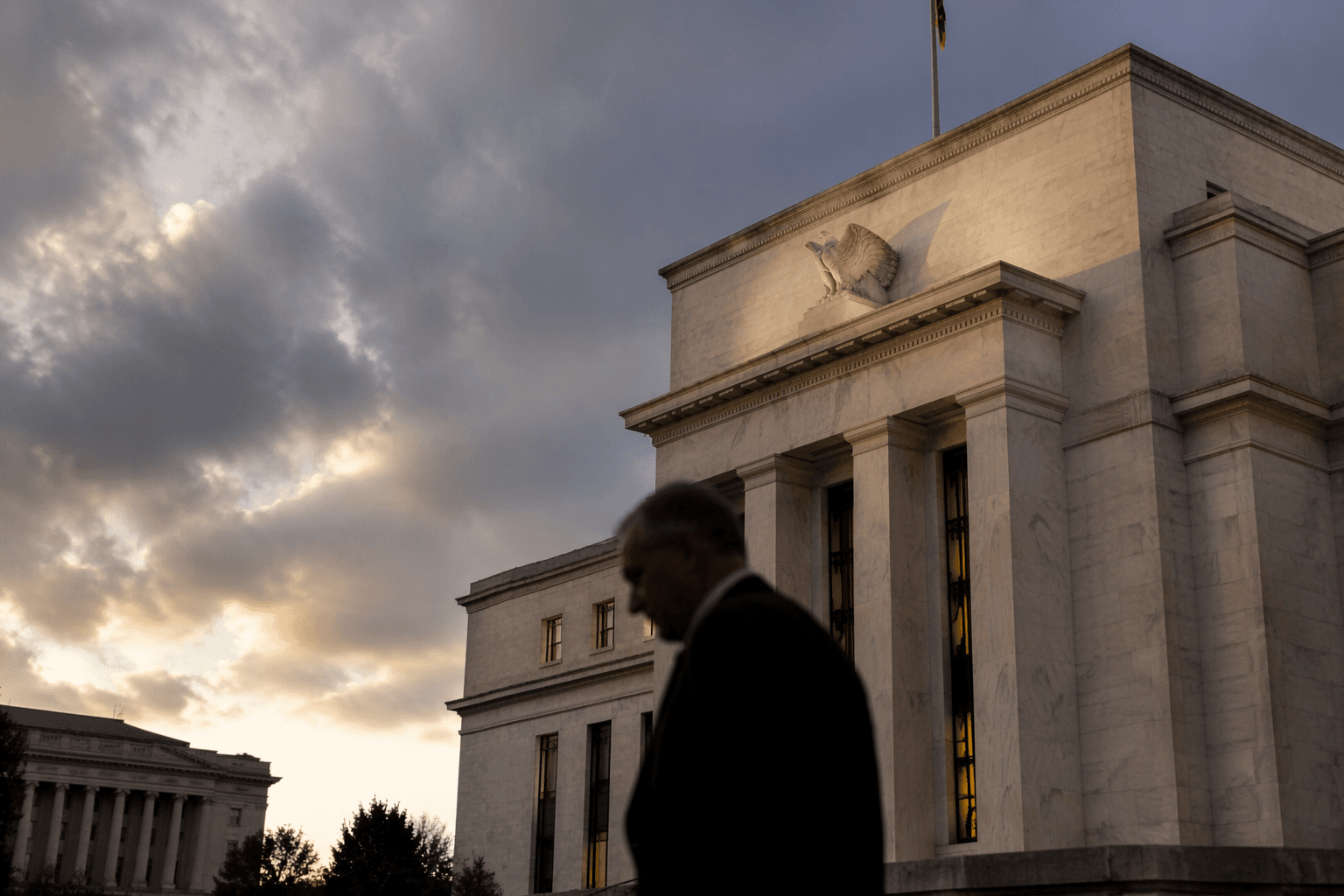
Bowman said the banking system remained sound and resilient, with strong capital ratios, significant liquidity buffers and lending growth, while delinquencies had risen slightly but stayed within historical averages. She said her testimony would cover current banking conditions, reforms since the committee’s last prudential-regulator hearing and the path forward for promoting stability while supporting economic growth. She also warned that nonbank financial institutions were taking a growing share of the lending market and that frontier AI models were speeding the identification of cyber vulnerabilities across critical infrastructure, including banking.
Hill said the FDIC had spent more than a year shifting supervision away from process-driven, check-the-box demands and toward material financial risks. He said the FDIC and OCC had proposed in October 2025 a rule to define “unsafe or unsound practice” and a “matter requiring attention,” and that the agencies were working to finalize it in the coming weeks. Hill also said the FDIC had begun a lookback review of outstanding MRBAs and supervisory recommendations to make sure they fit the revised approach.
Gould said the OCC should facilitate, not stymie, responsible innovation, including blockchain technologies and artificial intelligence. The OCC said on June 2 that it had removed additional references to reputation risk from supervision and had proposed revisions in May to the Uniform Financial Institutions Rating System.
The stakes go beyond paperwork. Banks have pressed for years for relief on capital, supervision and compliance costs, and the hearing suggested regulators are prepared to revisit which post-crisis guardrails still matter. At a December 2, 2025 hearing, Chairman French Hill had already endorsed tailoring rules by size, complexity and risk, while Bowman said community banks nearing the $10 billion threshold can be discouraged from growing by added supervisory burdens. The next banking fight now turns on how much amnesia lawmakers are willing to call modernization.
This article was produced by Prism’s automated news system from verified source data, official records, and press releases, then run through automated quality and moderation checks before publishing. The system is built and supervised by the people who set the standards it runs under. Read our full AI policy.
Did this article answer your question?

