Fed sets June 24 release for annual bank stress test results
The Fed will unveil 2026 bank stress-test results June 24, a key read on capital strength that could sway dividends, buybacks and market confidence.
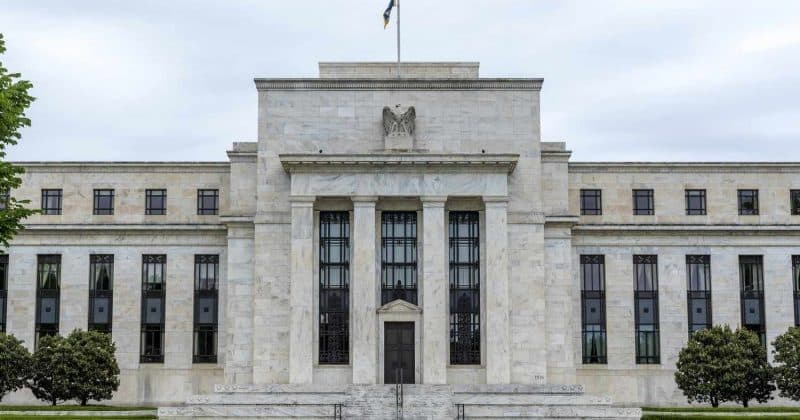
The Federal Reserve has set June 24 at 4 p.m. EDT for the release of its annual bank stress-test results, giving investors, lenders and regulators a fixed date for one of the most closely watched accountability tests in banking. The exam is designed to show whether large banks can absorb heavy losses and keep lending through a severe recession, a judgment that can influence how much cash banks return to shareholders and how confident markets feel about the financial system.
This year’s test covered 32 large banks and used a hypothetical severe global downturn with added pressure in commercial and residential real estate and in corporate debt markets. The scenario also assumed the U.S. unemployment rate would rise nearly 5.5 percentage points, reaching a peak of 10 percent, a blunt reminder that the exercise is built to probe how lenders would hold up under real economic strain rather than a mild slowdown.
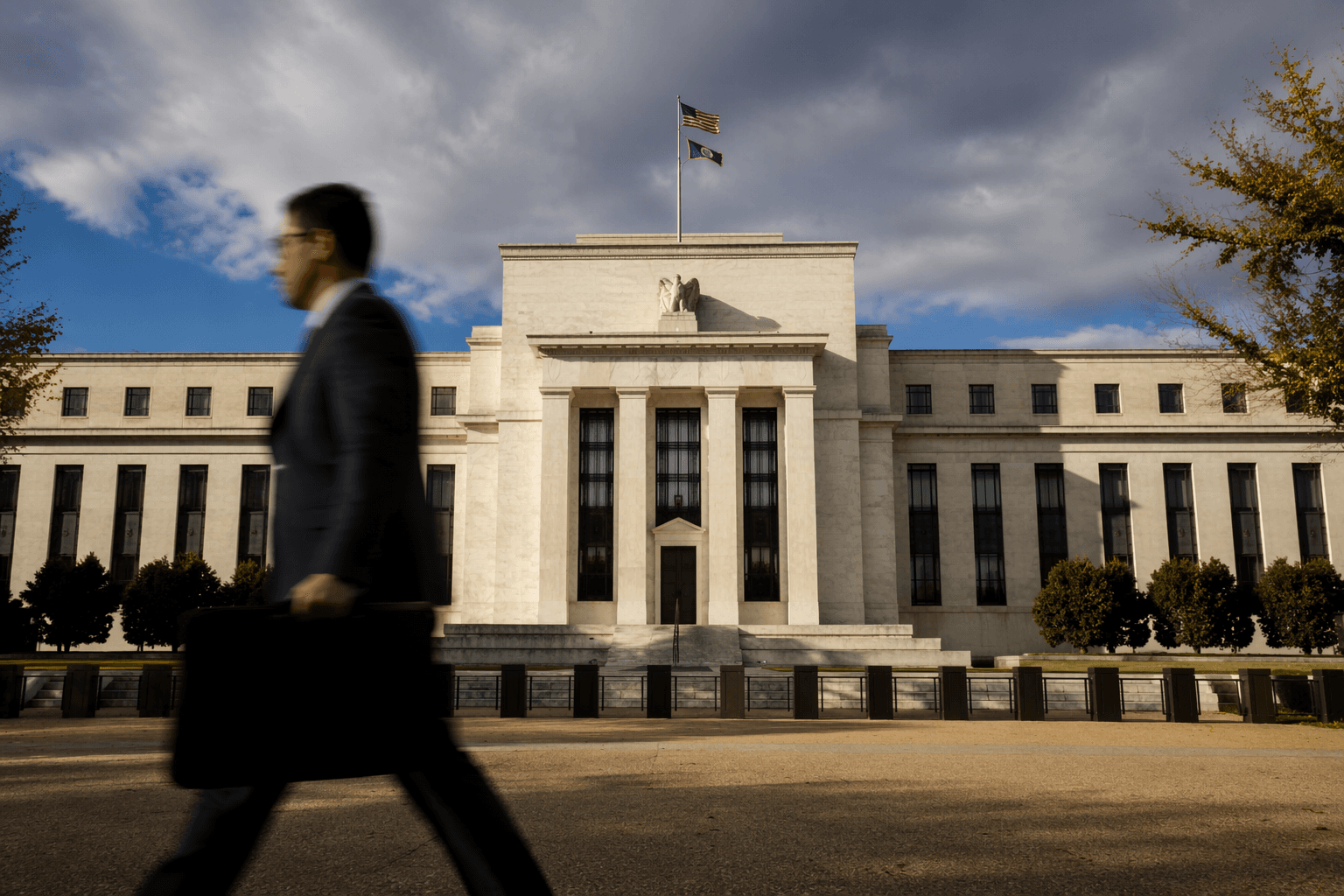
The Fed said the June 24 results will not change large-bank capital requirements this year, because regulators have frozen the capital-buffers framework while they revisit the models and methods behind the exercise. That separation matters. Banks and investors will get a clearer near-term picture of resilience, but the broader policy fight over how the tests are built, scored and used in regulation remains unsettled.
The annual release matters because the stress test is one of the Fed’s main tools for measuring how major banks would fare in a shock. The results can shape expectations for dividends and share buybacks, particularly at institutions that are already under scrutiny for commercial real-estate exposure, trading risks or thin capital cushions. A strong result tends to support confidence in bank balance sheets; a weaker one can quickly raise questions about whether management should conserve capital.
Last year’s exercise gave the industry a high bar to meet again. The Fed said the 22 large banks tested in 2025 were well-positioned to weather a severe recession, with enough capital to absorb nearly $550 billion in losses. Under that scenario, the aggregate common equity tier 1 capital ratio fell 1.8 percentage points, yet all 22 banks remained above their minimum CET1 requirements.
The 2026 release also lands as the Fed pushes ahead with a transparency overhaul, including plans to disclose more about its confidential models and how it constructs hypothetical downturns. Industry groups such as the American Bankers Association and the Bank Policy Institute have welcomed some of those changes while pressing for less discretion in scenario design and model changes. Some congressional Democrats, by contrast, have argued that the Fed is weakening the framework by making it more transparent.
Since the stress-test regime began in 2011 under the Dodd-Frank Act, it has served as a public test of bank resilience after the financial crisis. On June 24, the key signals to watch will be how the biggest banks hold up against commercial real-estate losses, corporate credit stress and the severity of the Fed’s recession assumptions, because those details will shape the next round of debate over capital, payouts and trust in the banking system.
This article was produced by Prism’s automated news system from verified source data, official records, and press releases, then run through automated quality and moderation checks before publishing. The system is built and supervised by the people who set the standards it runs under. Read our full AI policy.
Know something we missed? Have a correction or additional information?
Submit a Tip