Federal court blocks Alabama map that would cut Black voting power
A federal panel stopped Alabama from using a map that would have erased one of its two majority-Black districts, keeping Black voting power intact for now.
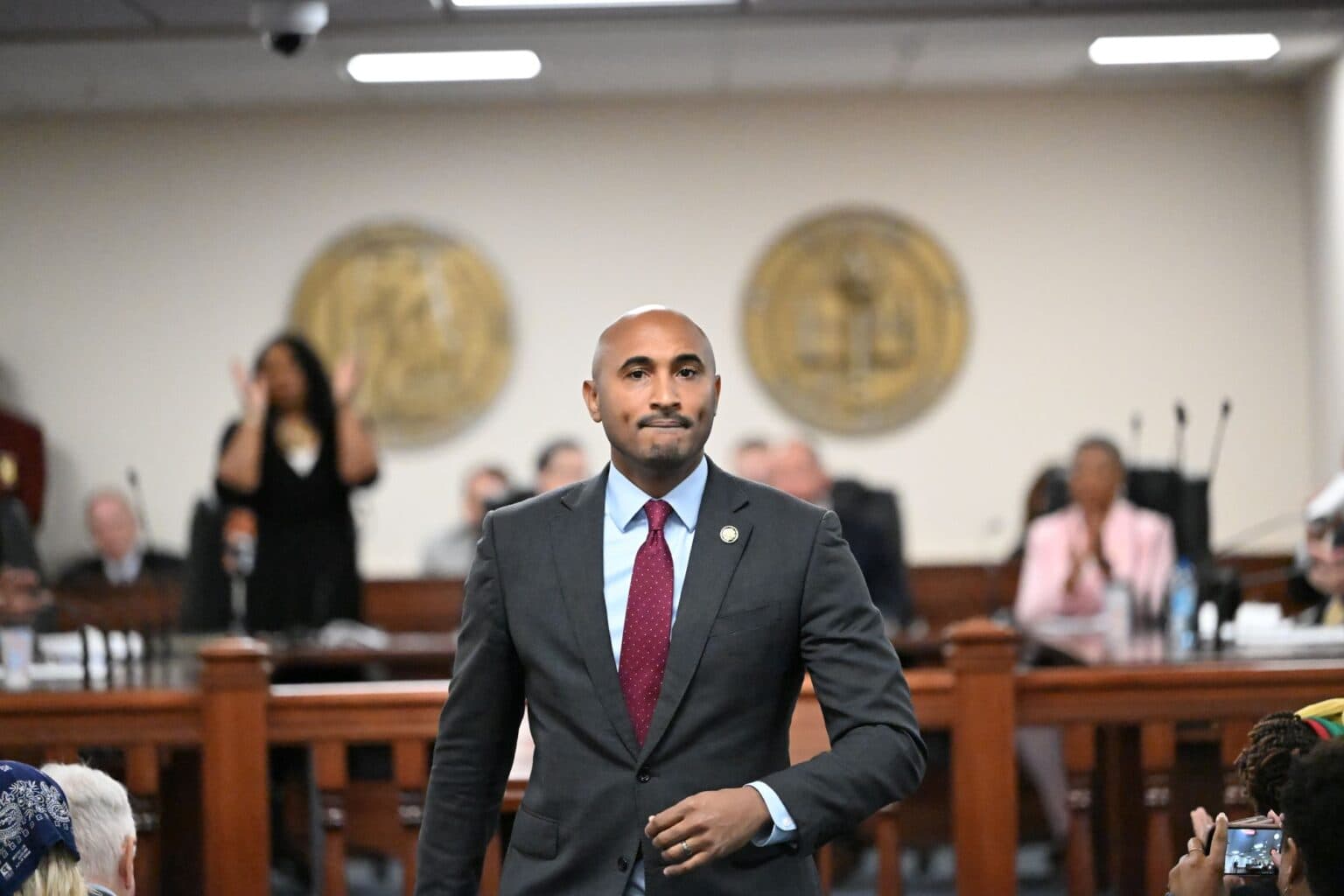
A three-judge federal panel blocked Alabama from using its 2023 congressional map in the 2026 elections, ruling that the plan intentionally discriminated against Black voters and was drawn to scatter Black communities across districts in order to weaken their influence.
The court ordered the state to keep using a remedial map with two majority-Black districts, including the 2nd Congressional District that elected Democrat Shomari Figures in 2024. In its ruling, the panel said the record supported only one inference: that the 2023 plan was designed to distribute Black voters across districts to dilute their votes, at least in part because they are Black. The judges rejected the state’s argument that partisan politics, not race, drove the map, saying that claim was unsupported by the record.
The decision halted an effort that could have stripped Alabama of one of its two largely Black House seats and given Republicans a better chance to pick up an additional congressional seat. It came after the U.S. Supreme Court on May 11 paused an earlier lower-court order that had required Alabama to use the two-majority-Black-district map, and after the court’s April Louisiana v. Callais ruling weakened Section 2 of the Voting Rights Act.
Alabama had already moved to prepare for a map change. Gov. Kay Ivey called a special session, lawmakers passed a law to void some results from the May 19 primary if needed, and the state scheduled new primaries for four U.S. House districts in August if the GOP-backed map survived. The panel’s ruling blocked that path, at least for now, and kept the remedial map in place while the legal fight continues.
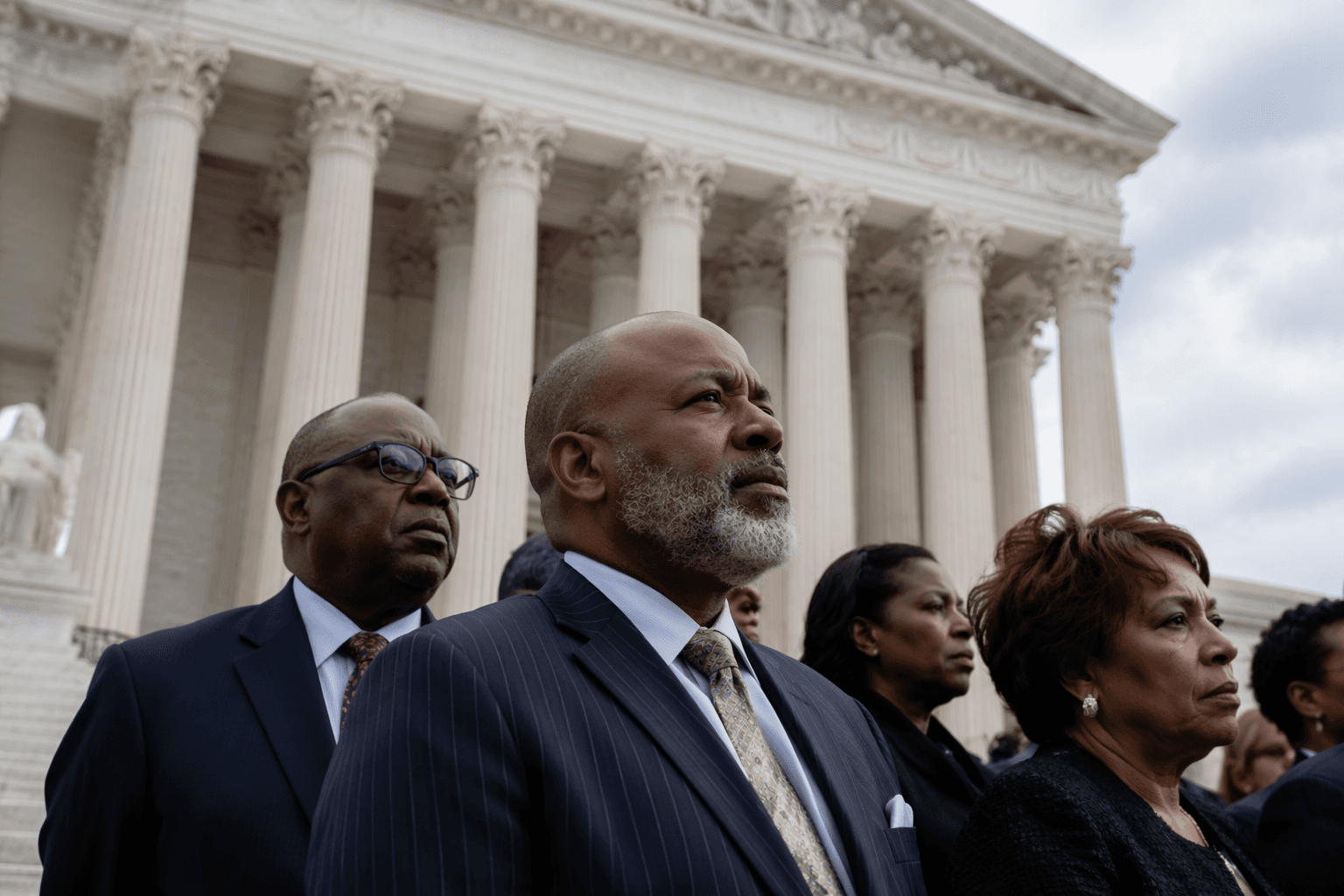
The case sits inside Alabama’s long redistricting saga and a broader Southern battle over how aggressively courts should police minority representation after recent Voting Rights Act fights. Black voters and civil-rights advocates have framed the dispute as central to whether Alabama can send a second Black representative to Washington for the first time and preserve political power in a state where more than one in four residents are Black.
The outcome also echoes across the region. Tennessee and Louisiana have each dismantled a majority-Black U.S. House seat, and South Carolina has been moving toward a plan affecting Rep. Jim Clyburn’s district. In Alabama, the stakes remain stark: whether Black voters will retain a meaningful voice in Congress or see that power further carved up by district lines.
This article was produced by Prism’s automated news system from verified source data, official records, and press releases, then run through automated quality and moderation checks before publishing. The system is built and supervised by the people who set the standards it runs under. Read our full AI policy.
Did this article answer your question?

