Federal Court Orders Removal of 84 Turbines, Upholds Osage Mineral Rights
A federal court has given a developer one year to dismantle an 84 turbine wind farm in Oklahoma after finding the project unlawfully used tribal mineral resources, a ruling delivered in litigation brought by the Osage Nation. The decision could force costly removals, prompt immediate appeals, and reshape how state and federal permitting processes account for tribal mineral sovereignty.
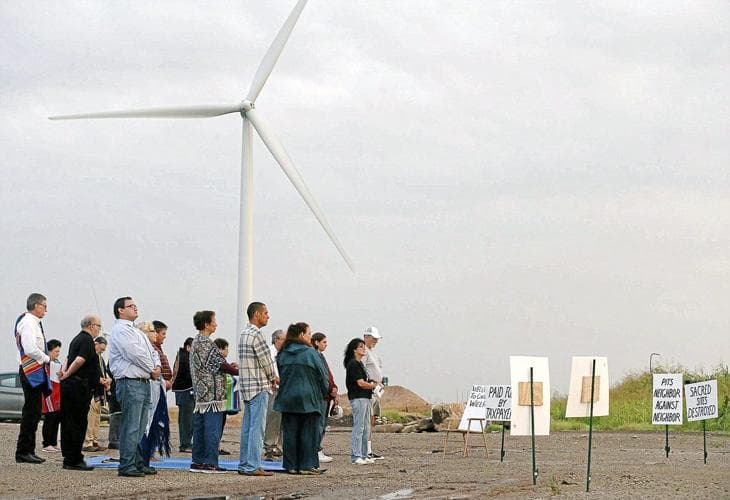
A federal court on Monday ordered the dismantling and removal of an 84 turbine wind farm in Oklahoma, giving the developer until December 1, 2025 to take down turbines and related infrastructure after finding that construction unlawfully used mineral resources belonging to the Osage Nation. The ruling concluded longstanding litigation initiated by the Osage Mineral Council, which argued that excavation and the use of subsurface material for turbine foundations violated the tribe's mineral rights.
The court’s directive does not merely require the physical removal of towers and concrete. It rests on a legal finding that the project exploited subsurface material that the Osage Nation contends is held under tribal mineral ownership and subject to its consent. The order underscores the legal principle that mineral rights can be distinct from surface rights, and that federal and state permitting practices must account for tribal claims to subsurface resources.
The developer and its contractors told the court that removal would cost hundreds of millions of dollars and involve substantial logistical challenges. The company has signaled plans to seek a stay of the order and to appeal the ruling. With the December 1 deadline effectively one year from now, the immediate procedural landscape is likely to include emergency filings, appeals to higher courts, and motions for stays while litigation continues.
Practically and financially the decision raises hard questions for the operator, lenders, insurers and the regional power grid. The court ordered removal of not only turbines but related site infrastructure, a scale of work that contractors warned would be materially expensive and time consuming. Those costs and complexities heighten the stakes for investors and highlight how legal uncertainty can swiftly transform a project widely framed as advancing renewable energy into a contested liability.

Beyond the parties before the court, the ruling has broader policy implications. It highlights gaps in how permitting authorities consult with and secure consent from tribal governments when projects involve excavation or reuse of subsurface materials. Legal scholars and industry observers say the decision could prompt reexaminations of permitting practices and contractual protections for developers working on or near tribal estates, especially for large scale renewable projects that rely on significant foundation work.
For the Osage Nation the judgment represents a judicial affirmation of authority over mineral resources and a potential precedent that could influence other tribal assertions of mineral sovereignty. For state and federal regulators the case presents an urgent governance question about aligning renewable energy goals with the legal rights of Indigenous nations.
With appeals likely and a stay request imminent, the coming weeks will determine whether the removal order is deferred and how courts will balance property, mineral and sovereignty claims against the economic and policy interests invested in renewable energy development. Observers say the case will be closely watched by developers, tribal governments and permitting agencies nationwide.
This article was produced by Prism’s automated news system from verified source data, official records, and press releases, then run through automated quality and moderation checks before publishing. The system is built and supervised by the people who set the standards it runs under. Read our full AI policy.
Did this article answer your question?