Federal God Squad Waives Environmental Protections for Gulf Oil Drilling
The rarely convened God Squad exempted Gulf oil drilling from endangered species rules, putting the Rice's whale, with only about 50 individuals remaining, at acute risk.
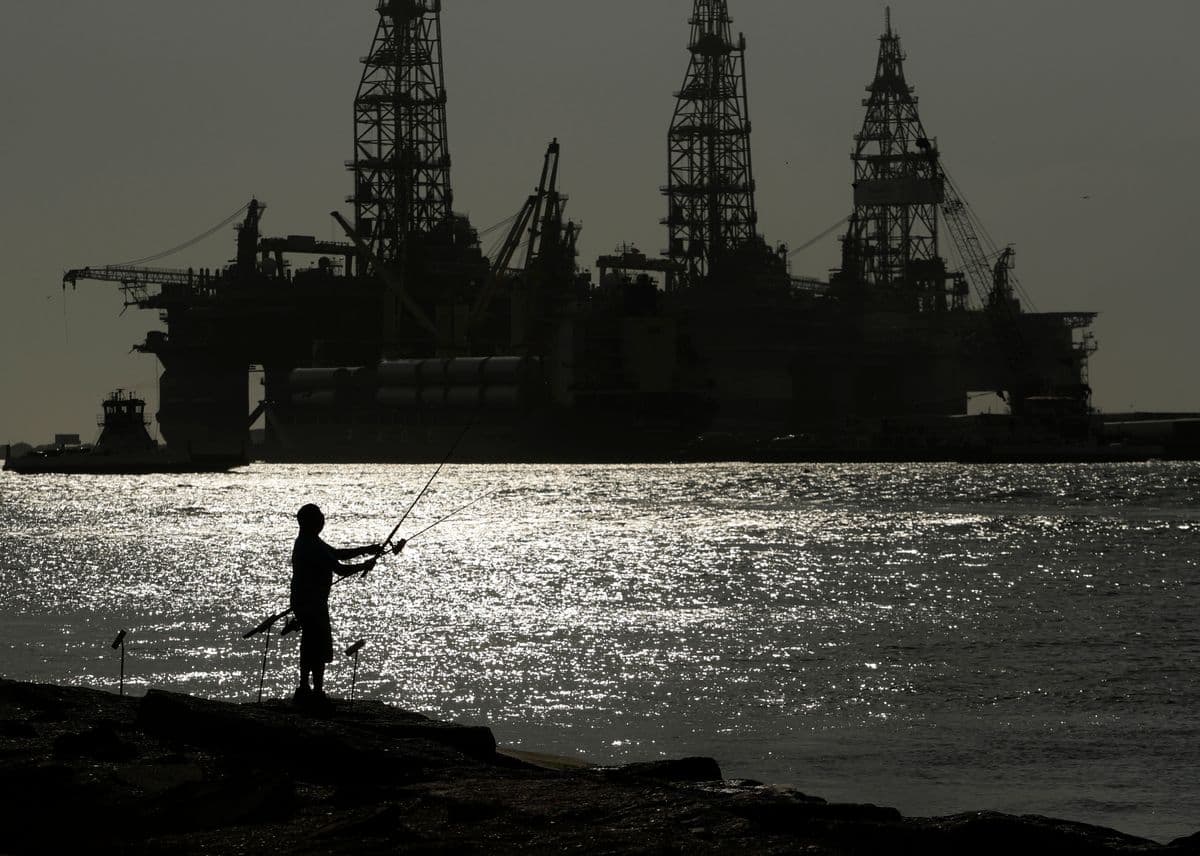
The federal Endangered Species Committee on Tuesday stripped Endangered Species Act protections from oil and gas drilling across the Gulf of Mexico, invoking a national security authority that has no direct historical precedent and overriding rules that shield species including the Rice's whale, which numbers only about 50 individuals.
The committee, commonly called the "God Squad" for its power to decide whether a protected species lives or dies, was created by Congress in 1978 and has completed action in only three cases in more than 40 years. Tuesday's meeting, chaired by Interior Secretary Doug Burgum, was the first time the panel had convened since 1992.
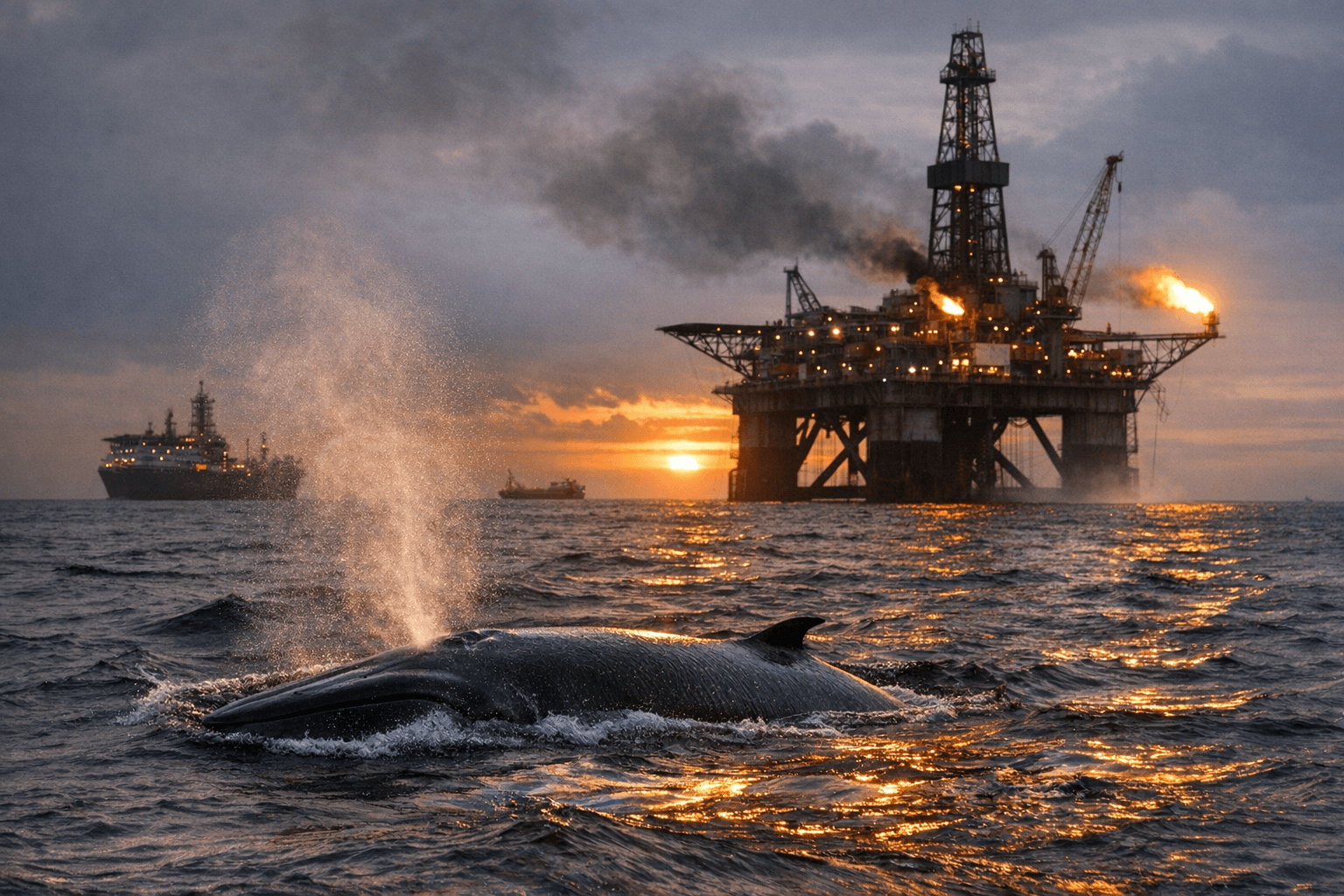
The Defense Department launched the process on March 13, when Defense Secretary Pete Hegseth notified Burgum that an exemption was "necessary for reasons of national security," according to a court filing from the administration. Government officials have not publicly disclosed the specific rationale, and experts say the administration must identify the precise military need that would endanger a species to legally justify such an exemption.
The scope of the waiver was disputed going into Tuesday's meeting. Interior's Federal Register notice did not specify which species or oil and gas projects would be affected. Legal filings reviewed by environmental groups indicated the administration sought an exemption covering all oil and gas exploration and drilling in the Gulf, potentially removing Endangered Species Act protections from every federally regulated fossil fuel operation in the region.
The environmental stakes are severe. Alongside the Rice's whale, Kemp's ridley sea turtles and other imperiled marine species face heightened risk under expanded drilling. A Gulf spill earlier this month spread 373 miles, contaminating at least six species and polluting seven protected natural reserves. The administration also rescinded guidance in February requiring oil and gas vessels to reduce speed in the western Gulf to avoid striking whales.
The Gulf's history of catastrophic accidents frames those warnings. BP's Deepwater Horizon blowout in 2010 killed 11 workers and spilled 134 million gallons of oil. In mid-March, the Trump administration approved BP's new $5 billion ultra-deepwater drilling project in the same waters.
The action came amid global oil shocks and soaring energy prices, with officials citing national security as justification but declining to specify how military necessity would put a particular species at risk. The Gulf accounts for more than 10% of crude pumped annually in the United States, and President Donald Trump has made expanded fossil fuel production a central priority of his second term, proposing sweeping rollbacks of environmental regulations and opening new areas off the Florida coast to drilling.
Environmental groups sought to block Tuesday's meeting in court and failed. A judge who struck down the challenge suggested it was premature, since officials had not yet formally acted on the proposed exemption at the time of the ruling. Legal expert Farber, who studies ESA enforcement, warned the move signals something beyond any single species. "This is not just talking about a whale and the need for fossil fuels. It is just one more act in a political quashing of citizen involvement in statutory enforcement and protection of public values," he said. Further litigation is widely expected.
The committee once declined to waive protections for the snail darter fish, though the dam that threatened it was ultimately built; the fish survived and was removed from the ESA list in 2022. Tuesday's action, grounded in undisclosed national security claims with no comparable precedent, is a far more sweeping exercise of a power Congress never intended for routine use.
Sources:
Know something we missed? Have a correction or additional information?
Submit a Tip