Federal judge blocks bid to strip legal status from 8,400 parolees
A judge has paused the Trump administration's move to end humanitarian parole protections for more than 8,400 family-reunification parolees, averting immediate legal and health disruptions.
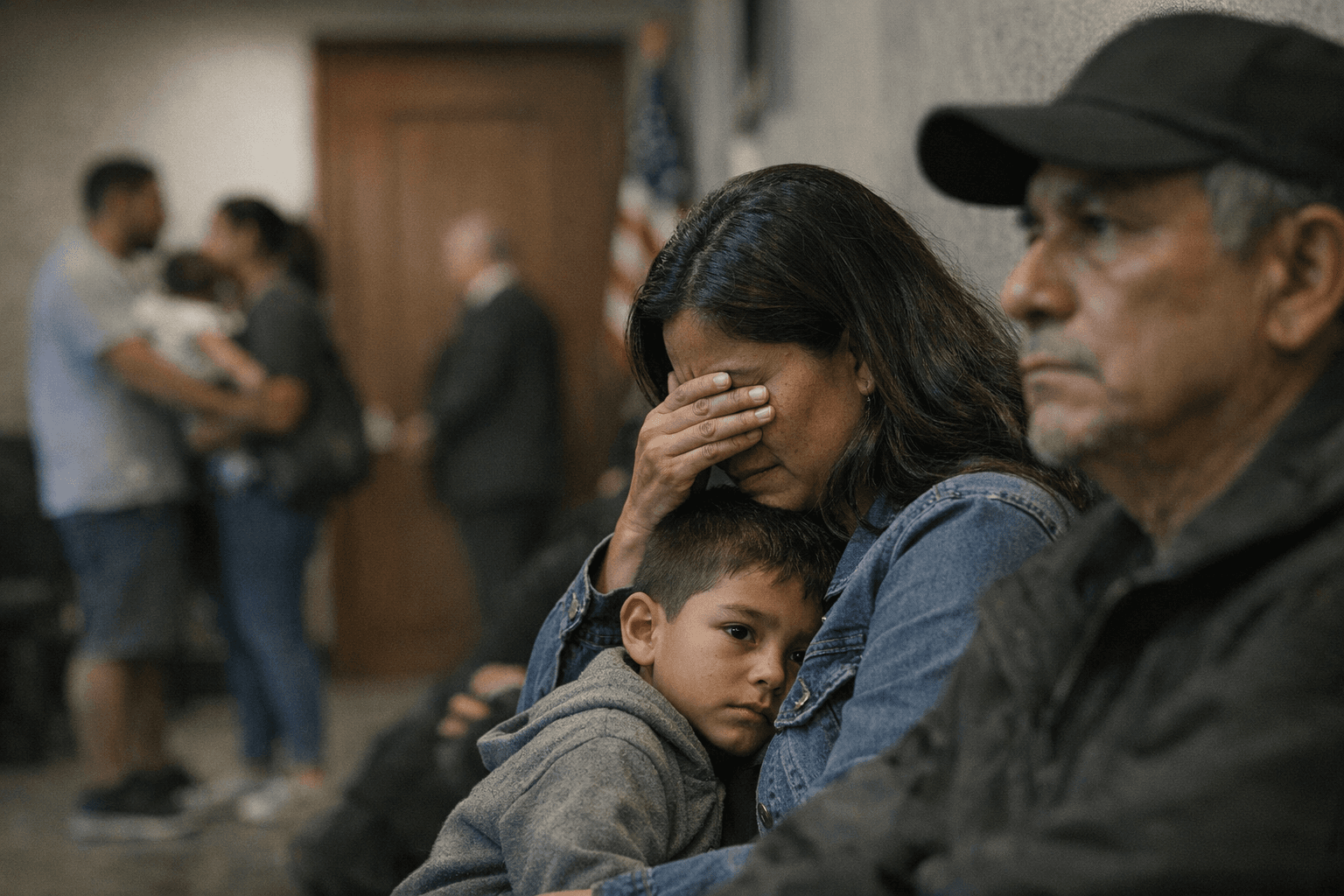
A U.S. federal judge has issued a preliminary injunction blocking the Department of Homeland Security from terminating humanitarian parole-based legal status for more than 8,400 people admitted under family-reunification parole programs from seven Latin American countries. The ruling halts an abrupt policy change that would have rescinded protections for families who entered the United States under programs intended to reunite them with relatives already here.
The injunction, handed down late Saturday, preserves the parole-based status and associated benefits for the named individuals while the underlying legal challenge proceeds. The order does not resolve the merits of the case, but it does pause the administration's attempt to remove legal safeguards that have allowed these families to live and work lawfully for months or years.
Humanitarian parole is an administrative status that permits temporary lawful presence in the United States for urgent humanitarian reasons or significant public benefit. For recipients admitted under family-reunification parole, the status often functions as the primary legal basis for remaining in the country and for obtaining work authorization. Termination of that status would have risked immediate loss of those protections and triggered a cascade of administrative and social consequences.
Public health authorities and community organizations have warned that stripping legal status from thousands of family members would have severe community-level effects. People with chronic illnesses who rely on continuity of care could face interruptions in treatment and medication, and families who gain access to preventive services through employer-sponsored insurance or state programs may lose that coverage. Mental health clinicians and child welfare officials have cautioned that sudden loss of legal status intensifies stress and trauma among already vulnerable populations, with secondary impacts on school performance and access to social services.
Local health systems and safety-net providers would likely confront increased demand as disenfranchised individuals turn to emergency departments and community clinics for care. Public health experts note that disruptive immigration actions can undermine vaccination efforts, chronic disease management, and public health outreach, particularly when populations fear interacting with official systems.
The injunction also has economic and labor implications. Many recipients employed under work authorization contribute to essential sectors, including food service, caregiving, construction, and retail. Revoking their authorization would disrupt household income, reduce workforce stability for employers, and shift the burden onto social support systems.
Beyond immediate practical consequences, the dispute highlights deeper questions about executive authority over immigration programs and the fragility of administrative protections that depend on shifting policy priorities. Advocates for immigrant rights have argued that reliance on temporary administrative mechanisms leaves families at the mercy of political changes and underscores the need for legislative pathways to permanent status.
The administration framed its move as part of broader immigration enforcement priorities, while opponents framed the attempt as a sudden reversal that would punish families who relied on official programs to reunite with relatives. With the preliminary injunction in place, the case will proceed through court, where judges will weigh statutory authority, procedural requirements, and the equities involved.
For communities and service providers that have built ties with parole recipients, the ruling offers temporary relief but not certainty. The injunction delays displacement and disruption for now, but it leaves open the larger policy question that has driven the legal fight: whether temporary humanitarian measures should be hardened into lasting protections or remain subject to executive discretion.
This article was produced by Prism’s automated news system from verified source data, official records, and press releases, then run through automated quality and moderation checks before publishing. The system is built and supervised by the people who set the standards it runs under. Read our full AI policy.
Did this article answer your question?

