Federal Judge Dismisses Kōloa Rum Suit Claiming Jones Act Raises Shipping Costs
A federal judge dismissed Kōloa Rum’s challenge to the Jones Act, preserving current shipping rules that keep costs higher for Hawaiʻi businesses and consumers.

A federal judge dismissed Kōloa Rum Company v. Noem, leaving intact the Merchant Marine Act of 1920, commonly known as the Jones Act, which requires shipping between U.S. ports be on U.S. built, owned and registered vessels crewed primarily by U.S. citizens. The ruling, issued Jan. 21, 2026, maintains a regulatory framework that local businesses say raises import and export costs for Hawaiʻi.
Kōloa Rum, a leading distillery on Kaua‘i, filed the constitutional challenge Feb. 25, 2025, with help from the Pacific Legal Foundation. The company argued the Jones Act violates the Port Preference Clause by discriminating against Hawaiian ports with higher shipping costs and limited options, and that it violates the Due Process Clause by infringing on its substantive right to earn a living. The suit sought to end the 105-year-old law to provide “equal footing among Hawaiian businesses and their competitors, and finally cast away one of the nation’s most egregious examples of economic protectionism,” the foundation said in its filing.
Chief Judge James A. Boasberg granted motions to dismiss brought by defendants including Kristi Noem, Secretary of Homeland Security, Matson Navigation Company, the American Maritime Partnership and the Maritime Trades Department of the AFL-CIO. In his opinion the court acknowledged Kōloa had cleared the threshold on standing but found the claims time barred and insufficient on the merits. “Although the standing inquiry is no pleasure cruise, the Court concludes that Plaintiff has cleared the threshold. The statute-of-limitations and merits waves, however, swamp Kōloa Rum’s craft. The Court will thus grant the Motion to Dismiss,” Boasberg wrote.
The practical shipping facts cited in the suit underline why residents and businesses on Kaua‘i paid close attention. Under the Jones Act no international vessels may serve Hawaiʻi directly, meaning Kōloa Rum must route exports through Los Angeles before shipments continue to places such as Australia. The company and its allies say the trip from Hawaiʻi to Los Angeles can cost nearly three times more than shipping from Los Angeles to Australia, and that many goods shipped to Hawaiʻi cost twice as much as in other states. Pacific Legal Foundation also said the U.S. domestic cargo fleet has shrunk to less than 100 ships and “The remaining ships largely exist to maintain a monopoly on shipping between the contiguous U.S. and ports in Alaska, Hawaiʻi and Puerto Rico.”
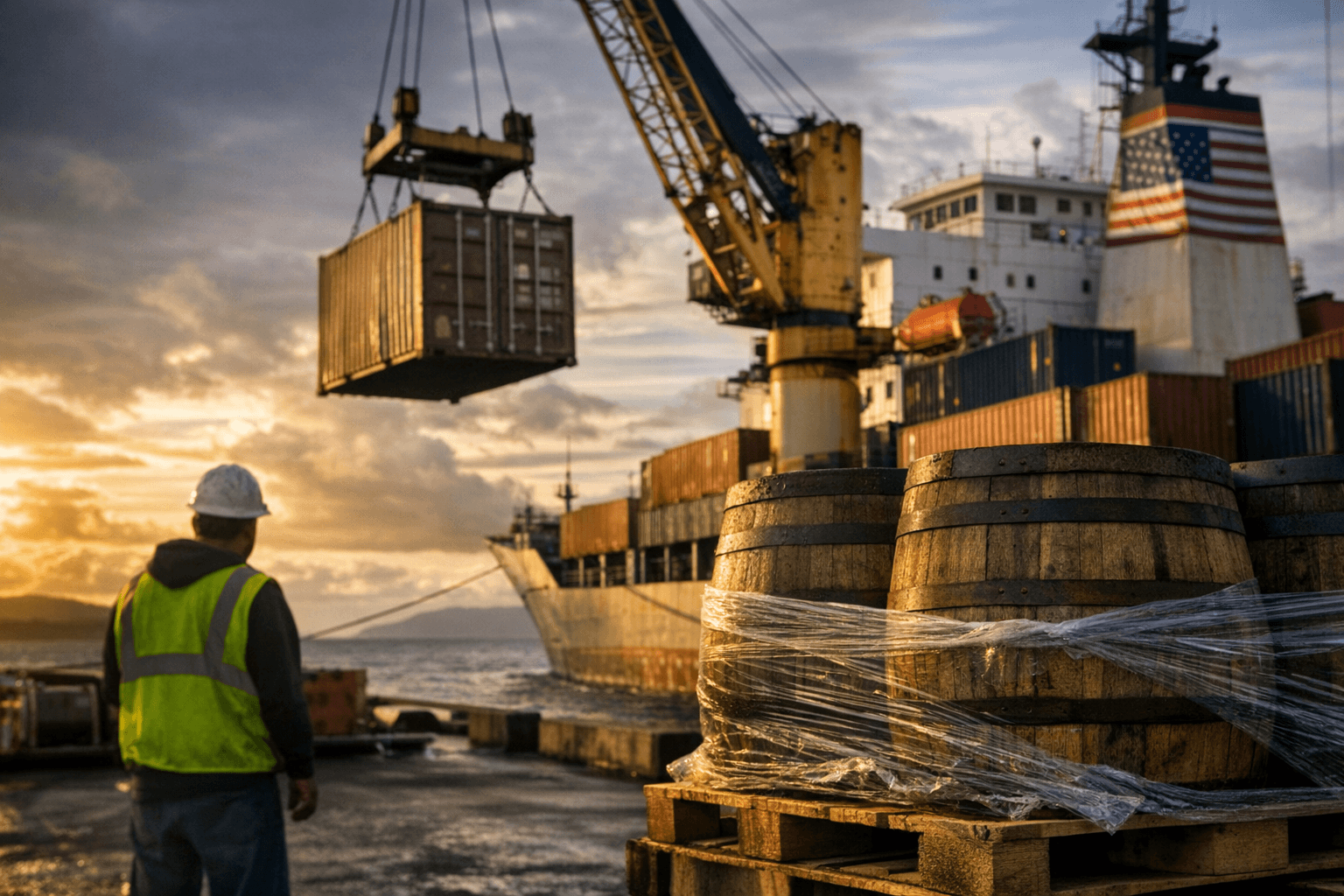
Supporters of the Jones Act, including military and Commerce Department officials, argue the law protects national security and American mariners, and the statute also preserves seamen’s rights under federal law. Legislative attempts to repeal or reform the law continue, including the Open America’s Water Act proposed in Congress.
For Kaua‘i residents the ruling preserves the status quo: higher input costs for local manufacturers and higher prices on many consumer goods. The dismissal removes an immediate judicial path to change but keeps open political and legislative options. If businesses or advocacy groups pursue appeals or fresh legislation, the debate over shipping costs and Hawaiʻi’s economic competitiveness will remain central to local policy discussions.
Sources:
Know something we missed? Have a correction or additional information?
Submit a Tip