Federal Judge Dismisses Proposed Class Action Against H&M in Missouri
A federal judge in Missouri dismissed a proposed class action that accused H&M’s Conscious Choice line of greenwashing, finding the brand’s language was qualified and not an unqualified sustainability claim.
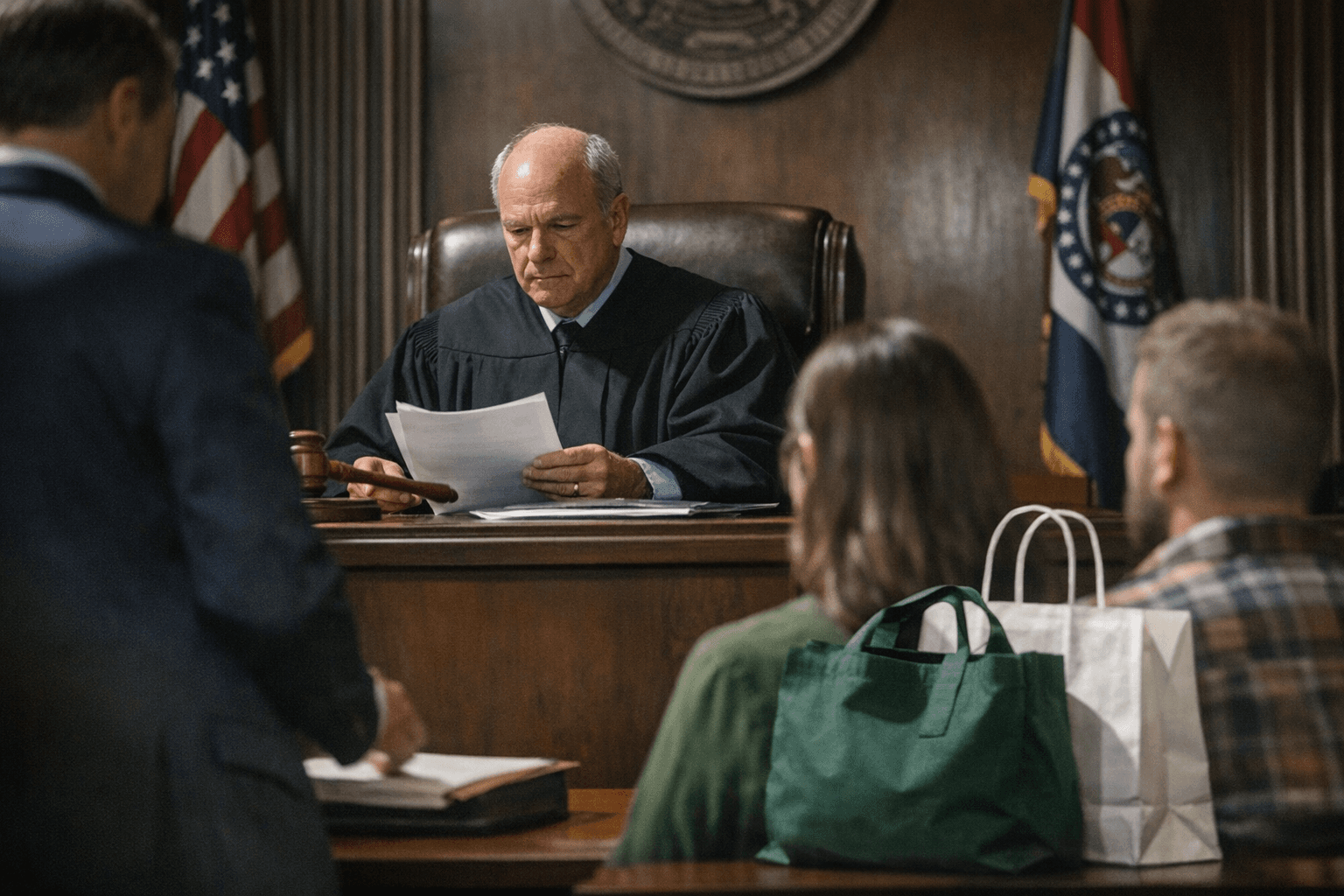
In an order on May 12, U.S. District Judge Rodney W. Sippel for the Eastern District of Missouri dismissed the proposed class action brought by Abraham Lizama and Mark Doten against H&M, ruling the retailer’s Conscious Choice marketing did not amount to unqualified environmental claims. Judge Sippel found that H&M’s copy - phrases like “a little extra consideration for the planet,” “more sustainable materials,” and references to “its most sustainable products” - were qualified statements that would not mislead a reasonable consumer.
The plaintiffs had alleged H&M marketed the Conscious or Conscious Choice collection as “sustainable” or “environmentally friendly,” and asserted claims under the Missouri Merchandising Practices Act and related state laws as well as theories tied to the Federal Trade Commission’s Green Guides. The complaint included an assertion that one or more plaintiffs had independently tested garments’ origins; that allegation appears in the public filings and excerpts available in the record.
Judge Sippel’s order parsed H&M’s web content and product labeling in detail, noting consumers are given “copious amounts of information including specifically about the relevant comparison between recycled versus virgin polyester,” material that the order says Lizama admitted he reviewed before purchase. Sippel wrote plainly, “Here, H&M has not made any unqualified environmental benefit claims,” and emphasized that “No reasonable consumer would understand this representation to mean that the Conscious Choice clothing line is inherently ‘sustainable’ or that H&M’s clothing is ‘environmentally friendly’ when neither of those representations were ever made by H&M.”
The court also handled threshold issues: the order dismissed Mark Doten’s claims for lack of personal jurisdiction, and dismissed Abraham Lizama’s causes of action for failure to adequately allege claims against H&M. The dismissal was framed as a failure to state a claim against H&M under the theories advanced by the plaintiffs.
Public records and press excerpts in the docketed material present a conflicting account in at least one thread: another court excerpt names U.S. District Judge Cristian M. Stevens and reports a motion to dismiss was partly denied, allowing recycled-content allegations under the Missouri Merchandising Practices Act to proceed. That same excerpt lists counsel names in a way that conflicts with other filings, naming Daniel Orlowsky and Staci Trager with roles that do not align neatly with the docketed defendant status. Those discrepancies remain in the available excerpts.
The Sippel dismissal sits against existing precedent in green-advertising litigation: an April 2022 dismissal in an Allbirds case by Judge Cathy Seibel was cited as a similar ruling where courts found plaintiffs failed to plausibly allege that environmental statements were materially misleading. The day after the dismissal in the H&M matter, similar lawsuits with nearly identical claims were filed in federal court in Missouri, keeping retailers and counsel alert to how precise sustainability language is crafted and litigated going forward.
Know something we missed? Have a correction or additional information?
Submit a Tip