Federal Judge Halts Nexstar-Tegna Merger After DirecTV Antitrust Lawsuit
A federal judge froze the $6.2B Nexstar-Tegna merger hours after it closed, ordering the broadcast giants to keep operating as rivals pending an April 7 hearing.
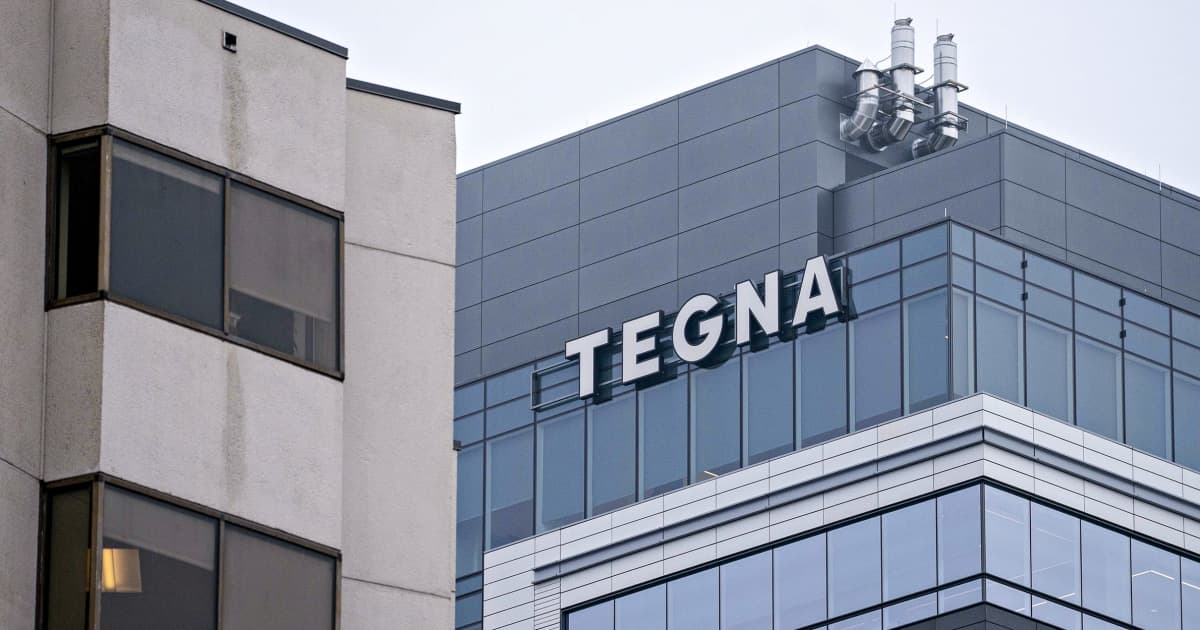
The deal had been declared done. Nexstar Media Group announced last week it had closed its $6.2 billion acquisition of Tegna, capping months of regulatory maneuvering that won sign-off from both the FCC and the Department of Justice, with President Donald Trump publicly backing the transaction. Then, less than a day after DirecTV filed an antitrust lawsuit to stop it, a federal judge erased that finish line.
U.S. District Judge Troy L. Nunley in Sacramento issued a 14-day temporary restraining order late Friday, blocking Nexstar and Tegna from integrating their operations and requiring the two companies to continue functioning as separate businesses. In his 24-page ruling, Nunley quoted the plaintiffs' central charge directly: the merger "will drive up the cost of television service to tens of millions of Americans, shutter local newsrooms around the country, substantially reduce competition in dozens of local markets, and harm consumers."
The stakes reach into virtually every living room in the country. The combined company would operate almost 260 television stations. To green-light the transaction, the FCC waived the statutory rule barring any single broadcaster from owning stations that collectively reach more than 39% of U.S. households, a cap Congress established in 2004 specifically to protect viewpoint diversity and prevent monopolization. The Nexstar-Tegna combination would reach at least 60% of American homes.
At the center of the antitrust argument is the question of retransmission consent fees: the payments cable and satellite distributors like DirecTV make to carry local broadcast stations. DirecTV argued in its suit that the merger would hand Nexstar-Tegna the leverage to demand sharply higher fees from distributors, with those costs ultimately landing on consumers' monthly bills. Judge Nunley found that argument persuasive in part because the companies themselves acknowledged the underlying dynamic. He noted in his order that Nexstar and Tegna "do not contest this merger will increase Nexstar's bargaining leverage to extract higher fees."
Eight state attorneys general, led by California's Rob Bonta, filed a separate antitrust lawsuit on similar grounds. Newsmax, DirecTV, and a coalition of state broadband and cable groups are simultaneously challenging the FCC's approval in a federal appellate court in Washington.
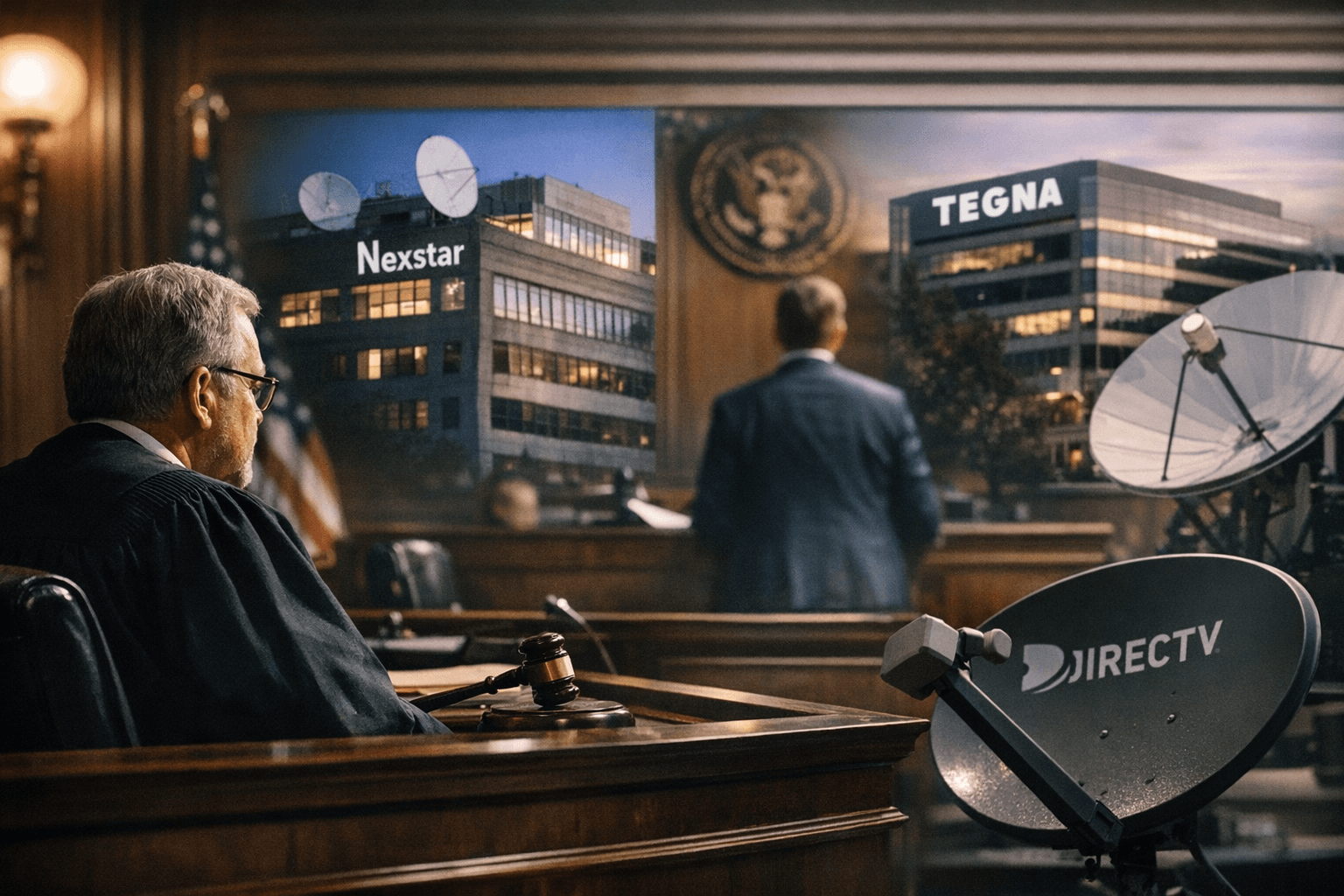
The FCC's process for approving the deal drew sharp criticism from within the agency itself. Commissioner Anna M. Gomez, the lone Democrat on the commission, said the agency blessed the merger "behind closed doors with no open process, no full Commission vote, and no transparency" for consumers. Senator Ted Cruz of Texas, the Republican chair of the Senate Commerce Committee, said the matter should have been put to a full commission vote as well. FCC Chairman Brendan Carr, a Trump appointee who led the approval, defended the waiver as "consistent" with the agency's legal authority.
Nexstar has argued the consolidation is necessary because local advertising revenue has migrated to large technology platforms, and that merging station groups would allow greater investment in local journalism. Nexstar declined to comment on the restraining order. Tegna did not immediately respond.
Under Nunley's order, Nexstar must permit Tegna to continue operating "as a separate and distinct, independently managed business unit from Nexstar," maintain Tegna as "an ongoing, economically viable, and active competitor," and ensure that "Tegna shall have separate management that operates Tegna in the ordinary course consistent with pre-closing practices." Any subsequent ruling by Nunley before the 14 days expire can modify or lift the order.
The April 7 hearing will determine whether to extend the pause with a preliminary injunction pending a full trial. That decision will settle whether the largest local television ownership group in American history moves forward, or is unwound before it consolidates its hold on the airwaves reaching more than half the country.
This article was produced by Prism’s automated news system from verified source data, official records, and press releases, then run through automated quality and moderation checks before publishing. The system is built and supervised by the people who set the standards it runs under. Read our full AI policy.
Did this article answer your question?

