Federal judge halts Trump third-country deportations in 81-page ruling, igniting legal showdown
Judge Brian Murphy struck down the administration's third-country deportation policy and blocked removals, reviving litigation despite two Supreme Court vacatur orders and prompting calls for his impeachment.
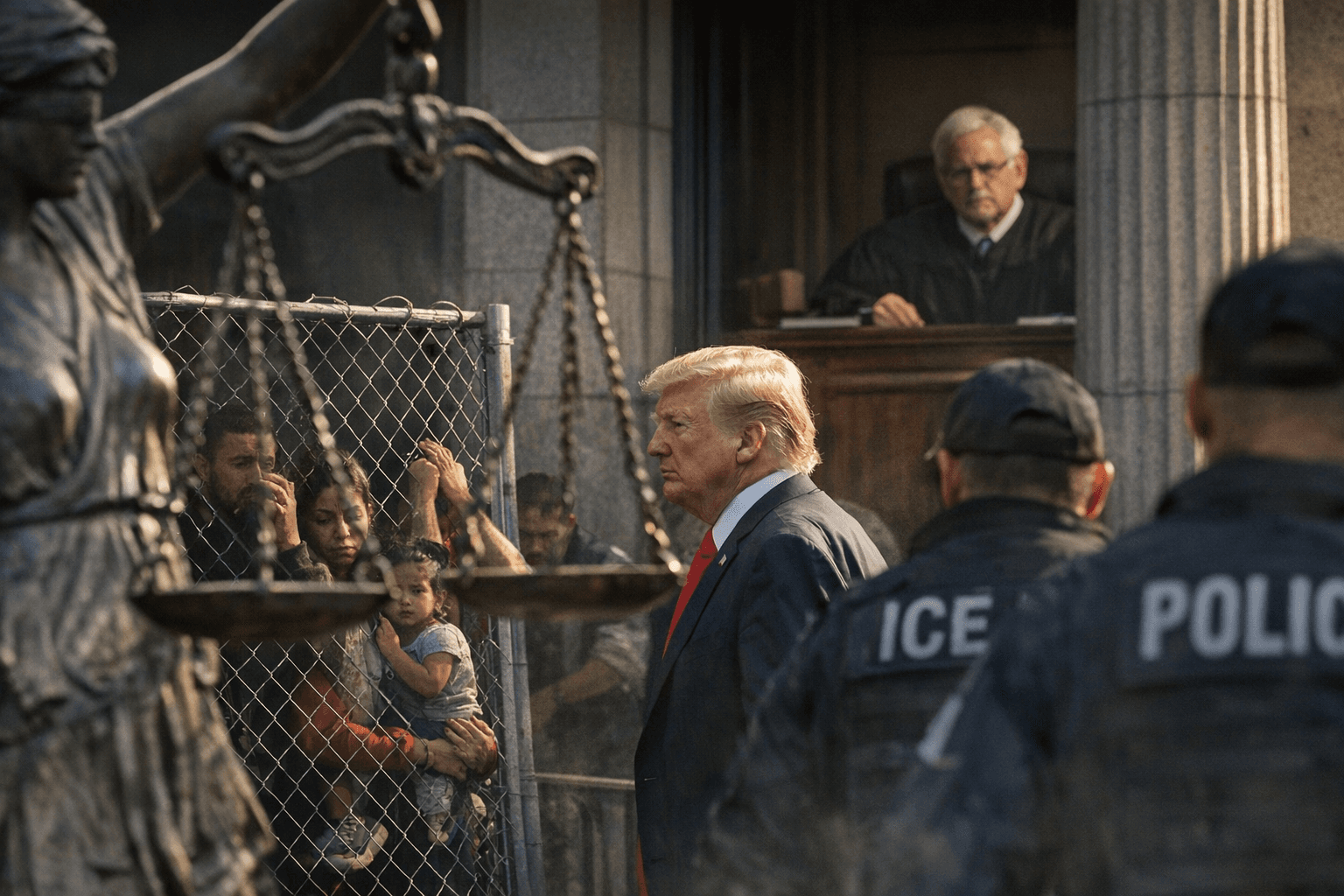
U.S. District Judge Brian Murphy issued an 81-page ruling today striking down the Trump administration's third-country deportation policy and ordering an immediate halt to removals under that program, reviving litigation that the Supreme Court has twice sought to unwind by vacating his earlier injunctions. The decision puts the Department of Homeland Security and Immigration and Customs Enforcement back in the position of pausing a central removal tool while federal courts sort out authority over the policy.
The ruling resumes a direct operational impact on enforcement at the border and in detention facilities: deportation flights that rely on third-country agreements cannot proceed under the court order, and those subject to transfers to countries other than their homelands face an immediate legal reprieve. The Supreme Court twice vacated Murphy's prior blocks, but his latest opinion rejects the administration's argument that the Court's earlier actions resolved the underlying constitutional and statutory claims.
The renewed stalemate is already drawing political fire. Conservative commentator Ann Coulter called for Judge Murphy's impeachment, accusing him of ignoring Supreme Court directives. The impeachment demand underscores the broader institutional friction between a federal trial judge and the nation's highest court, a clash with implications for executive enforcement across agencies.
Beyond the legal tug of war, the ruling has tangible public health and community consequences. Hospitals, public clinics and nonprofit providers that serve immigrant populations will see continued pressure to deliver care without guaranteed continuity. Public health officials in border and interior jurisdictions must contend with an uncertain flow of patients whose immigration status affects access to Medicaid, community clinics and social services. Detention facilities, where outbreaks of infectious disease have already strained medical staffing, will face altered population dynamics as transfer and removal schedules shift.
Local governments and social service providers are likely to absorb short-term costs. Shelters and legal aid organizations that work with asylum seekers must plan for longer case processing and potential increases in stays within the United States. These operational burdens fall disproportionately on communities of color and low-income neighborhoods that already shoulder gaps in health coverage and access to culturally competent care.
The decision also deepens long-standing policy questions about equity in immigration enforcement. Third-country deportations have been criticized by advocates for creating barriers to asylum and displacing responsibility to countries with weaker protections. By blocking the policy, Murphy's ruling temporarily restores a legal status quo that advocates say better preserves asylum access, while opponents argue it undermines border management and cooperative diplomacy.
The Department of Justice and Homeland Security are expected to appeal promptly, which would keep the policy's fate tied to appellate courts and possibly back before the Supreme Court. In the interim, local health departments and community clinics must prepare for continued uncertainty in service demand and financing.
The fast-moving legal conflict will determine whether federal agencies can resume a deportation program that reshapes enforcement logistics, or whether courts will permanently constrain the use of third-country transfers. For frontline health and social providers, today's ruling is a reminder that immigration policy decisions reverberate well beyond courtrooms, affecting health access, public budgets and the daily lives of people seeking refuge.
This article was produced by Prism’s automated news system from verified source data, official records, and press releases, then run through automated quality and moderation checks before publishing. The system is built and supervised by the people who set the standards it runs under. Read our full AI policy.
Did this article answer your question?

