Federal Judge Orders Agents to Document All Stops Across 34 California Counties
A federal judge ordered Border Patrol agents across 34 California counties to document every stop in writing, a mandate the government called burdensome but the court called constitutionally necessary.
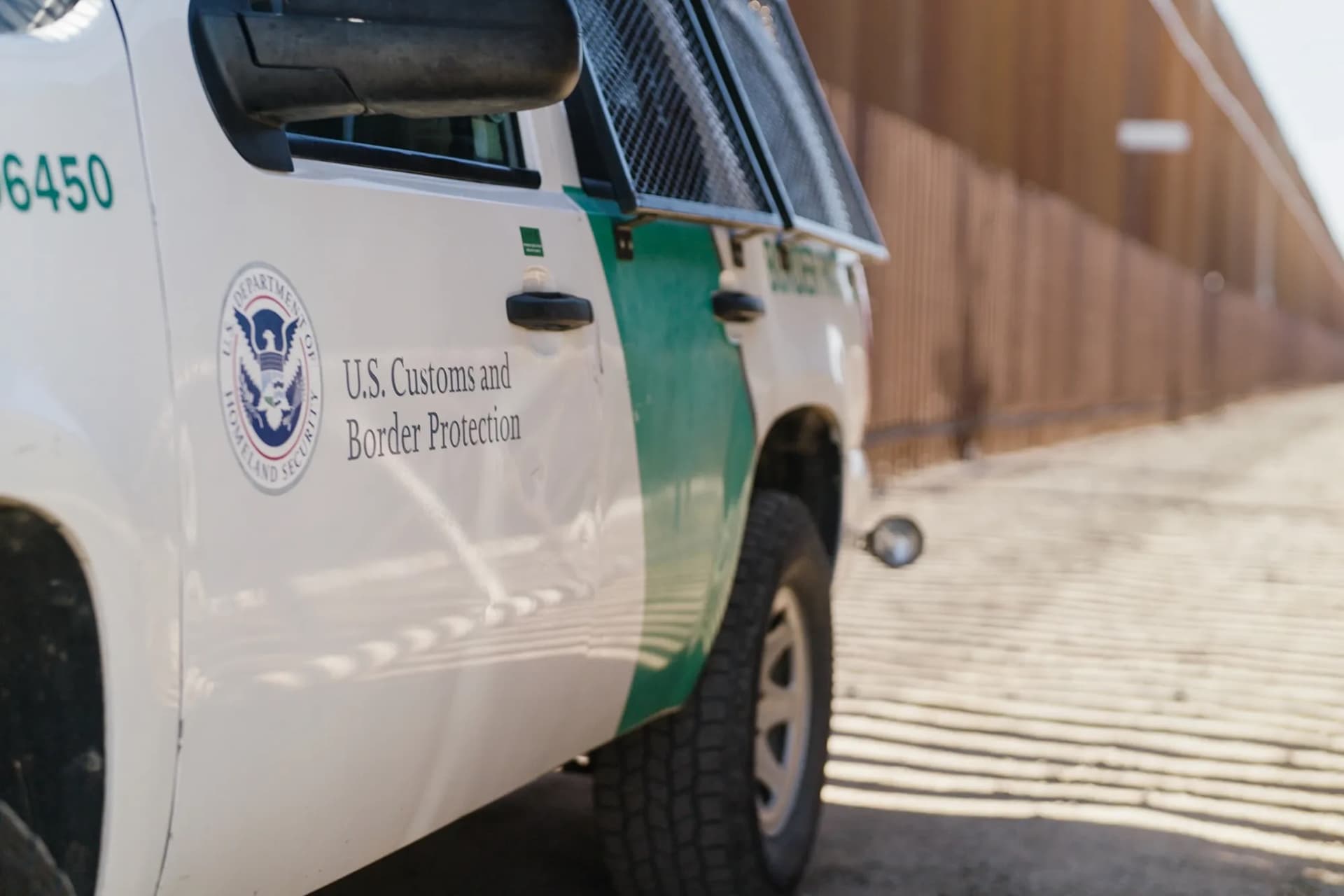
Every time a Border Patrol agent stops someone across 34 California counties, that agent must now write down, in narrative form, the specific facts that justified the encounter. U.S. District Court Judge Jennifer L. Thurston of the Eastern District of California issued the documentation mandate as part of a sweeping preliminary injunction in United Farm Workers v. Noem, a civil rights case rooted in a series of warrantless immigration sweeps the court found violated the Fourth Amendment.
The ruling covers the entire Eastern District, a jurisdiction stretching across most of California's geography and encompassing some of its densest agricultural communities. The stakes extend well beyond undocumented immigrants: anyone in those 34 counties who encounters a federal agent during an immigration enforcement operation is now entitled to have the basis for that stop recorded and disclosed.
The case traces back to Operation Return to Sender, a series of sweeps conducted in January 2025 in Kern County and surrounding areas. The ACLU, filing on behalf of United Farm Workers, presented evidence that Border Patrol agents stopped people based on skin color and language rather than any individualized suspicion of unlawful presence. "You just can't walk up to people with brown skin and say, 'Give me your papers,'" Thurston said during a hearing in Fresno. She found that agents "engaged in conduct that violated well-established constitutional rights."
Under the preliminary injunction, Border Patrol agents who conduct detentive stops must document the facts and circumstances surrounding the stops and provide the information to the plaintiffs' counsel. The court ordered Border Patrol to document every stop and provide reports within 60 days, despite government attorneys claiming this requirement would burden agents. Thurston rejected that argument. "The evidence is that this was wide scale" and not limited to individual agents, she said. The El Centro Sector faces an additional compliance requirement: proof within 90 days that agents have been trained on the new rules, with updates due every 30 days after that.
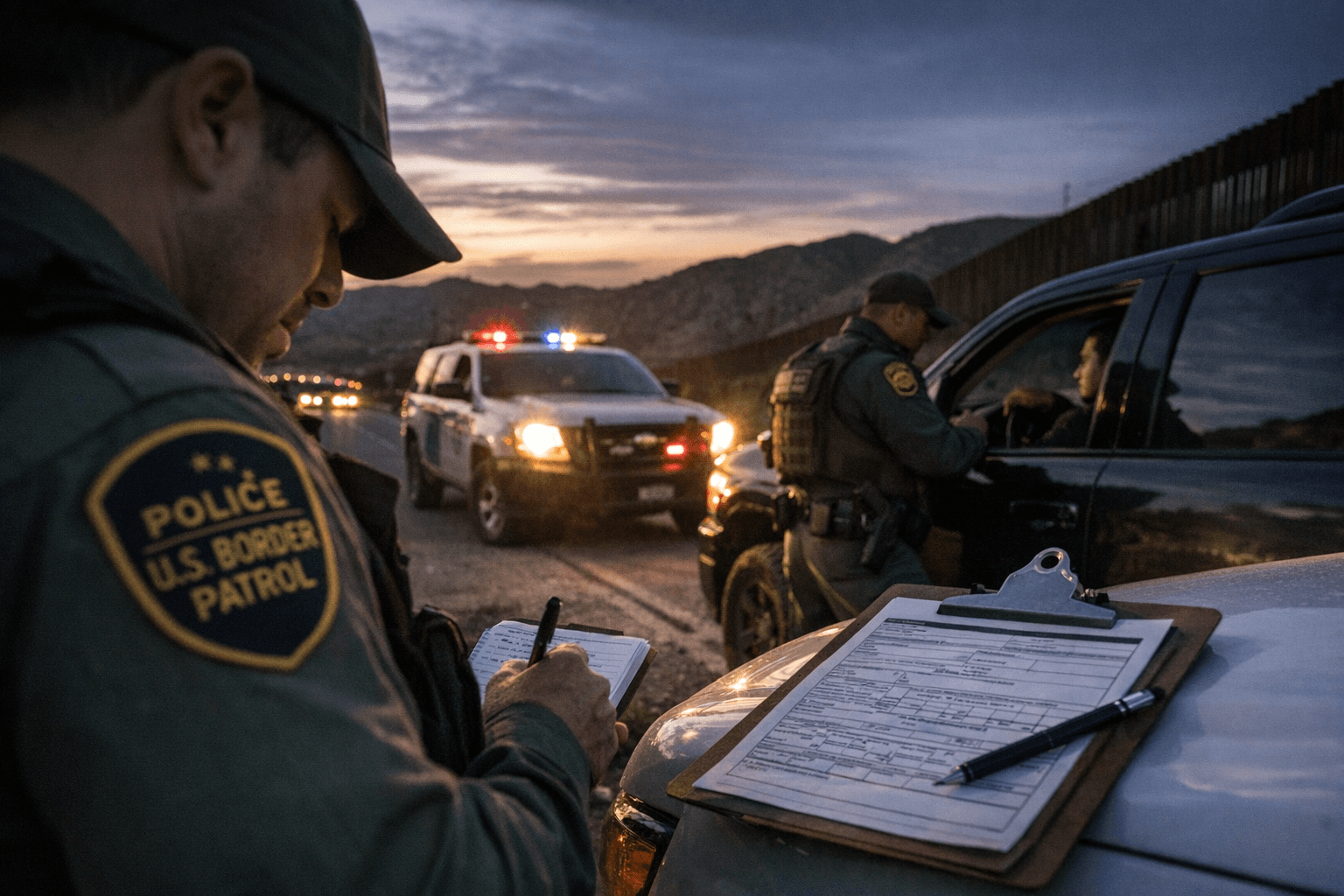
Thurston provisionally certified two classes: the "Suspicionless Stop Class" and the "Warrantless Arrest Class." These designations ensure that all individuals in the Eastern District of California who are at risk of being stopped or arrested have legal standing in the ongoing case. ACLU senior staff attorney Bree Bernwanger called the ruling "a powerful reminder that law enforcement agents, including immigration, cannot stop you, detain you because of the color of your skin."
The government appealed, with lawyers arguing in September 2025 that Thurston had erred in issuing what they characterized as a "sweeping, districtwide injunction." The legal battle reached the Supreme Court, where Justice Brett Kavanaugh issued a concurrence finding that apparent ethnicity alone cannot furnish reasonable suspicion but can be a "relevant factor." That decision left the documentation requirement at the center of how the injunction will be enforced going forward.
The paper trail Thurston required may ultimately matter as much as the prohibition itself. Without documentation, violations are nearly impossible to prove; with it, each unjustified stop becomes an evidentiary record in an active class-action lawsuit against the federal government.
This article was produced by Prism’s automated news system from verified source data, official records, and press releases, then run through automated quality and moderation checks before publishing. The system is built and supervised by the people who set the standards it runs under. Read our full AI policy.
Did this article answer your question?

