Federal lawsuit alleges managers took tips at Milwaukee seafood restaurant
The Department of Labor sued St. Paul Fish Company for allegedly letting managers share in a tip pool of about 35 workers. The case could lead to back pay, damages and changes to tip policies.

The U.S. Department of Labor filed a federal lawsuit against St. Paul Fish Company and its owners, alleging managers were allowed to participate in a single tip pool that collected portions of tips from roughly 35 employees at the Milwaukee Public Market location. The suit, filed Jan. 16, follows a DOL investigation covering June 2021 through June 2023 and seeks back pay, damages and injunctive relief.
Investigators found the business operated as multiple in-store units — a restaurant, a bar, an oyster bar and a takeout counter — while tips from counter and oyster-bar employees were combined into one pool and managers allegedly received shares. The DOL says that conduct violates the Fair Labor Standards Act prohibition on managers keeping employees’ tips. Owners had not immediately responded to requests for comment.
For restaurant workers, the case highlights the legal dividing line between front-of-house employees who can lawfully share tips and supervisors or managers who cannot. Tip pooling is a common practice in foodservice, used to distribute gratuities among servers, bussers and bar staff, but federal rules bar managers or supervisors from retaining any portion of those tips. Where a single physical location operates multiple distinct service units, the question of how tips are allocated can become a flashpoint if management participates in distributions.
The alleged conduct at the Milwaukee Public Market location could have direct financial consequences for the affected staff. The DOL’s remedies typically aim to recover tips that were improperly retained and may include liquidated damages and court orders requiring employers to change practices. For workers, a successful outcome could mean recovery of lost earnings and a mandate that tip pools be restructured to exclude managerial shares.
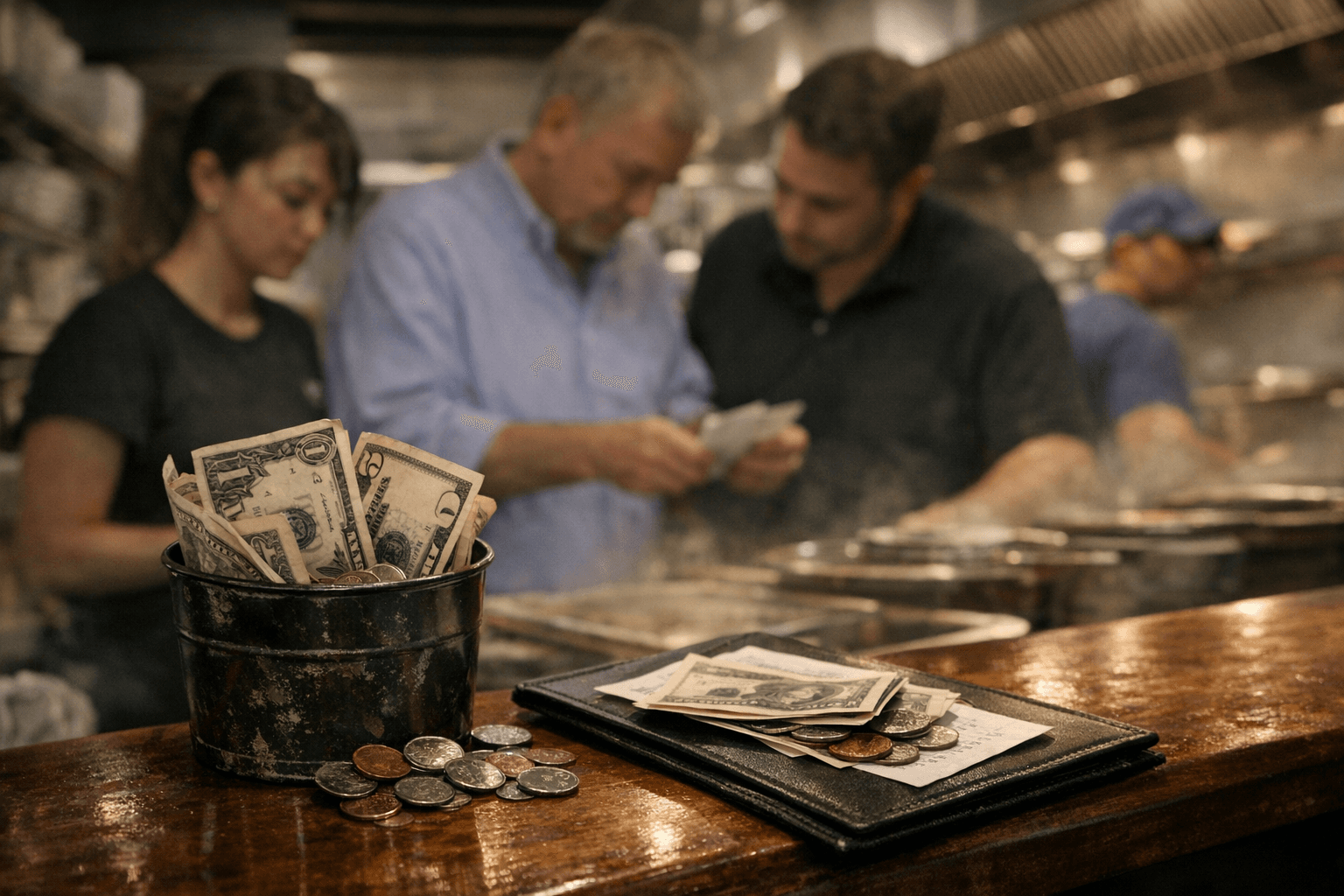
Beyond individual payouts, the lawsuit signals heightened enforcement attention on tip-pooling arrangements in multi-concept venues such as market stalls, food halls and hybrid restaurant-bar setups. Operators who run several service counters under one roof may need to revisit payroll practices, clarify who is eligible to participate in tip pools and document distributions to reduce legal risk.
For employees, this is a reminder to review pay stubs and ask for written tip-pool policies if distributions seem inconsistent with who actually receives tips. For managers and owners, the case underscores the importance of training and compliance with wage-and-hour rules to avoid costly litigation. The lawsuit will test how courts apply FLSA rules to in-store multiunit operations and could influence tip-pool practices across similar venues.
Sources:
Know something we missed? Have a correction or additional information?
Submit a Tip

.png%3Fwidth%3D1280%26auto%3Dwebp%26quality%3D80%26disable%3Dupscale&w=1920&q=75)