Federal prosecutors charge autism fraud ring over fake diagnoses, kickbacks
Fake autism diagnoses and cash kickbacks allegedly turned Minnesota Medicaid into a $14 million pipeline as oversight lagged behind explosive program growth.
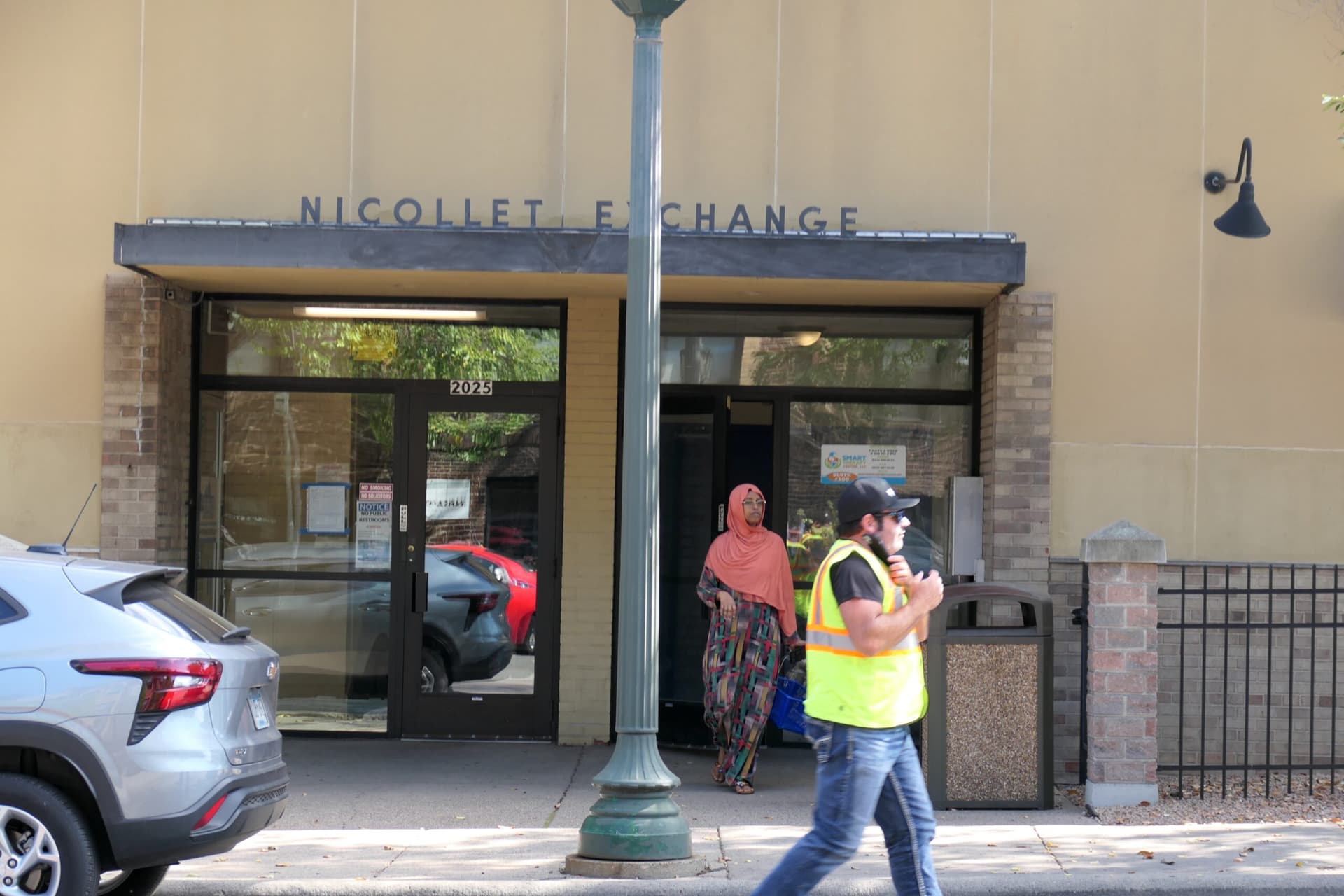
Federal prosecutors say a Minnesota autism clinic network turned children’s treatment into a billing machine, recruiting parents in the Somali community, pressing for diagnoses that may not have existed, and paying monthly cash kickbacks tied to how much therapy the state approved.
The first charge landed Sept. 24, 2025, when Asha Farhan Hassan, 28, was accused of wire fraud in what prosecutors described as a $14 million autism fraud scheme tied to Minnesota’s Early Intensive Developmental and Behavioral Intervention program. Three months later, on Dec. 18, prosecutors announced six more defendants in ongoing fraud cases and said one defendant in the autism case had pleaded guilty, underscoring how far the investigation had spread.

One of the central figures named by prosecutors was Abdinajib Hassan Yussuf, 27, identified as president and CEO of Star Autism Center LLC. Authorities said Star Autism used unqualified behavioral technicians, billed for one-on-one therapy that was never delivered, and worked to get children qualified for services even when they did not have an autism diagnosis. Prosecutors said some claims were inflated, some were submitted without providers’ knowledge, and others were billed for services not actually provided.
The fraud allegations point to a system vulnerable to abuse because of its own rapid expansion. State reporting showed Minnesota’s autism provider count climbed from 41 in 2018 to 328 in 2024, while spending rose from about $6 million to nearly $192 million over the same period. By July 15, 2025, the Minnesota Department of Human Services said it had opened 85 investigations into autism providers, about 20% of all providers in the state, and had conducted 270 compliance visits since November 2024.
The FBI served search warrants on Dec. 12, 2024, at Smart Therapy Center in Minneapolis and Star Autism Center in St. Cloud. Investigators described a rapidly growing provider network, said some children did not appear autistic, and alleged that services were billed while providers were out of the country. They also said some staff members were 18- or 19-year-old relatives with no autism-training credentials, a sign of how easily billing could outrun clinical oversight.
The human cost extends beyond the alleged theft. Families seeking legitimate autism care faced longer waits, damaged trust, and the risk that scarce Medicaid dollars were siphoned away from real therapy. CBS Minnesota reported that Smart Therapy Center submitted claims totaling $31.8 million across Minnesota DHS programs from 2021 to 2025, while prosecutors said active federal investigations were underway across 14 Minnesota Medicaid programs deemed high risk for fraud. The autism case now sits inside a wider reckoning for Minnesota, where public-program fraud probes have widened from Feeding Our Future to housing stabilization and other Medicaid-funded services.
This article was produced by Prism’s automated news system from verified source data, official records, and press releases, then run through automated quality and moderation checks before publishing. The system is built and supervised by the people who set the standards it runs under. Read our full AI policy.
Did this article answer your question?