Federal pullback clouds offshore wind as California pushes port planning
Federal support for offshore wind has been rolled back, creating uncertainty and layoffs, while California and private investors press ahead—Humboldt won a $18.5 million planning award that keeps local projects alive.
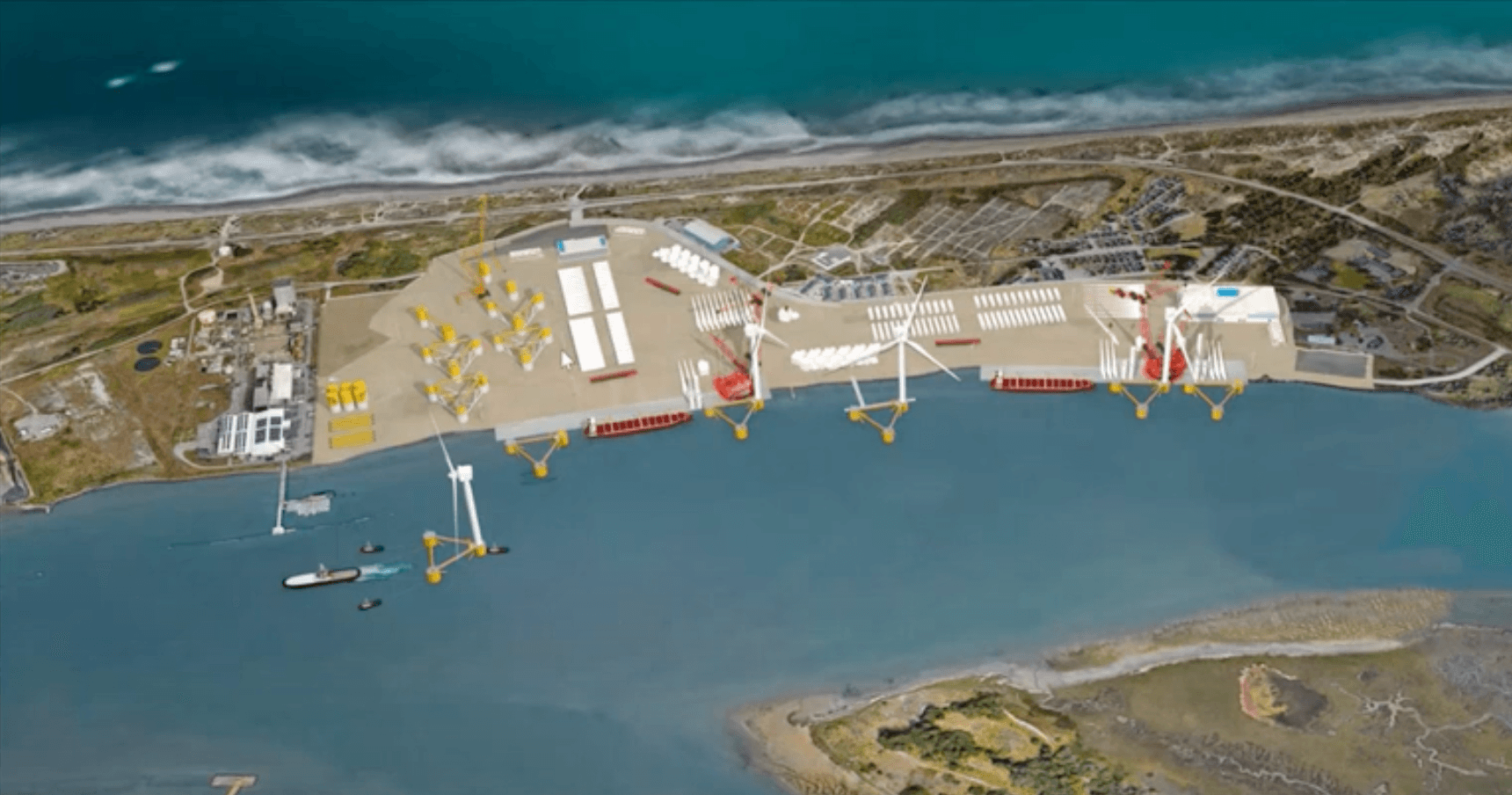
A Jan. 7 Community Economic Resilience Consortium session laid out a stark split in the emerging U.S. offshore wind sector: federal actions have withdrawn some support, but state funding and private investment continue to move projects forward, leaving Humboldt County caught between uncertainty and opportunity.
Presenters highlighted recent federal rollbacks that include new executive actions and the cancellation of a major port redevelopment grant. Those moves have reduced federal capital certainty and contributed to workforce disruptions, including U.S. layoffs at developer RWE. Against that backdrop, state-level initiatives are filling some gaps. California’s Proposition 4 bond contains explicit port-development funding, and state authorities have approved multiple billions of dollars for transmission upgrades intended to connect coastal generation to inland grids.
Speakers from Oceantic Network and Brightline Defense described a market in limbo: private and state investment is ongoing, but many developers are in a “waiting game” as they reassess project timelines and financing. Local economic-development leaders used the session to outline supply-chain investments and port planning work designed to position Humboldt County to capture manufacturing, staging, and services tied to offshore wind vessels and components.
Humboldt’s most tangible near-term win is a preliminary $18.5 million planning award toward a port project tied to offshore wind. That funding supports initial engineering, berth and laydown planning, and work to align local infrastructure with anticipated federal and state permitting requirements. Planners emphasized that port readiness is a gating item: vessels that install turbines and carry components need deepwater access, heavy lift capacity, and nearby transmission hookups.
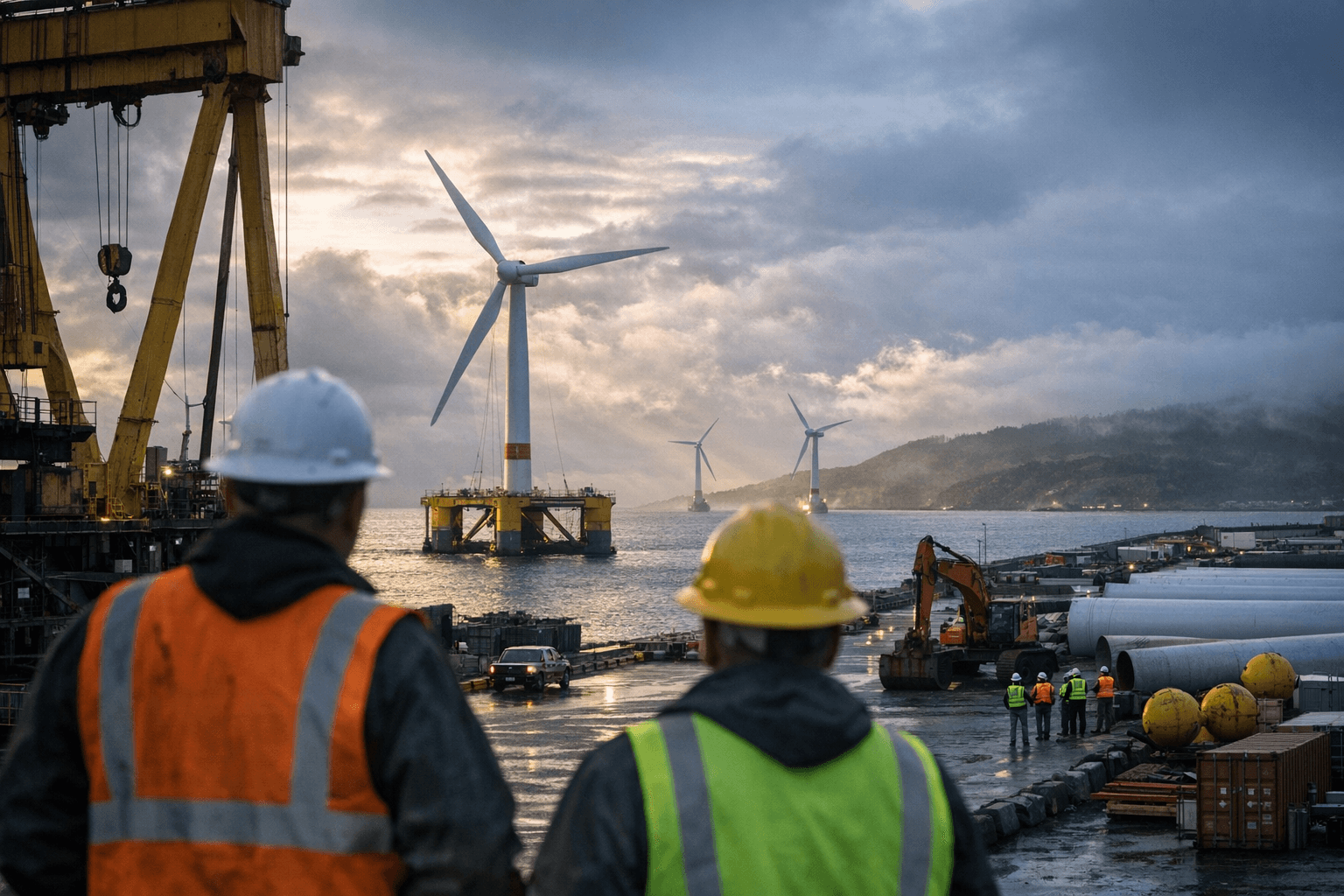
For local residents the impacts are immediate and mixed. The federal pullback raises the short-run risk of fewer construction jobs and a slower cadence of contracts for local suppliers. At the same time, state transmission investments and port planning money increase the county’s chances of securing long-term supply-chain activity, which could mean more stable, higher-paying maritime and logistics jobs if projects move ahead. Local officials framed the situation as a race to be ready when developer momentum returns.
Market implications are clear: project developers are re-prioritizing risk, lenders are tightening terms, and states with committed money and transmission plans may capture a disproportionate share of next-stage activity. For Humboldt that underscores the value of the $18.5 million planning award but also the need for complementary investments in workforce training and intermodal connections.
Our two cents? Track port planning meetings, push for apprenticeship and retraining seats, and make sure local businesses register for supplier lists now—being ready matters more than ever if the next wave of offshore wind money rolls back toward states and prepared ports.
Sources:
Know something we missed? Have a correction or additional information?
Submit a Tip