Feeble Little Horse sharpens its sound on bitknot, a new direction
Bitknot turns Feeble Little Horse’s glitchy chaos into something sharper, poppier, and more digital, signaling where indie rock is headed online.
A cleaner digital edge
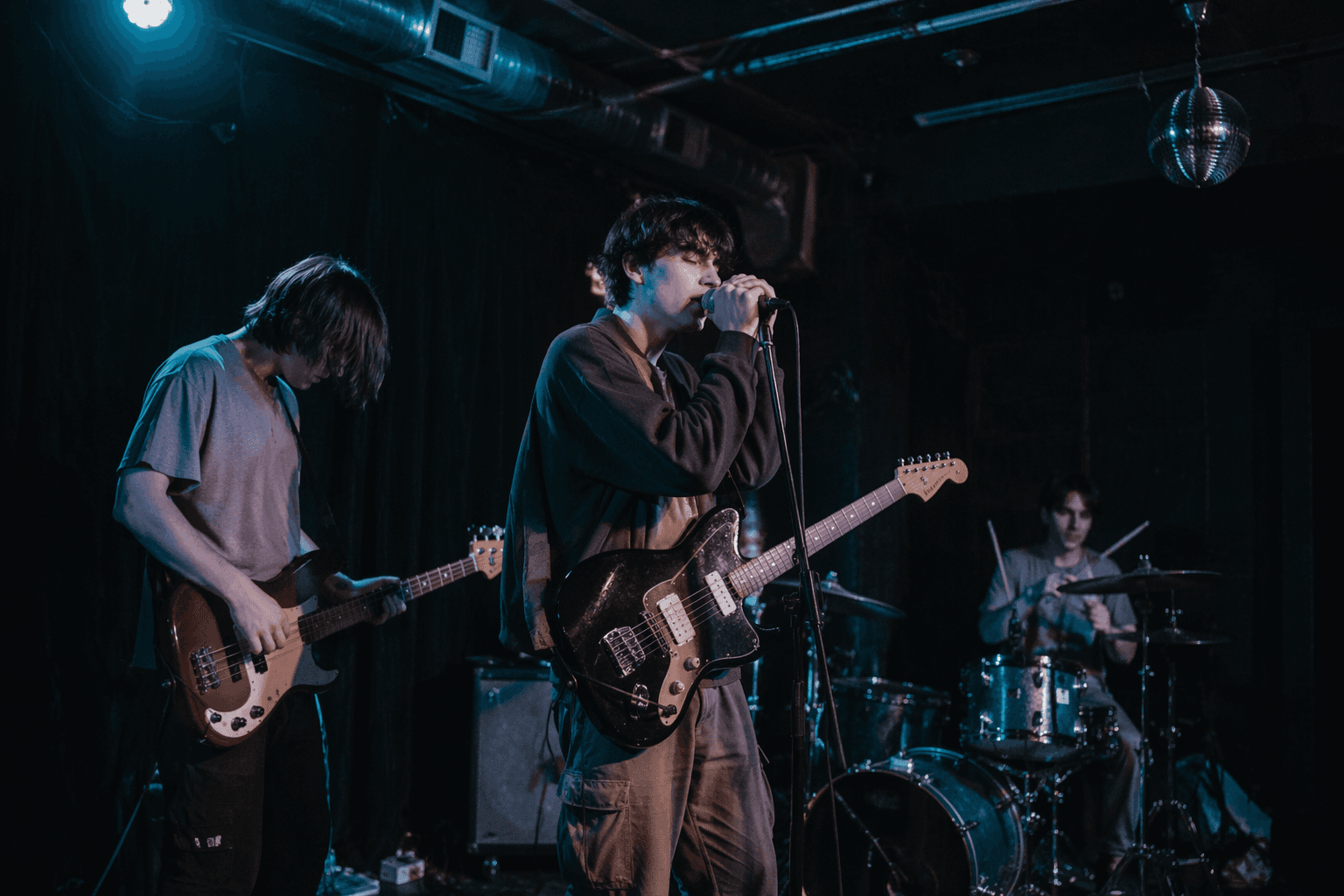
Feeble Little Horse does not sound like a band settling in on bitknot. It sounds like one that has found a new operating system. The blown-out textures that once recalled ’90s indie rock and shoegaze now arrive with a more modern sharpness, and the distortion feels less smeared across the frame than deliberately cut into it.
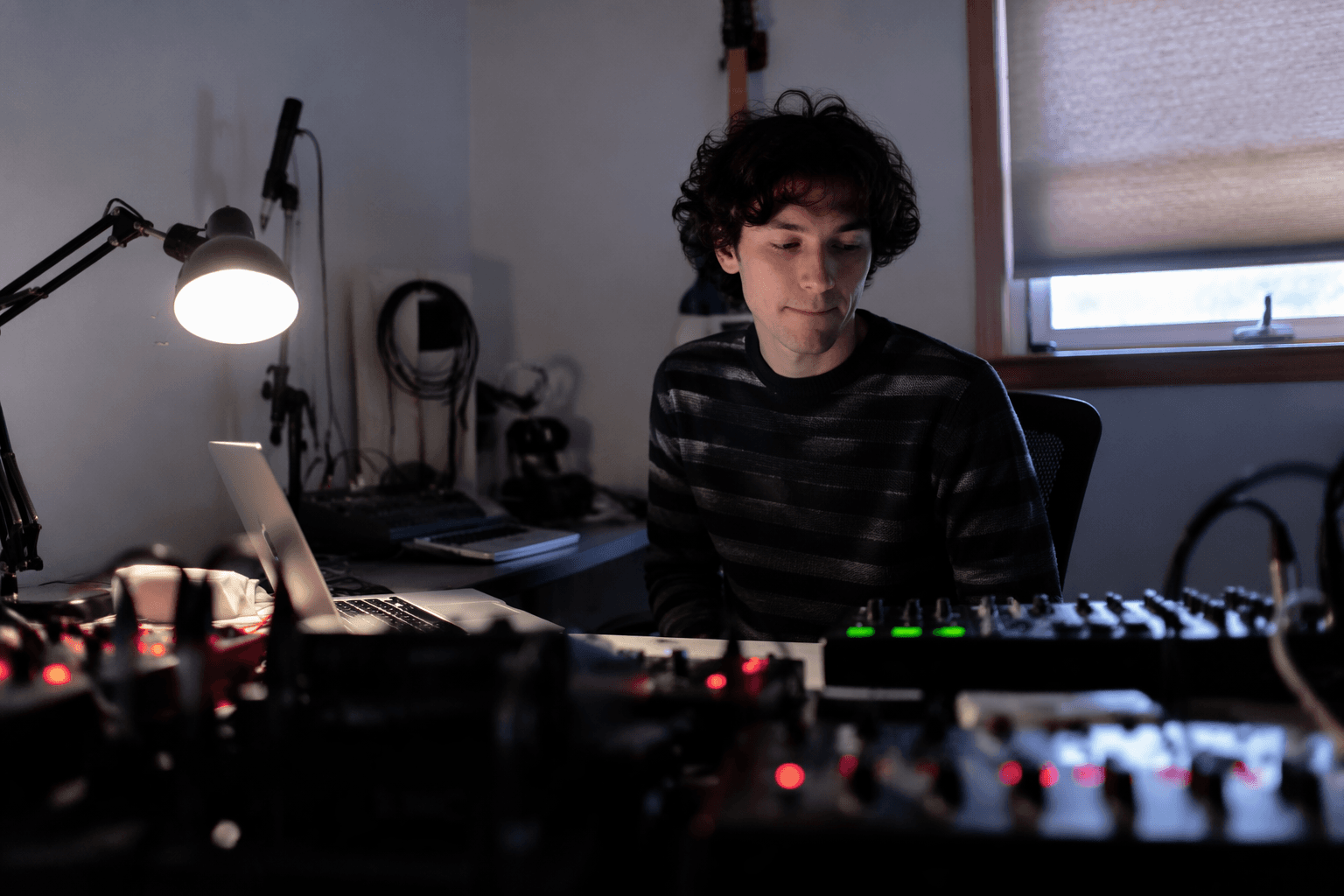
That change matters because the band’s digital glitchiness is no longer just one layer in a noisy swirl. On bitknot, it sits at the center of the songwriting and the presentation, making the record feel less like a lo-fi accident and more like a fully intentional aesthetic. The result is a sharper, more pop-forward version of Feeble Little Horse, one that treats digital damage as a compositional tool.
How bitknot was built
bitknot is Feeble Little Horse’s third full-length LP, and it arrived digitally on May 26, 2026. Physical editions were listed to ship around June 19, 2026, with the official physical release date set for June 26, 2026. The album spans 11 tracks: “Doorway,” “Poison,” “Rewind,” “Shady,” “Dior,” “Paris,” “Cradle,” “Upside Down,” “Guts,” “Shopping,” and “DMT.”
The album was written, arranged, produced, and recorded by Sebastian Kinsler, Lydia Slocum, and Jake Kelley across their homes in Pittsburgh, Pennsylvania. Heba Kadry mastered the final tracks, with assistance from Jacob Clements, which helps explain why the record feels cleaner at the edges even when the arrangements still lean into fracture and abrasion.
Bandcamp describes bitknot as a project that “slowly percolated” over the three years since Girl with Fish, and frames it through ideas like “new modes of being” and “a grid of wires” that stores “secret details and memories.” Those phrases fit the album’s mood: intimate, wired, and faintly haunted by the digital systems that carry it.
From Girl with Fish to a more deliberate strain of noise
The contrast with Girl with Fish is the key to understanding the new record. Saddle Creek says the band’s sophomore album, released on June 9, 2023, moved across 11 self-recorded and self-produced tracks from blissed-out pop into harsh noise, glitchy programmed drum beats, and off-kilter indie rock. That earlier record built Feeble Little Horse’s reputation on intuition, chaos, and a kind of volatile charm that made the hooks feel like they were fighting through static.
bitknot keeps the tension between melody and distortion, but the balance has shifted. Early critical reaction has focused on how Lydia Slocum’s pop melodies and vulnerability now sit more prominently in the mix, while the older noise-to-tune contrast has become more cut-and-paste, jagged, and digitally damaged. The band still sounds unruly, but the unruliness is more sculpted than spontaneous.
That distinction is important. In a rock landscape where polished production often reads as conservatism and “messiness” can be mistaken for a lack of control, Feeble Little Horse is using digital roughness as a design choice. The glitches are not cover for a small sound; they are part of the architecture.
The lineup shift behind the sound
The new direction also arrives after a real change in the band’s internal dynamics. Founding guitarist Ryan Walchonski stepped away in March 2025 to focus on Aunt Katrina, and Rob Potesta of Tony from Bowling joined for live performances after his departure. Around the same time, Feeble Little Horse released “This Is Real,” its first new music since Girl with Fish.
Walchonski’s exit and the band’s subsequent period of recalibration help explain why bitknot feels like a reset rather than a simple sequel. In an interview tied to Aunt Katrina, Walchonski said he left in March to pursue solo work, and his separate project has been described as drawing from artists like Aphex Twin and Four Tet. That broader electronic sensibility is useful context for the scene Feeble Little Horse is now orbiting, where rock increasingly borrows from club music, laptop composition, and internet-era collage.
Why this matters for indie rock now
Feeble Little Horse’s turn on bitknot reflects a wider shift in how younger rock audiences encounter sound online. The old divide between “lo-fi limitation” and “high-fidelity polish” matters less than whether a song feels native to the feed: immediate, textural, unstable, and memorable enough to survive in fragments. On that terrain, glitch is not a flaw to be corrected. It is a language listeners already understand.
That is where bitknot feels especially current. Its sharpened riffs, cleaner distortion, and digitally damaged surfaces point toward a version of indie rock that is increasingly comfortable looking coded, edited, and a little synthetic. Feeble Little Horse is not abandoning noise so much as refining it for an era in which the internet has made fractured sound feel natural.
The album suggests a future where rock’s emotional weight comes not from hiding the digital seams, but from exposing them. bitknot makes that case with enough hooks, enough texture, and enough precision to sound less like a detour than a clear next step.
This article was produced by Prism’s automated news system from verified source data, official records, and press releases, then run through automated quality and moderation checks before publishing. The system is built and supervised by the people who set the standards it runs under. Read our full AI policy.
Know something we missed? Have a correction or additional information?
Submit a Tip

