FEMA invests $250 million to shield World Cup from drone threats
FEMA’s $250 million counterdrone buy for World Cup host states will stay in place after the final, extending detection powers beyond the tournament. FBI-approved rules will govern its use.
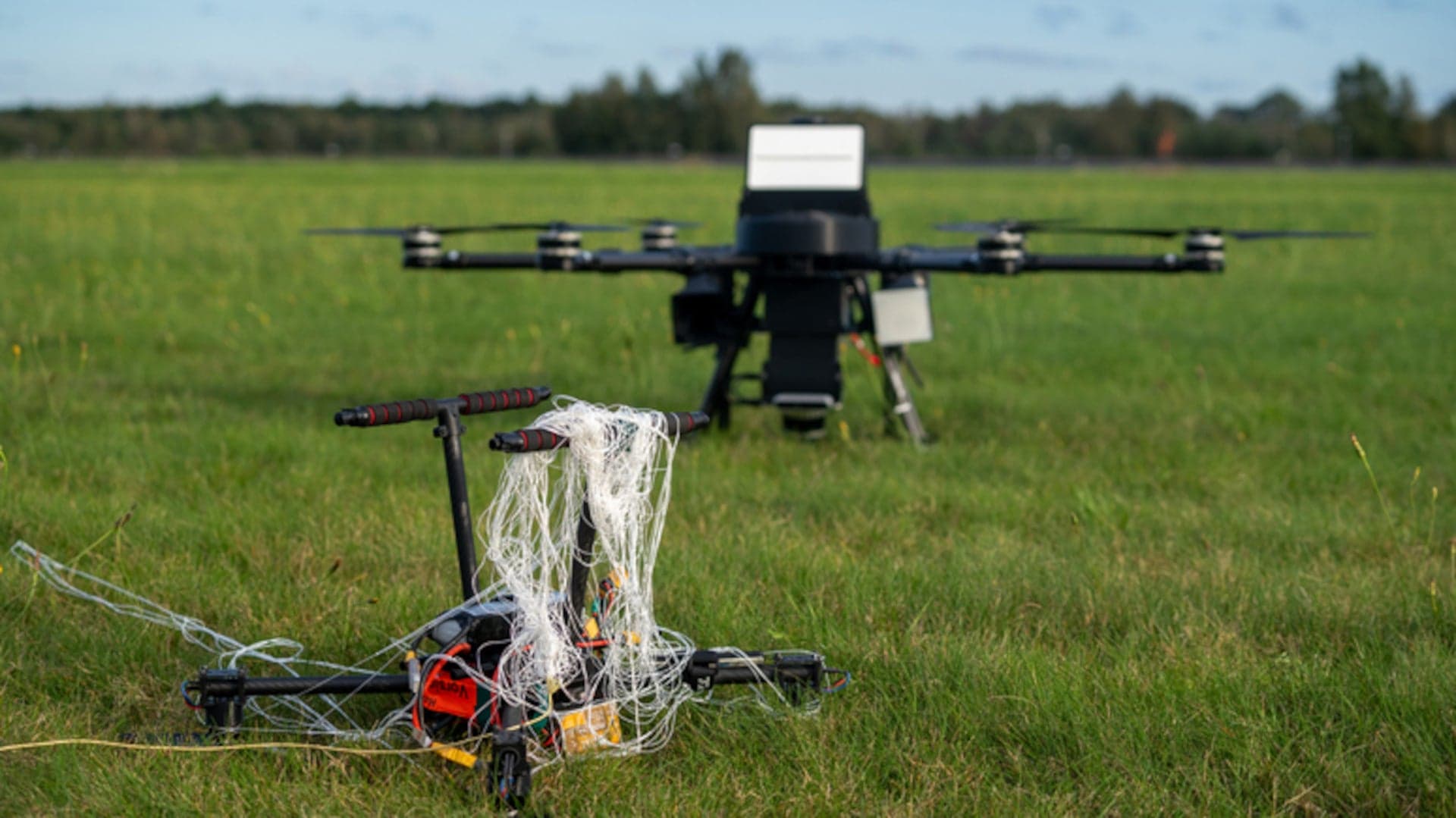
FEMA has sent $250 million to the 11 states hosting FIFA World Cup 2026 matches and to the National Capital Region for counter-drone systems that will remain in place after the final whistle. The award, made through the Counter-Unmanned Aircraft Systems Grant Program, is meant to do more than harden stadium perimeters: it will leave state and local agencies with tools to detect, identify, track and monitor unmanned aircraft long after the tournament ends.
The agency said the first $250 million was its fastest non-disaster grant execution in history. Another $250 million in the two-year, $500 million C-UAS program is set for fiscal 2027, when it will be distributed to all 56 states and territories. FEMA has framed the spending as a long-term national capacity-building effort, not a one-off event buy, even as the World Cup moves onto 16 host cities across the United States, Mexico and Canada.
The rules matter as much as the hardware. FEMA grant guidance says counter-UAS mitigation equipment and software must be approved by the FBI National Counter-Unmanned Aircraft System Training Center and tied to certified FBI training. That requirement gives federal law enforcement a gatekeeping role over what systems can be used and how local agencies are trained to operate them, a built-in restraint as cities take possession of equipment designed for drone detection and response.
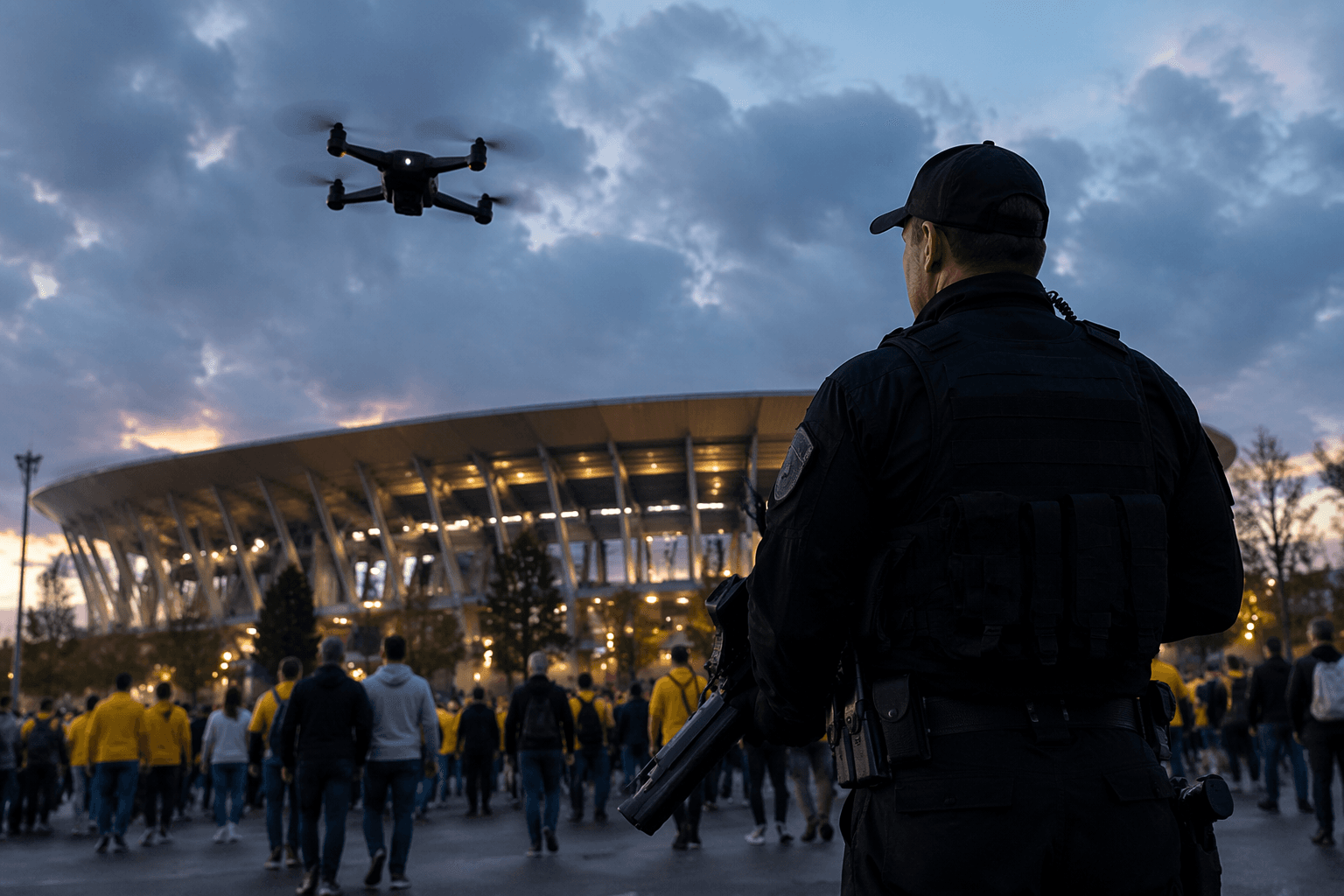
The counter-drone award sits inside a broader federal security package. FEMA later announced $625 million for the FIFA World Cup Grant Program to support the 11 U.S. host cities with training and exercises, staff background checks, cybersecurity defense, and added police and emergency response around FIFA venues, hotels and transportation hubs. The 2026 tournament opens June 11 and ends with the final on July 19 in New York New Jersey, as the first World Cup expanded to 48 teams and 104 matches. The security buildout is being written into city systems now, and some of that hardware will still be there when the crowds are gone.
This article was produced by Prism’s automated news system from verified source data, official records, and press releases, then run through automated quality and moderation checks before publishing. The system is built and supervised by the people who set the standards it runs under. Read our full AI policy.
Know something we missed? Have a correction or additional information?
Submit a Tip