FEMA recalls fired staff as hurricane season and World Cup loom
FEMA brought back 14 whistleblowers after eight months on leave as leaders scrambled before June 1 hurricane season and the World Cup.
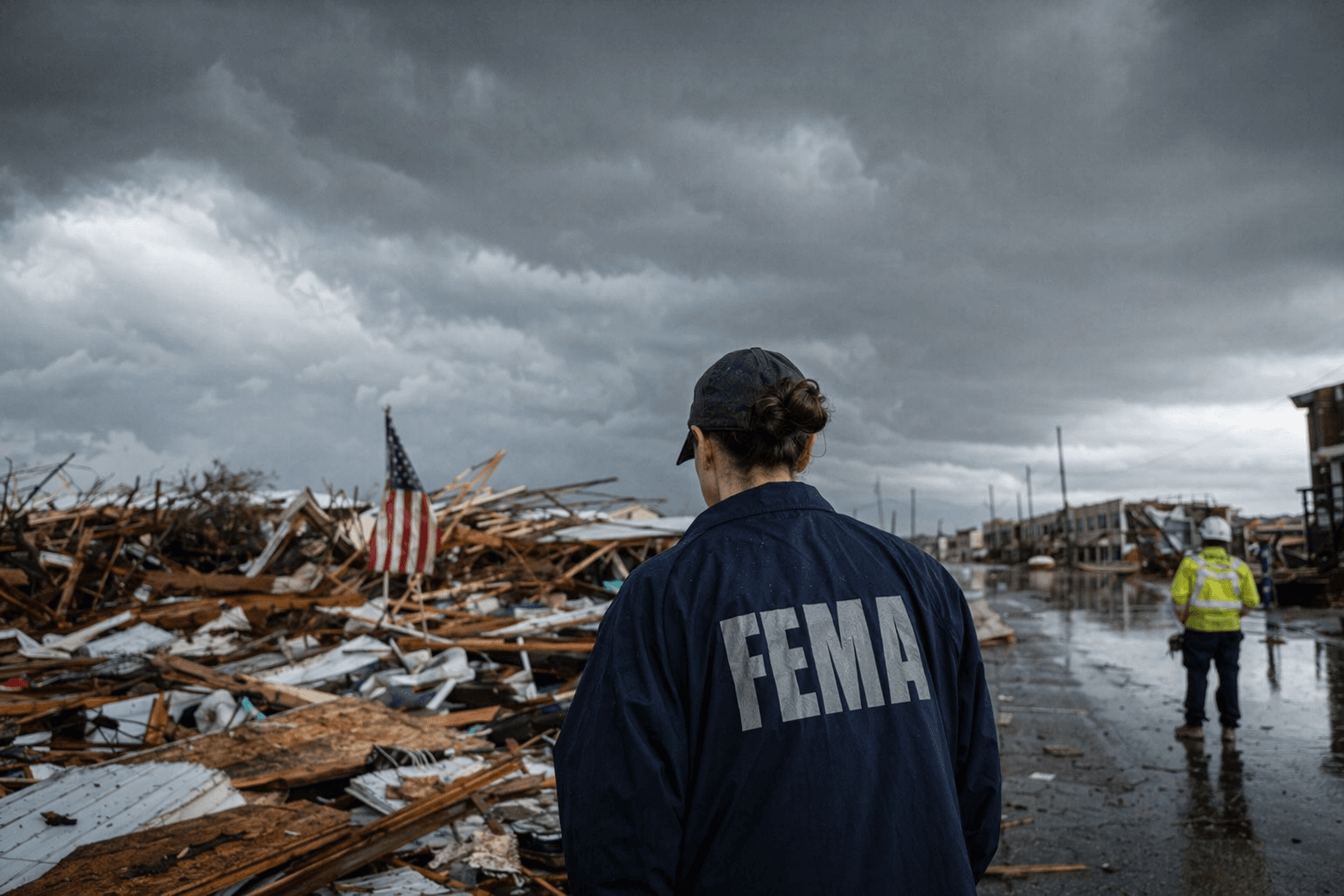
FEMA has reversed part of the staffing purge that helped hollow out its ranks, bringing back 14 employees who signed a public warning that the agency was risking a Katrina-style failure. The recall came as FEMA said those workers were needed to prepare for the 2026 Atlantic hurricane season, which begins June 1, and for the 2026 FIFA World Cup, which also starts in June.
The employees had spent about eight months on paid administrative leave after publicly opposing changes pushed under then-Homeland Security Secretary Kristi Noem. Abby McIlraith, an emergency management specialist and one of the reinstated workers, said 14 signers were brought back while 21 other people who signed the letter were no longer at the agency.
The letter, known as the Katrina Declaration, drew more than 180 current and former FEMA employees and warned that the agency was being hollowed out in ways that could repeat the failures seen after Hurricane Katrina in 2005. Some counts of the signers put the total at 191, underscoring how wide the discontent ran inside a workforce already shaken by months of uncertainty.
The reinstatements amount to a course correction after a long stretch of backlash over Noem’s approach to FEMA. Her team had pushed for steep workforce reductions and for states to take on more responsibility for disaster response, moves that alarmed employees who said the agency was losing the capacity it needs before peak storm season. Reuters reported earlier in 2025 that staffing losses and low morale had already derailed hurricane-season planning.
The timing matters. FEMA’s core mission is to surge logistics, planning and coordination when hurricanes threaten the Gulf Coast and Atlantic coast, but the agency now faces two overlapping tests: the annual storm season and the demands of a major international event spread across multiple U.S. cities. Officials have been trying to stabilize operations after the leadership changes under Noem, and the return of the whistleblowers signals that emergency planners are again being asked to fill the gaps.
The broader message from the reversal is plain. FEMA’s disaster-readiness needs are colliding with an earlier push to shrink or sideline personnel, and the agency is now trying to rebuild capacity before June turns those staffing decisions into a national problem.
This article was produced by Prism’s automated news system from verified source data, official records, and press releases, then run through automated quality and moderation checks before publishing. The system is built and supervised by the people who set the standards it runs under. Read our full AI policy.
Did this article answer your question?

