Fender CEO sparks backlash after comparing cover bands to AI
Fender’s new CEO drew musician anger after calling cover music “sort of analogue AI,” adding to blowback over cease-and-desist letters and the company’s AI posture.
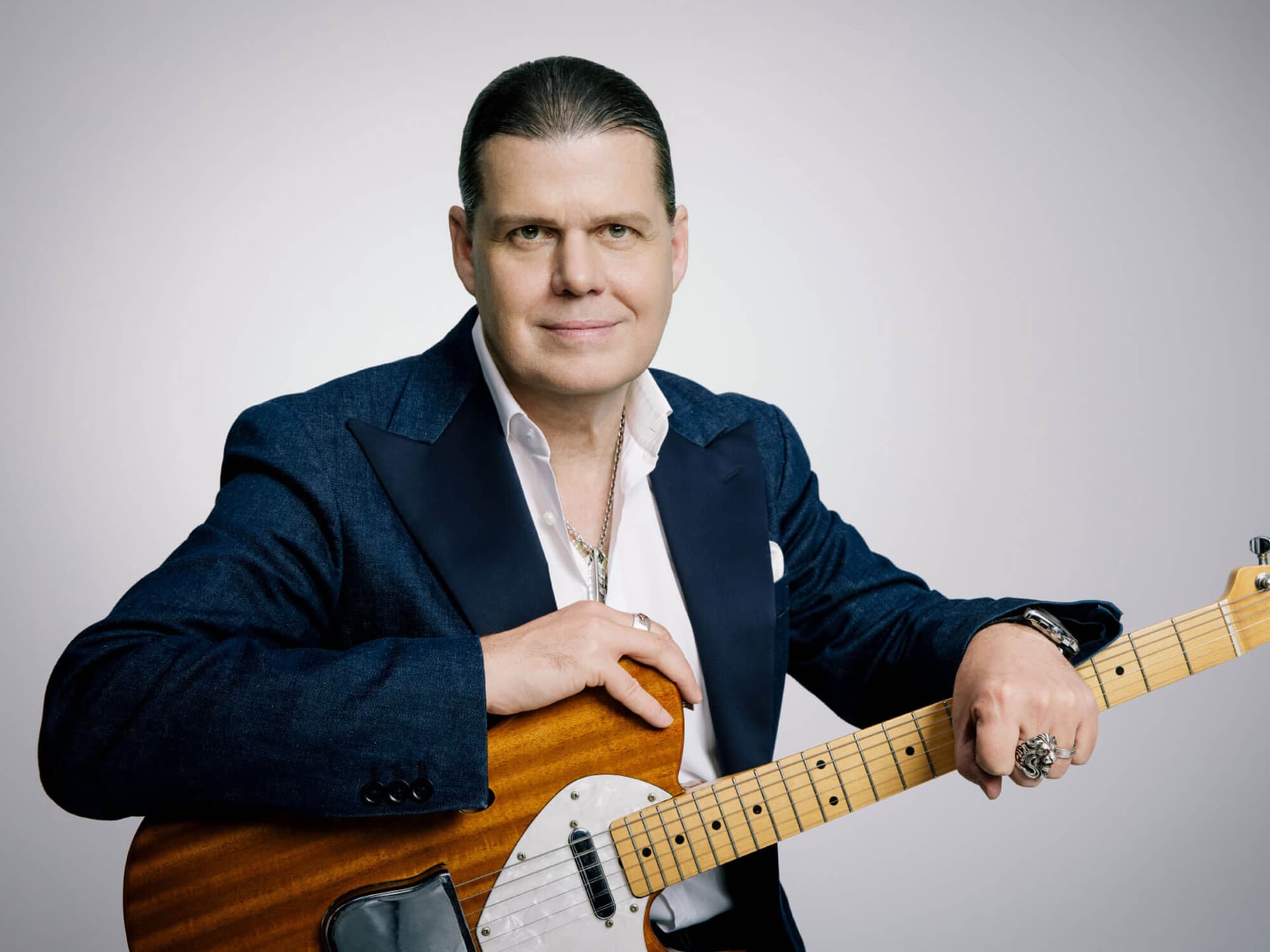
Fender CEO Edward “Bud” Cole set off a fresh wave of musician backlash after saying cover music has been “sort of analogue AI for a long time” in a May interview tied to the Telecaster’s 75th anniversary. He also framed artificial intelligence as a tool that could help musicians become more productive, comments that spread quickly across guitar forums and social channels.
The reaction landed at a delicate moment for Fender Musical Instruments Corporation. The Los Angeles-headquartered company announced Cole as its new chief executive in a Jan. 6, 2026 release, naming him CEO-designate on Jan. 19 and setting his formal takeover for Feb. 16. Cole had previously led Fender’s Asia Pacific region, and his elevation came after Andy Mooney’s tenure.

What might have passed as an offhand comparison instead became a flashpoint in a larger argument over whether tech-inflected executives understand the labor and identity of working musicians. Cole’s “analogue AI” line was taken by many players as a dismissal of cover and tribute bands, not a neutral description of how musicians learn repertory, perform for crowds and sustain local scenes. The timing sharpened the backlash because artists are already wary of generative AI systems trained on creative work without permission.
The criticism moved across Guitar.com, Guitar World, Ultimate Guitar, The Needle Drop, Reddit’s r/Guitar, TalkBass and The Gear Page, turning one executive’s quote into a broader indictment of how Fender is speaking to the community that built its brand. A July 30, 2026 YouTube video by John Nathan Cordy highlighted the controversy directly, keeping the issue in front of players already frustrated by the company’s recent cease-and-desist letters sent to multiple guitar builders.
For Fender, the episode has become more than a social-media dispute. The company is being judged not only on whether it can protect trademarks and steer its business through AI’s arrival, but also on whether its leadership still speaks the language of the musicians it sells to. When a chief executive describes human collaboration as a version of machine intelligence, the backlash is immediate because the sentence sounds less like admiration than replaceability.
This article was produced by Prism’s automated news system from verified source data, official records, and press releases, then run through automated quality and moderation checks before publishing. The system is built and supervised by the people who set the standards it runs under. Read our full AI policy.
Did this article answer your question?