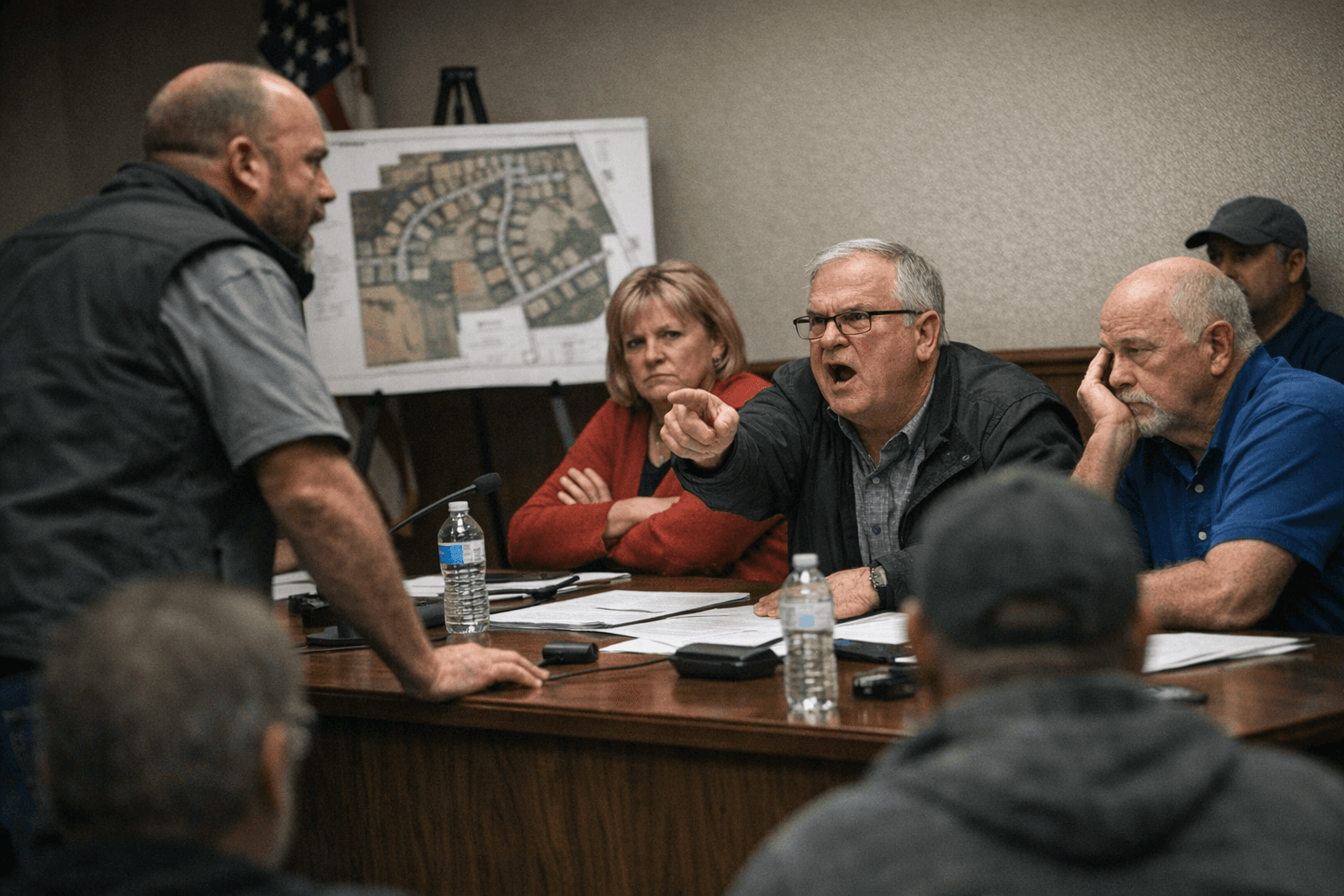
Ferdinand Plan Commission Discusses Road Funding, Zoning Modernization, Proposed Cell Tower Site
At its February meeting the Ferdinand Plan Commission reviewed planning issues that affect neighborhoods and the town’s ability to compete for state grants and debated how to treat the unimproved “Wahl lot.”
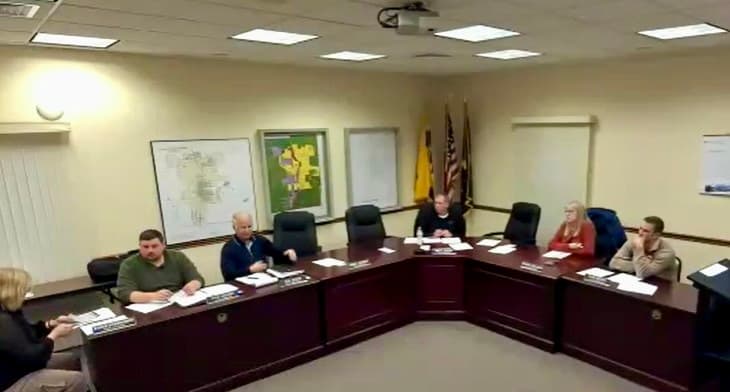
At its February meeting, the Ferdinand Plan Commission reviewed a set of planning and zoning issues that have a direct impact on neighborhoods and on the town’s ability to compete for state grants." That summary from the commission’s meeting packet frames the discussion members held in February, which included a debate over how to treat unimproved platted streets — referred to in the packet as "the commission debated how to treat unimproved platted streets (the so‑called 'Wahl lot'".
The commission serves an advisory role under local code: "The Ferdinand Plan Commission is the body responsible for making planning and zoning recommendations to the legislative body." Commissioners considered that advisory duty alongside material in the municipal plan, which is organized under headings such as "22 FLOURISHING FERDINAND 23 EXISTING CONDITIONS 24 OUR Zoning."
The planning document excerpt establishes the town’s regulatory framework: "Ferdinand has seven unique zoning districts and two overlay districts defined within the Ferdinand Zoning Ordinance." One overlay named in the excerpt is the Flood Plain District; the plan states, "This district is intended to guide development in flood hazard areas identified on the Flood Insurance Rate Map prepared by the Federal Emergency Management Agency, dated August 5, 1985, along with any subsequent amendments or revisions which are [...]" The excerpt is truncated at that point and does not include the full floodplain requirements or any recent map updates.
Policy priorities in the "Flourishing Ferdinand" excerpt are explicit and numbered. The plan lists "1.1.1: High Priority: Favor walkable neighborhood design over suburban or sprawled design." It also lists "1.1.2: Moderate Priority: Update the Ferdinand Zoning Code to include a hybrid of land use-based and form-based approaches to standards" and "1.1.3: Moderate Priority: Update design guidelines for development. (ie. light poles, furniture, architectural style)." Those priorities were referenced during the commission’s February review as the town weighs code modernization against practical concerns such as street maintenance and grant competitiveness.

The plan explains the rationale for a form-based approach: "Form-based focuses on the on the physical characteristics and appearance of buildings and how they relate to each other and the street, rather than the specific land use allowed on a site." The excerpt also lists "Potential Partnerships Ferdinand Plan Commission Ferdinand Redevelopment Commission Framing Ferdinand Dubois County Chamber of Commerce Local Business and Property Owners Private Developers" as stakeholders for implementing code changes and design guidelines.
The meeting packet ties zoning and unimproved streets to infrastructure funding but provides no specific grant names, dollar figures, or vote outcomes; the summary notes only the connection to the town’s ability to compete for state grants. The "Wahl lot" reference is cut off in the supplied materials, so no record of a decision, motion, or public comment is available in the excerpt.
To clarify outcomes and next steps, the town’s meeting minutes, full "Flourishing Ferdinand" plan, the complete Ferdinand Zoning Ordinance, and any staff reports or permit applications for items like a proposed cell tower will be necessary. Those public records would confirm whether the commission forwarded formal recommendations to the town council on unimproved platted streets, road-funding implications, or code updates anchored to the plan’s 1.1.1–1.1.3 priorities.
Know something we missed? Have a correction or additional information?
Submit a Tip